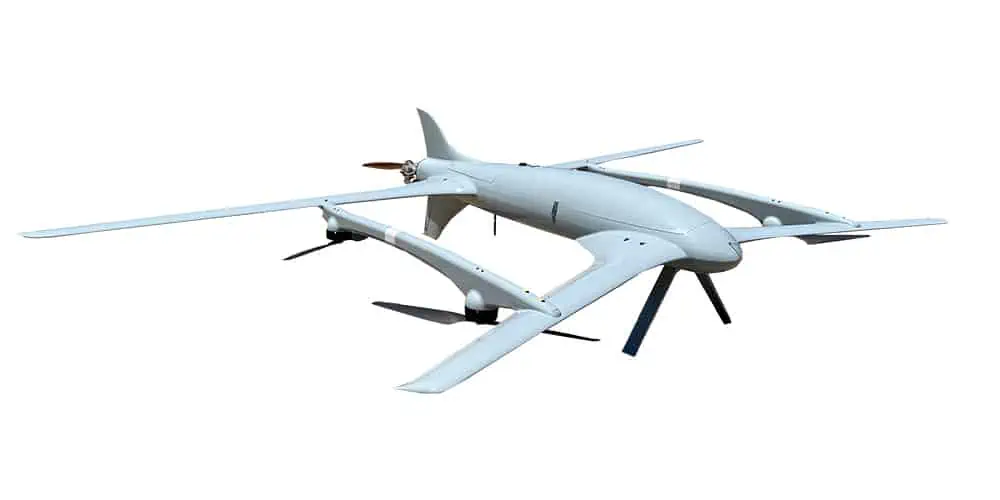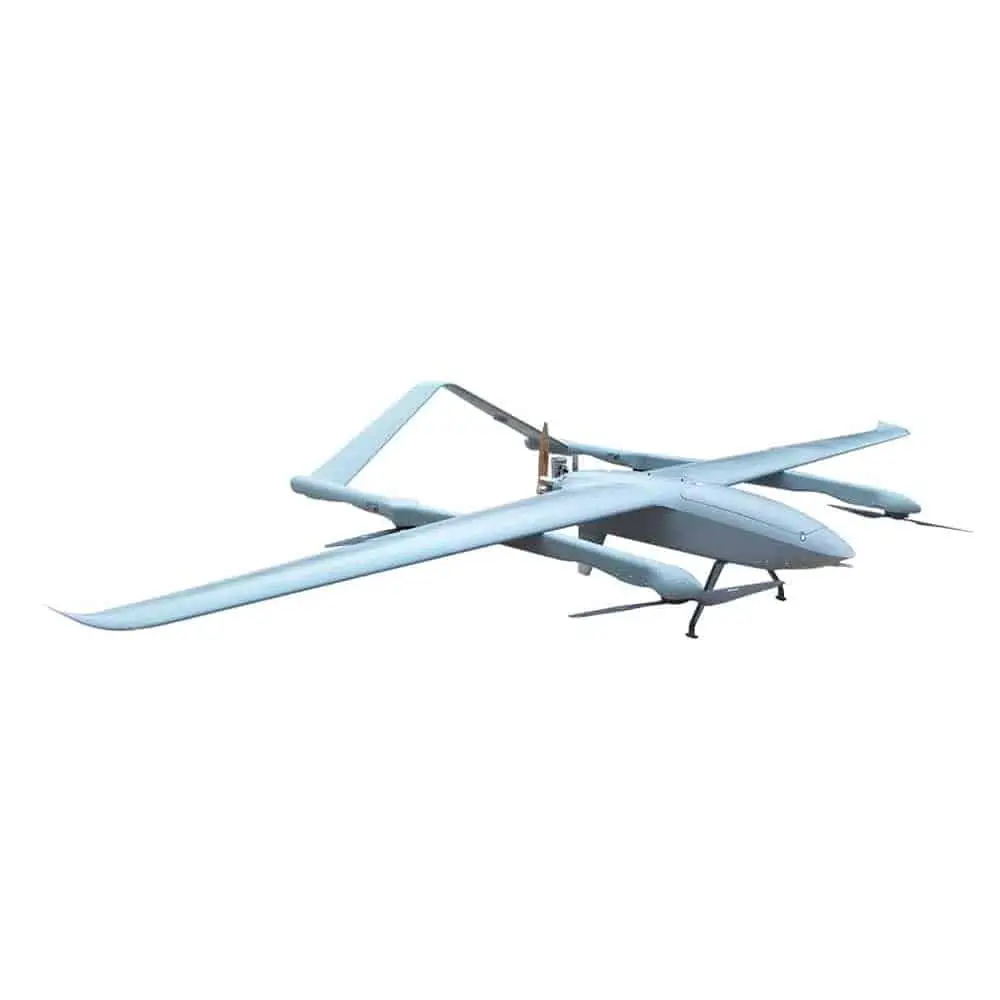



FlyingBasket: Pioneering Heavy-Lift Drone Solutions for Commercial Use
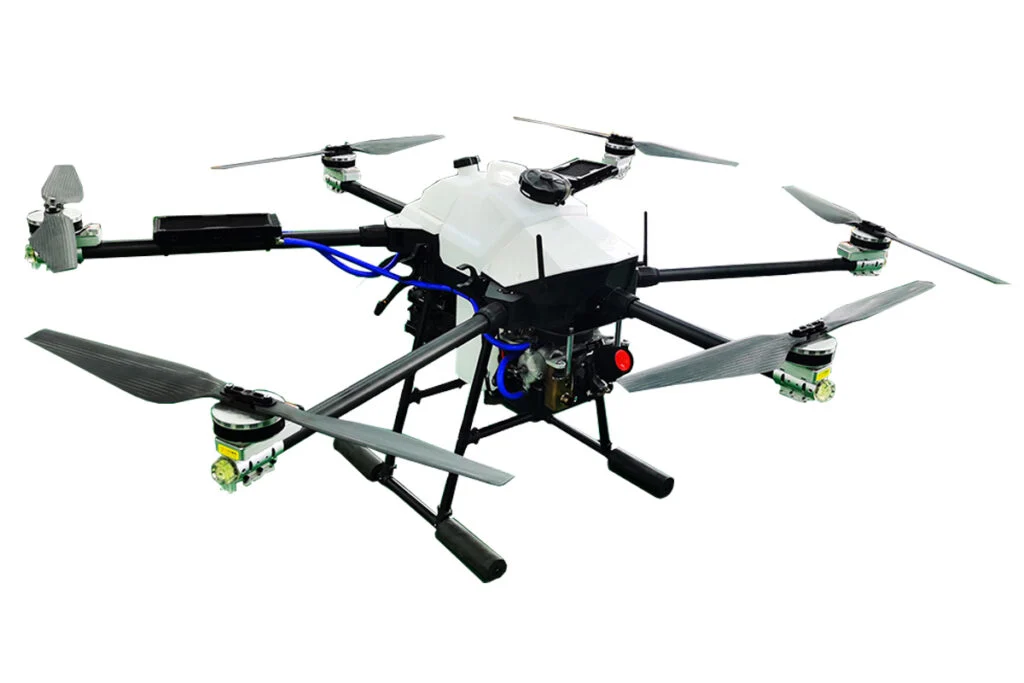
FlyingBasket specializes in the development of heavy-lift cargo drones tailored for both commercial and civil applications. Thier flagship product, the FB3, is designed to offer an impressive payload capacity while maintaining a compact form. this all-electric drone can be transported effortlessly within a van or trailer, allowing for rapid deployment without the need for disassembly.
In an exclusive interview with defencesource.com, FlyingBasket elaborates on the capabilities of their cargo drones, showcasing deployment scenarios and technological advancements that enhance heavy-lift operations.
Industries Leveraging FlyingBasket’s Cargo Drones
Which sectors are currently reaping the benefits of your drone technology, and how do these drones improve their logistics?
Numerous industries that require short to medium-distance deliveries are already utilizing our cargo drones. A prime example is the energy sector, where our drones facilitate deliveries to wind turbines. they transport tools, spare parts, and even considerable components to remote locations, such as wind farms or power lines, effectively replacing the need for expensive helicopters or cranes that contribute to carbon emissions. Our drones provide a viable aerial alternative to customary lifting methods, enabling deliveries to hard-to-reach areas, from mountain lodges to urban rooftops.Essentially, any logistics or lifting challenge that can benefit from drones will see improvements in speed, safety, or both. By alleviating logistical constraints, we enhance aerial lifting efficiency, allowing industries to prioritize efficiency, sustainability, and innovation.
Navigating Complex Environments with Precision
How do your drones operate in challenging environments like mountains, cities, or offshore areas?
our drones are engineered to operate in diverse environments, each presenting unique challenges. Through extensive field experience, we have made iterative improvements to ensure our customers can maximize the benefits of our solutions. As a notable example, our drones can function in extreme cold or hot desert conditions and can ascend to high altitudes, making them suitable for mountainous terrains. Urban environments pose additional complexities, necessitating enhanced safety measures, but they also offer reliable reception for drone operations.
Seamless Integration with Existing Logistics Systems
How do your drones fit into current logistics and supply chain frameworks, and what advantages do they offer over traditional transport methods?
Implementing drones does not necessitate the construction of new infrastructure, making them a versatile option that can launch from a vehicle due to their favorable size-to-payload ratio. Incorporating drones into existing logistics systems not only modernizes transportation methods but also saves time and costs for users. If you identify a process that could benefit from increased efficiency, it’s time to consider drone integration. For example, in some regions, cable stringing is still performed manually, requiring numerous workers. In contrast, our drone can accomplish the same task with just one technician, considerably reducing risk and increasing productivity—pulling six cables in half a day compared to the traditional method’s two cables per day.
Another notable submission is last-mile logistics, where our drones have successfully connected mainland areas to islands. In collaboration with the Italian Post, our drones facilitated a four-month service delivering letters and packages, replacing the need for ships. While cranes are cumbersome and limited in reach, and helicopters are costly and environmentally unfriendly, our drones effectively fill the gaps where traditional methods fall short.
Real-World Impact of FlyingBasket’s Drones
Can you provide an example where your cargo drones significantly improved logistics efficiency or safety?
A notable instance is the Skylift mission for Ørsted last summer, where our heavy-lift drones transported equipment from vessels to the tops of wind turbines in the North sea. skylift successfully delivered cargo boxes weighing up to 85 kg each to 94 wind turbines,totaling 5,460 kg transported in just 10 days. This operation demonstrated that drone logistics can be executed 10 to 15 times faster than traditional methods. We take immense pride in such missions, where innovative thinkers embrace new technologies, resulting in transformative outcomes.
Future Innovations in Heavy-Lift Drone technology
What technological advancements do you foresee as essential for the future of heavy-lift drone operations?
The drone manufacturing landscape is diverse, with each company addressing specific needs. However, a common requirement is the development of a regulatory framework that evolves alongside technological advancements to ensure safe operations. We believe that improvements in battery technology, particularly in terms of capacity-to-weight ratios, are crucial. Our partner, Molicel, is consistently innovating to produce more efficient battery cells with each iteration. As manufacturers, we must be prepared for the challenging applications our customers present, and we hope that the global supply chain will foster an habitat conducive to innovation.
To learn more about FlyingBasket and their cargo drone solutions, visit their website.