

Innovative Conductivity Cell by D-2 Inc. enhances Oceanographic Research
D-2 Inc. has successfully engineered and tested a groundbreaking version of its flow-through closed field conductivity cell, in collaboration with the Woods Hole Oceanographic Institution (WHOI) and the Bermuda Institute of Ocean Sciences (BIOS).
Enhanced Design for Superior Accuracy
The latest iteration of this conductivity cell boasts remarkable improvements in measurement accuracy during preliminary evaluations. This design features a streamlined, unobstructed glass tube that facilitates a direct flow of water, establishing a truly closed field system.
Technical Specifications and Functionality
As illustrated in the accompanying images, the D-2 Conductivity Cell is constructed as a straight glass tube equipped with annular electrodes. This configuration allows the electrodes to form a closed electrical circuit, enabling the inductive cell to accurately measure conductivity and salinity levels.
This innovative design ensures that water flows seamlessly through the cell,eliminating potential blockages from ice or debris,as evidenced by the clear glass tube. The droplets visible inside the cell indicate that it was calibrated just prior to the photo being taken.
Revolutionizing Oceanographic Measurements
Initial tests of this redesigned cell have demonstrated enhanced precision and improved water flow. This advancement is set to transform the industry by combining the accuracy of a closed field cell with the advantages of an inductive, free-flowing design.
Integration and Versatility
Users can easily incorporate this cell into existing oceanographic platforms, enhancing measurement accuracy while reducing power consumption and the overall size of the sensor. D-2 sensors are notably more compact than traditional closed field conductivity cells and can operate without a pump unless specified for biological or low-flow applications.
Durable Housing for Optimal Protection
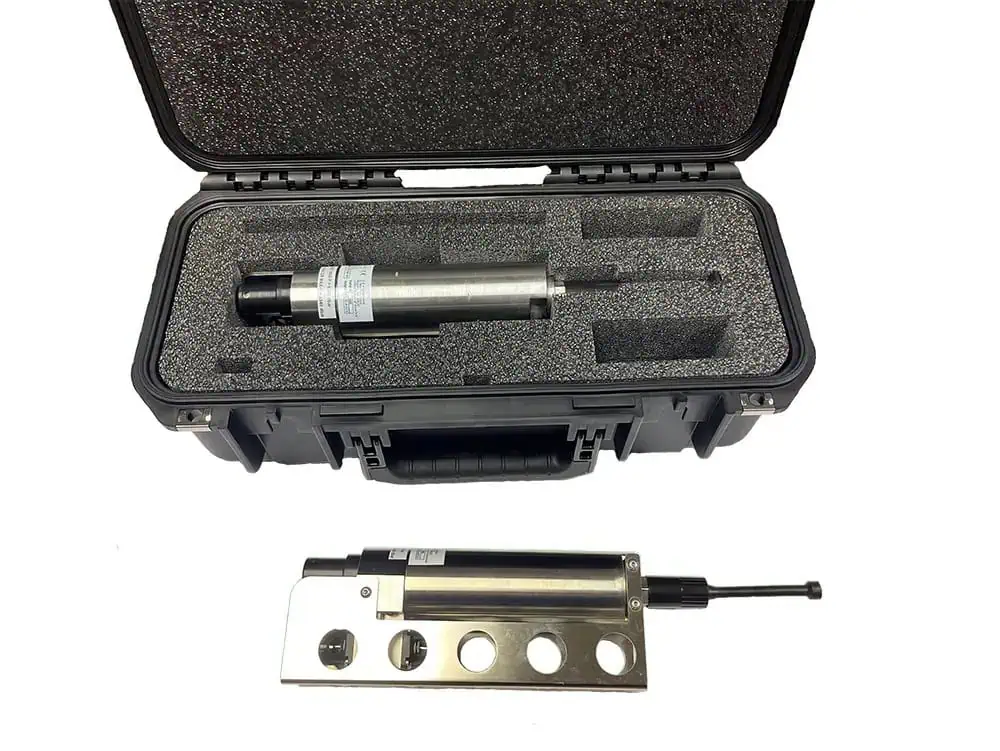
The standard housing for the Conductivity, Temperature, and Depth (CTD) sensor is designed for durability, as shown in the accompanying image. This protective casing is shipped in a robust carrying case to prevent damage during transport or while stored on vessels.
Custom foam inserts secure the unit,ensuring it remains stable during transit. The standard housings for the CTD are available in materials such as Titanium (as depicted), Stainless Steel, or aluminum.
Customization Options for Diverse Applications
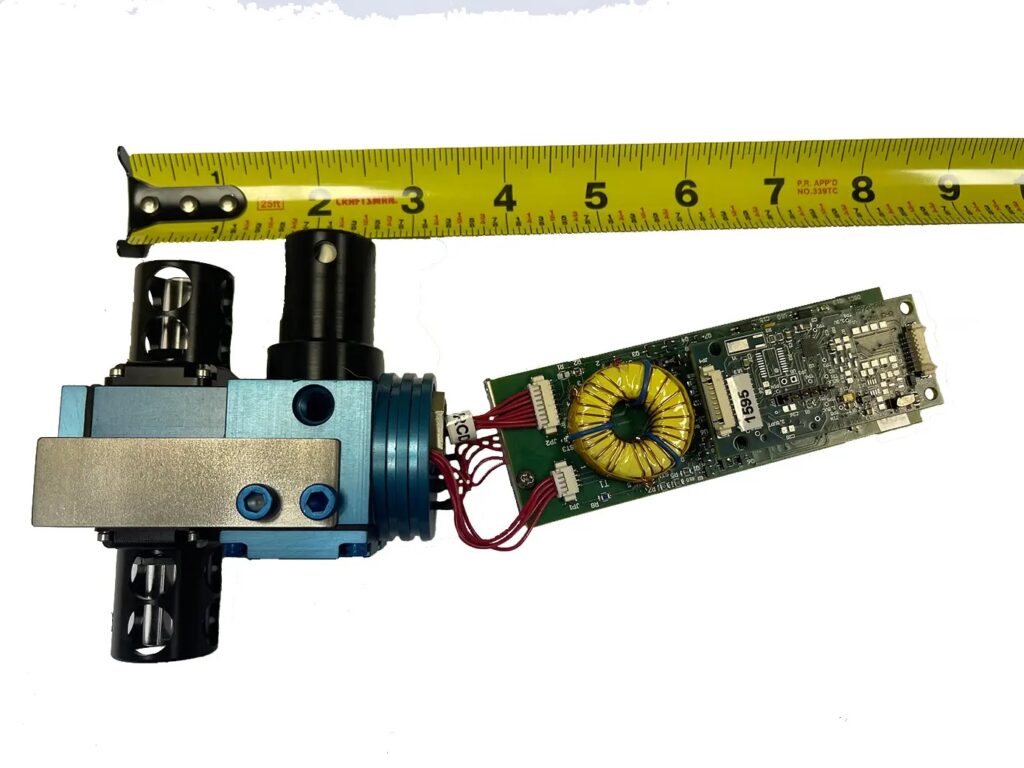
This advanced CTD cell can also be adapted into OEM housings, allowing integration into various existing platforms without the need for the standard housing. For tailored designs or to explore options for specific applications, interested parties are encouraged to reach out to D-2 for consultation.