


Record-Breaking achievements in Hurricane Research
The 2024 Atlantic hurricane season, which concluded on November 30, witnessed unprecedented advancements in tropical cyclone research by NOAA scientists.
These groundbreaking efforts are set to enhance forecasting precision, deepen our understanding of storm dynamics, adn bolster preparedness in communities vulnerable to hurricanes.
NOAA’s commitment to innovation, in collaboration with partners like Black Swift Technologies, is paving the way for a safer future for those affected by severe weather phenomena.
Innovative Data Collection Missions
During the season, NOAA’s Atlantic Oceanographic & Meteorological Laboratory (AOML) and the Aircraft Operations Center (AOC) executed 67 operational and research missions using the NOAA Hurricane Hunter aircraft, engaging with eight distinct tropical cyclones.
The missions commenced in June with the rapid intensification of Category 5 Hurricane Beryl in the Caribbean and extended into November as Hurricane Rafael approached Cuba and the Gulf.
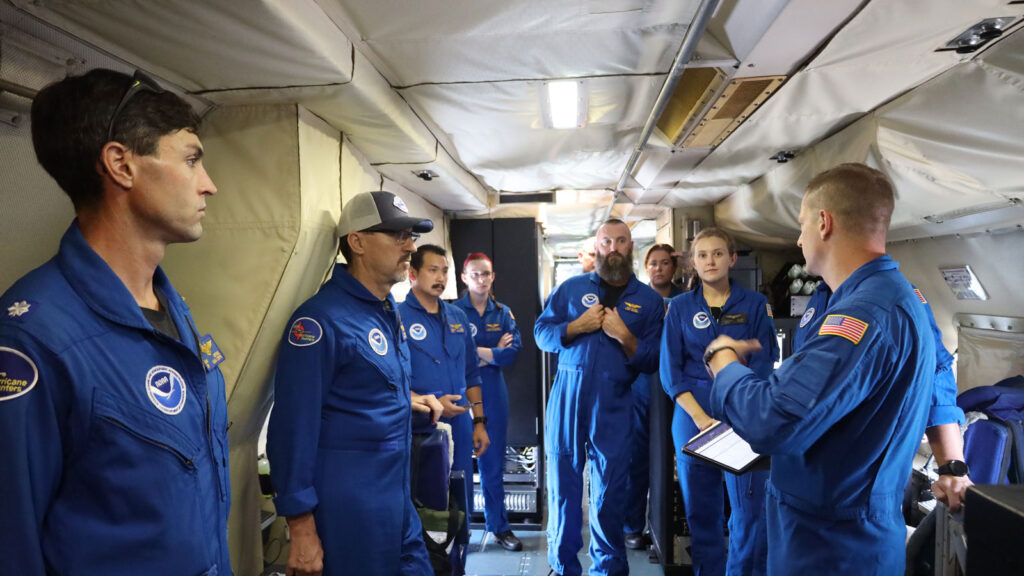
AOML scientists collaborated with NOAA pilots to collect vital data from within the storms.the Hurricane Hunters utilized both the P-3 orion and the high-altitude Gulfstream G-IV aircraft to gather observations from above and inside the cyclones.
Over the course of 67 flights, researchers deployed 1,411 GPS Dropsondes, 70 Airborne eXpendable BathyThermographs, and conducted 190 Tail Doppler Radar analyses. These tools were essential for collecting data from hard-to-reach areas within the storms, considerably enhancing future forecasting capabilities.
Uncrewed Aircraft Systems: A New Frontier
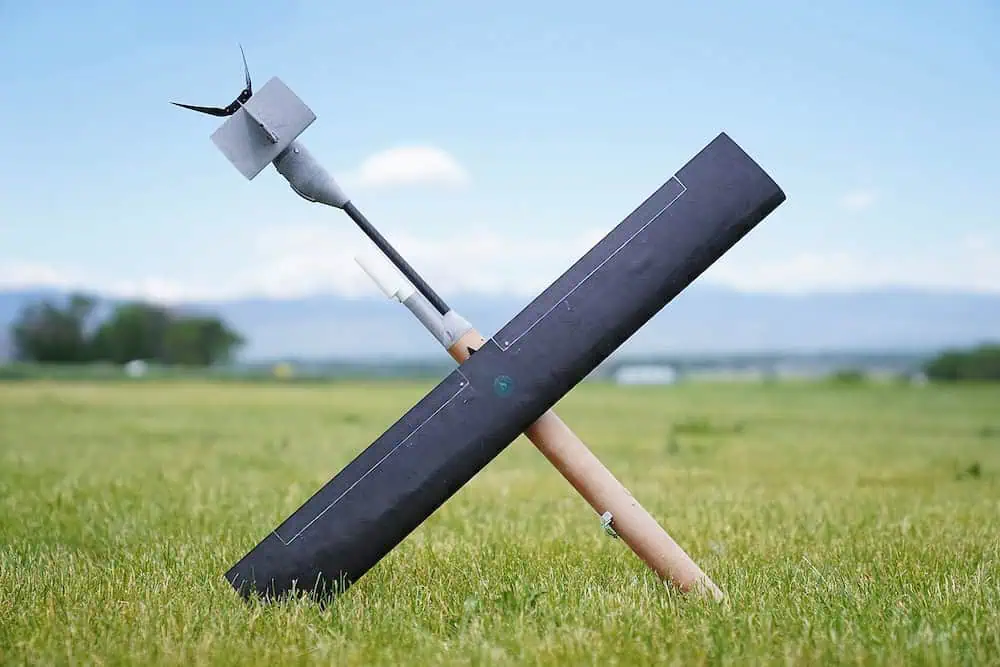
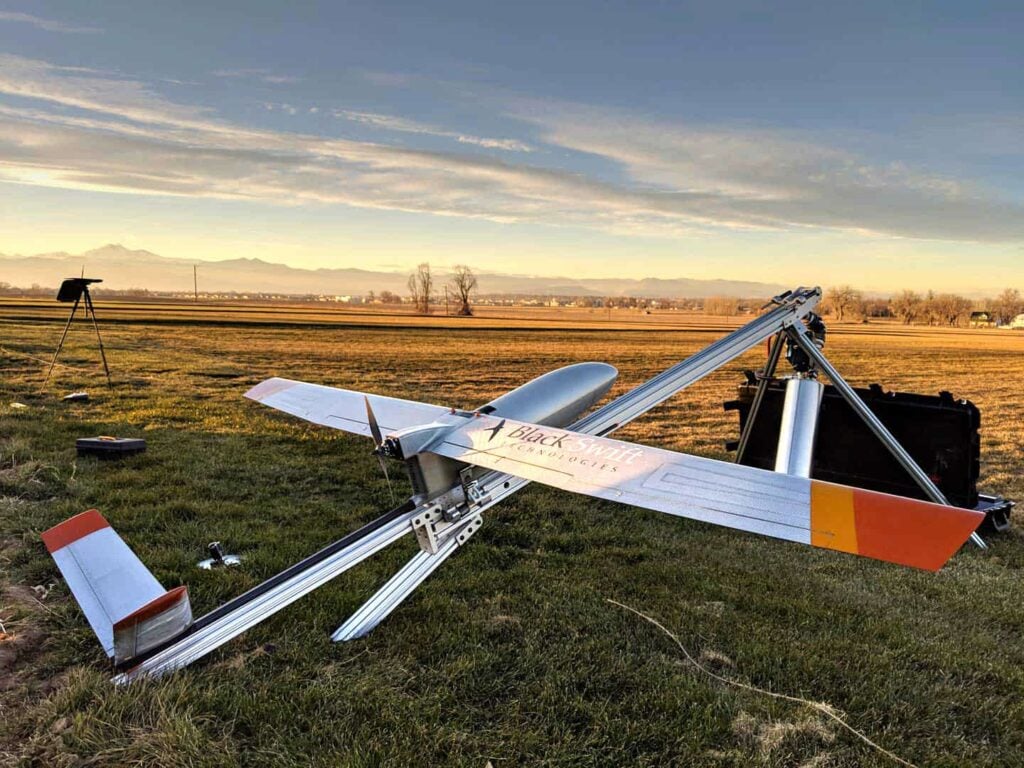
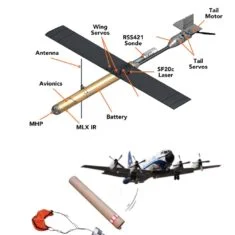
AOML researchers consistently set new records in hurricane data collection during the 2024 season. In partnership with Black Swift Technologies, AOML successfully launched 17 S0 small uncrewed aircraft systems (sUAS) into four hurricanes, achieving milestones in endurance, interaction range, and maximum wind speed data collection.
For instance, within Hurricane Helene, the Black Swift S0 operated for 105 minutes and achieved a communication range of 166 nautical miles—an impressive leap from the previous record of just 10 nautical miles set a decade ago.
While flying through Category 3 hurricane Milton, the drone recorded maximum wind speeds of 209 knots at an altitude of 500 meters, capturing data that would be impossible for crewed aircraft to obtain.
The insights gained from uncrewed aircraft systems like the S0 enable scientists to access previously unreachable areas of storms, leading to significant advancements in hurricane forecasting methodologies.
Collaborative Research Efforts
Research missions were conducted in collaboration with NOAA’s Office of Marine and Aviation Operations (OMAO), while operational missions were coordinated with NOAA’s National Hurricane Center and the Environmental Modeling Center to gather critical data for improving storm track and intensity forecasts.

Along with atmospheric data collection, AOML and its partners deployed instruments to gather information from deep ocean layers. Throughout the season, six underwater glider missions were conducted in the tropical Atlantic, collecting temperature and salinity data down to 900 meters.
These missions yielded around 6,000 temperature and salinity profiles over more than 500 glider-days, including data from a glider positioned within 50 nautical miles of Hurricane Ernesto. This glider data is crucial for understanding the ocean’s influence on hurricanes and enhancing knowledge of ocean-atmosphere interactions.
NOAA also collaborated with Saildrone,Inc. to deploy 12 uncrewed surface vehicles that collected data from the air-sea interface. Over thier operational period, the saildrones traveled more than 32,000 miles and gathered 768 days of observations.
During their missions, Saildrone intercepted hurricanes 16 times, accumulating 102 hours in tropical storm-force winds, providing near-real-time data on pressure, wind speed, and temperature.Notably, Saildrone recorded a maximum 3-second wind gust of 114 mph and significant wave heights reaching 44 feet.
This season marked the highest number of hurricane intercepts for saildrone, with six occurring in the Gulf of Mexico. These observations enhance our understanding of the boundary layer where ocean and atmosphere interact, which is vital for storm formation and intensification.
Advancements in Hurricane Observation Technology
Throughout the 2024 season, researchers had the opportunity to test the latest hurricane observation instrument: the Skyfora StreamSonde. These innovative devices are the lightest available and allow for the simultaneous release of up to 50 individual sondes within a minute, creating a dense array of measurements in a concentrated area.
A total of 91 StreamSondes were deployed during the season, allowing researchers to refine the new “swarm system.” By exploring emerging technologies like StreamSondes, AOML aims to lead advancements that will transform hurricane research, ensuring more accurate forecasts and a deeper understanding of storm dynamics.
Enhancing Forecasting Models
This season, AOML’s hurricane researchers concentrated on assessing the accuracy of their latest forecasting model, the Hurricane Analysis and Forecast System (HAFS).
HAFS enabled NOAA forecasters to effectively predict Hurricane Milton’s rapid intensification,providing a four-day warning before the major hurricane made landfall in Florida.

HAFS also accurately tracked Milton’s structural changes,from its compact form during rapid intensification to its broader,asymmetric shape as it neared Florida. Continuous data from Hurricane Hunter missions, collected by OAR scientists on NOAA’s P-3 and G-IV aircraft, were integrated into HAFS, leading to improved forecasting outcomes.
Initial findings suggest that the operational HAFS system performed optimally after three days. To support the Hurricane Forecast Improvement Program (HFIP), AOML also tested an advanced experimental version of HAFS, known as Multi-storm HAFS, in near real-time during the hurricane season.
This experimental model demonstrated approximately a 10% enhancement in track forecasts and over a 20% improvement in intensity predictions compared to the operational HAFS, underscoring its potential for significant advancements in future operational implementations.
Commitment to Advancing Hurricane Research
The dedicated scientists, flight crews, and support staff involved in the 2024 Hurricane Field Program invested countless hours to gather data that will enhance our understanding of storms and improve forecasting, all with the ultimate aim of safeguarding lives and property.
For more details, read the original article on the NOAA website.