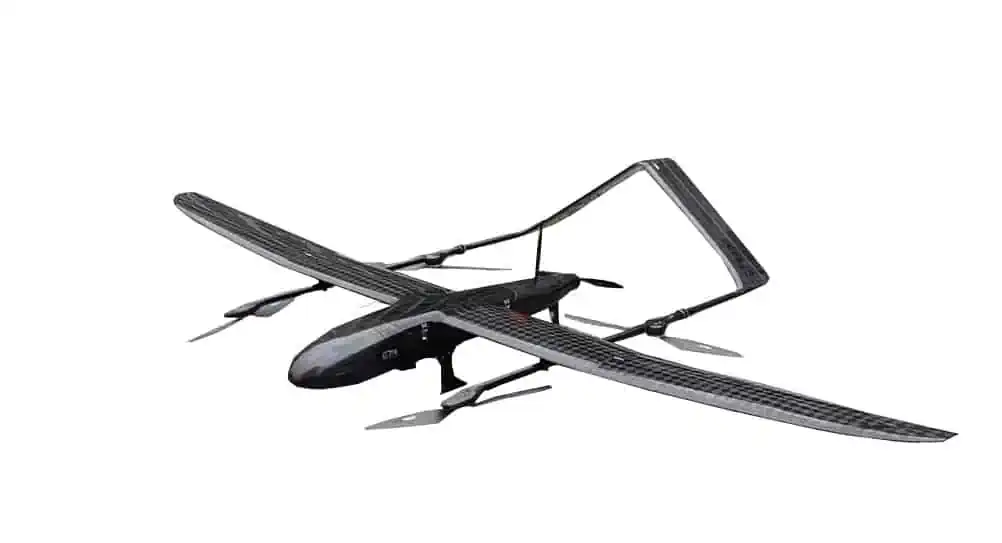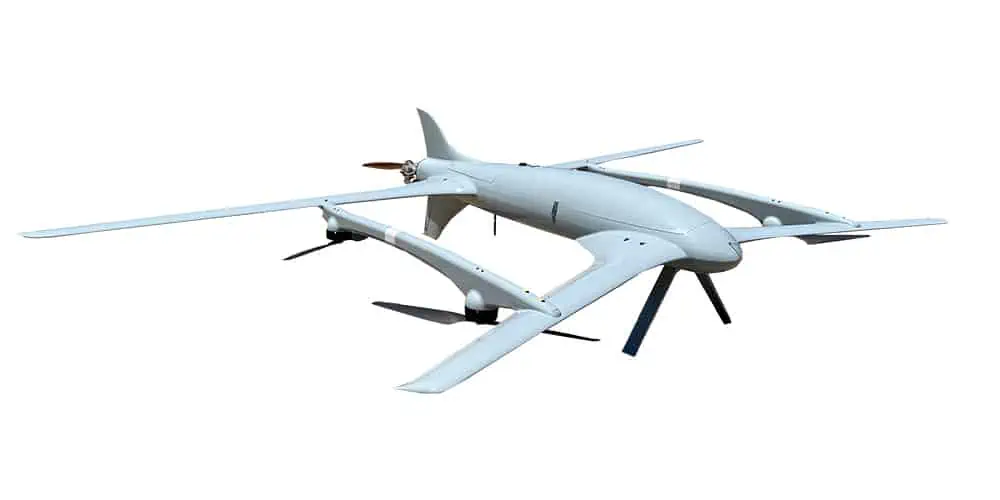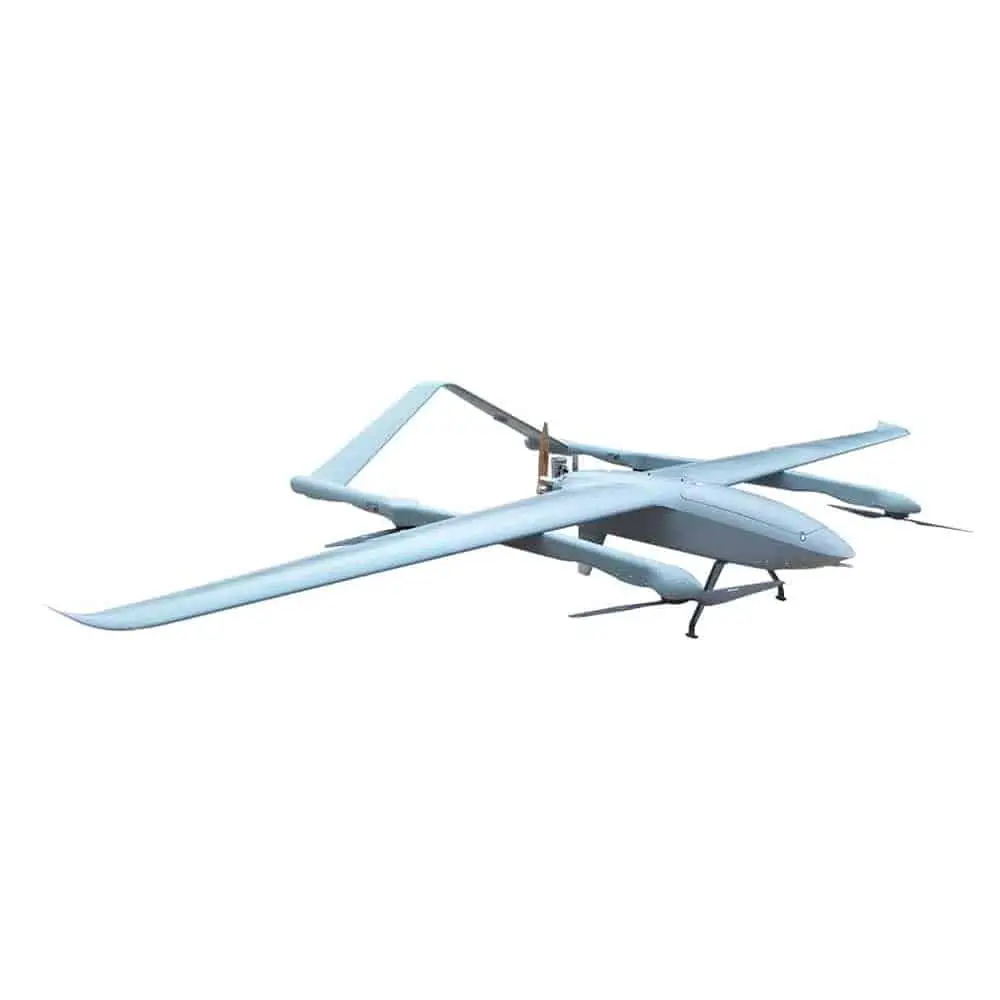


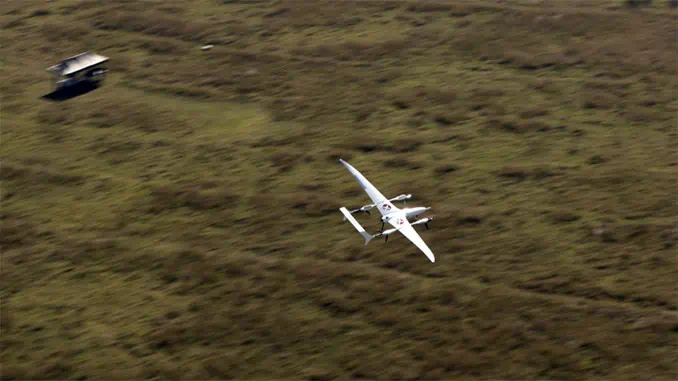
Carbonix advanced VTOL Unmanned Aircraft conducting industrial inspections in Australia
Innovative Partnership for Hydrogen-Electric UAS Development
H3 Dynamics has joined forces with Carbonix to initiate the creation and manufacturing of australia’s inaugural hydrogen-electric Vertical Take-Off and Landing (eVTOL) Unmanned Aerial System (UAS).
Advancements in Hydrogen UAV Technology
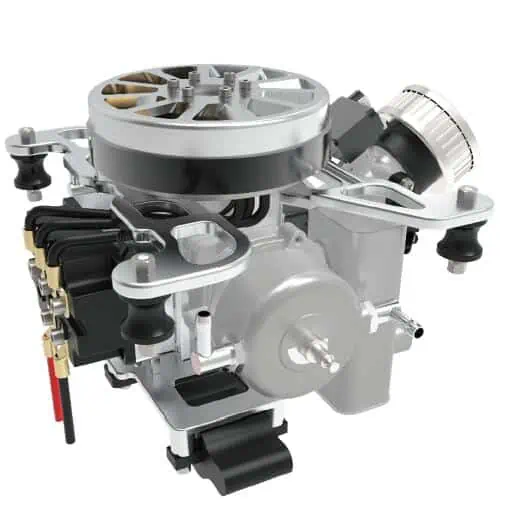
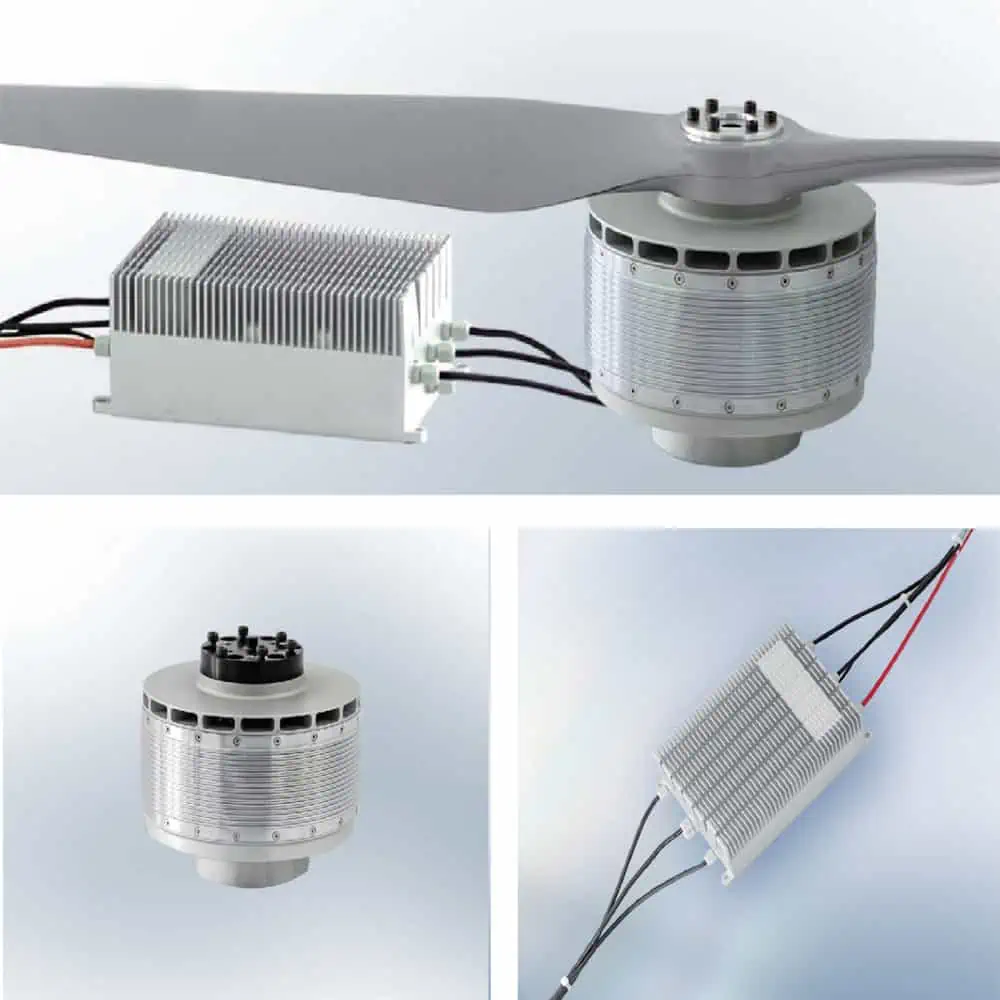
With over 15 years of experience in pioneering hydrogen UAV technology, H3 Dynamics has unveiled a groundbreaking hydrogen-electric nacelle system. Simultaneously occurring, Carbonix brings its specialized knowledge in advanced composite materials, aerostructure design, and sophisticated control systems tailored for VTOL operations.
Enhanced Flight Durations with Hydrogen
H3 Dynamics asserts that hydrogen-electric systems can substantially extend flight times compared to traditional battery systems. This capability is especially beneficial for Australia, given its vast land area, sparse population, and established experience in Beyond Visual Line of Sight (BVLOS) commercial drone operations.
Applications in Mining and Inspections
The integration of hydrogen technology will bolster Carbonix’s existing long-range inspection services and mapping efforts in the mining sector, which currently depend on costly helicopters or light aircraft for extensive land coverage.
Aligning with National Hydrogen Initiatives
This partnership is in sync with Australia’s broader hydrogen and decarbonization strategies, particularly in key sectors like mining and logistics. Existing aircraft and drones powered by batteries or combustion engines could transition to utilizing locally-sourced hydrogen,enhancing the operational success of major Australian enterprises.
Accelerating Integration and Training
H3 Dynamics is set to swiftly incorporate its hydrogen systems into Carbonix’s fleet of small unmanned VTOL aircraft, facilitating training and expediting field experience. The patented distributed hydrogen-electric propulsion technology from H3 Dynamics optimizes fuselage space, allowing for larger sensors or increased cargo capacity for autonomous deliveries over long distances.
Commitment to Sustainable Aerial Solutions
“our goal is to develop intelligent long-range aerial systems that provide reliable access to critical remote data while being environmentally conscious,” stated Philip Van der Burg, CEO of Carbonix. “Collaborating with H3 Dynamics will enable us to complete the hydrogen value chain for various rapidly expanding UAV sectors, and we aim to achieve this efficiently right here in Australia.”
Next-Generation H2-VTOL UAV Capabilities
Carbonix’s upcoming H2-VTOL UAV will leverage H3 Dynamics’ innovative hydrogen-electric nacelle technology, freeing up fuselage space for aerial deliveries, including medical supplies to remote Australian communities.
Leading the Charge in Commercial Hydrogen Drones
“australia is poised to be the first nation to deploy commercial electric drones powered by hydrogen instead of batteries, enabling extended flight durations to reach remote areas or survey larger land expanses,” remarked Taras Wankewycz, CEO of H3 Dynamics.
Expanding BVLOS Operations
The potential for extended range also facilitates BVLOS operations. Given its extensive landmass and low population density, Australia serves as an ideal testing ground for BVLOS initiatives.
Strategic collaborations for BVLOS Implementation
In September 2022, H3 Dynamics revealed its plans for BVLOS operations in collaboration with Ripper Group, a Carbonix drone operator. This initiative includes deploying fully autonomous drone stations capable of BVLOS operations across various sites, addressing applications from mining to solar farm assessments, wildlife conservation, and emergency response. The introduction of BVLOS drone stations aims to streamline regulatory approvals for advanced hydrogen VTOL drones, such as those being developed by Carbonix.
Vision for the Future of Hydrogen Aviation
“We believe unmanned systems are the foundation for progressively larger hydrogen-powered aircraft, where testing, certification, and regulatory challenges will vary based on the weight of the aircraft,” stated Taras Wankewycz, CEO and co-founder of H3 Dynamics. “Our objective is to incrementally increase the size of hydrogen airframes each year until we can operate passenger-scale aircraft. We aim to advance airborne hydrogen technology within the current uncrewed aviation markets as a crucial first step toward that ultimate goal.”
Collaborative Development with Quickstep
The complete solution will be developed in Australia in close collaboration with Quickstep, the nation’s largest autonomous aerospace composite manufacturer and the producer of Carbonix UAV frames. Quickstep is actively working on intelligent composite hydrogen storage solutions, which may soon be utilized commercially in H3 dynamics’ hydrogen fuel cell nacelles for flight applications.