


Alpha Unmanned Systems Achieves Airworthiness Certification for A900
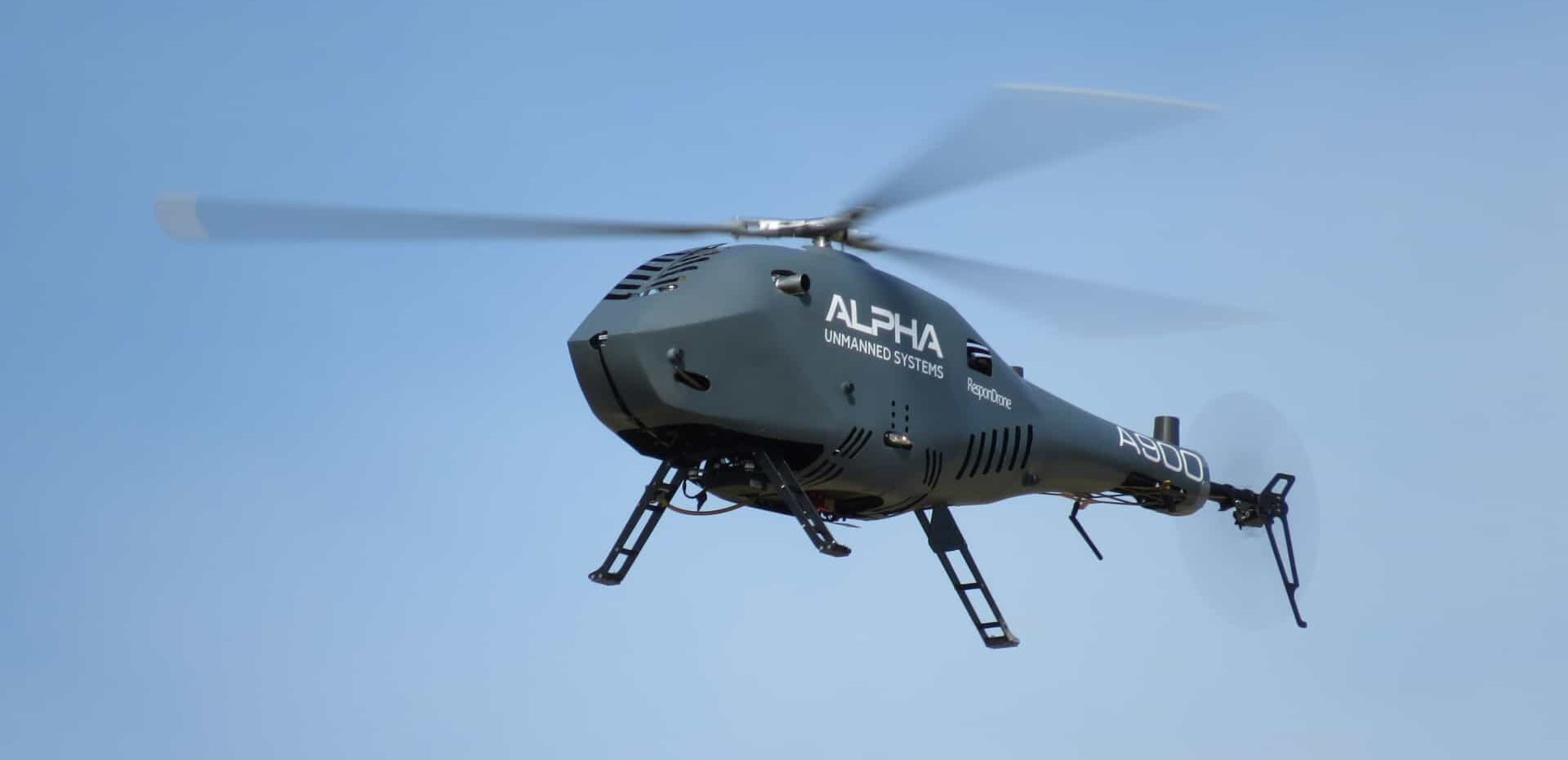
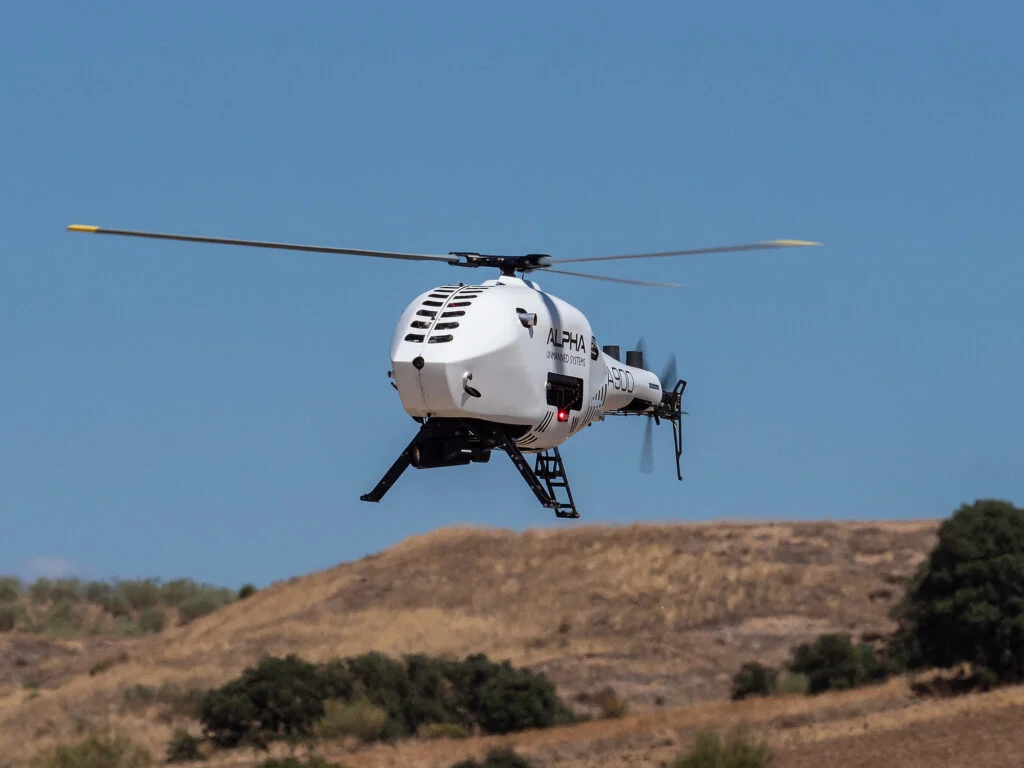
The A900 platform from alpha Unmanned Systems (AUS), recently acquired by the DGAM for the Matacán Schools Group (GRUEMA), has successfully secured its Certificate of Airworthiness for Experimentation (CAE).
Significance of the CAE
This certification, granted by the Deputy Directorate General of Inspection, Regulation, and Defence Industrial Strategy (INREID), permits the A900 to be classified as an operational aircraft within the Armed Forces’ fleet. For AUS, this milestone is crucial as it paves the way toward obtaining a type Certificate, streamlining the process for future A900 systems without the need for additional CAE applications.
Safety and Reliability Assurance
The CAE not only validates the A900 helicopter as a dependable and resilient product but also confirms its compliance wiht the Defense Airworthiness Regulations (RAD), ensuring its safe operation.
Training Capabilities for Military Operators
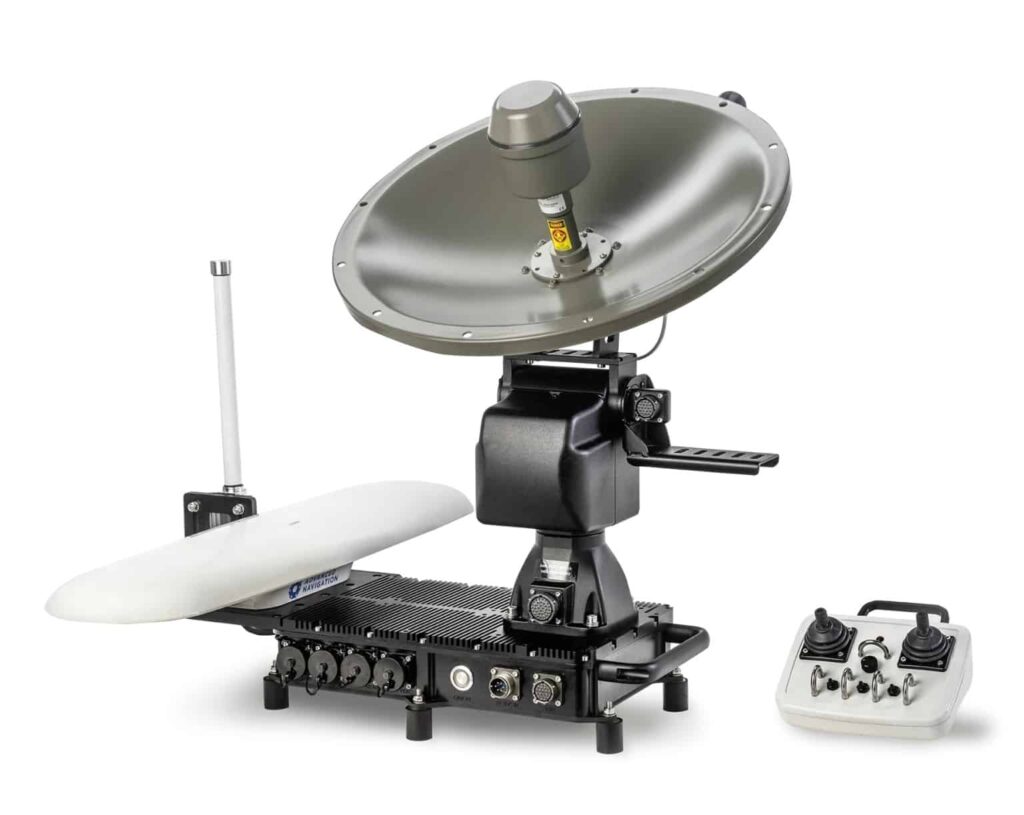
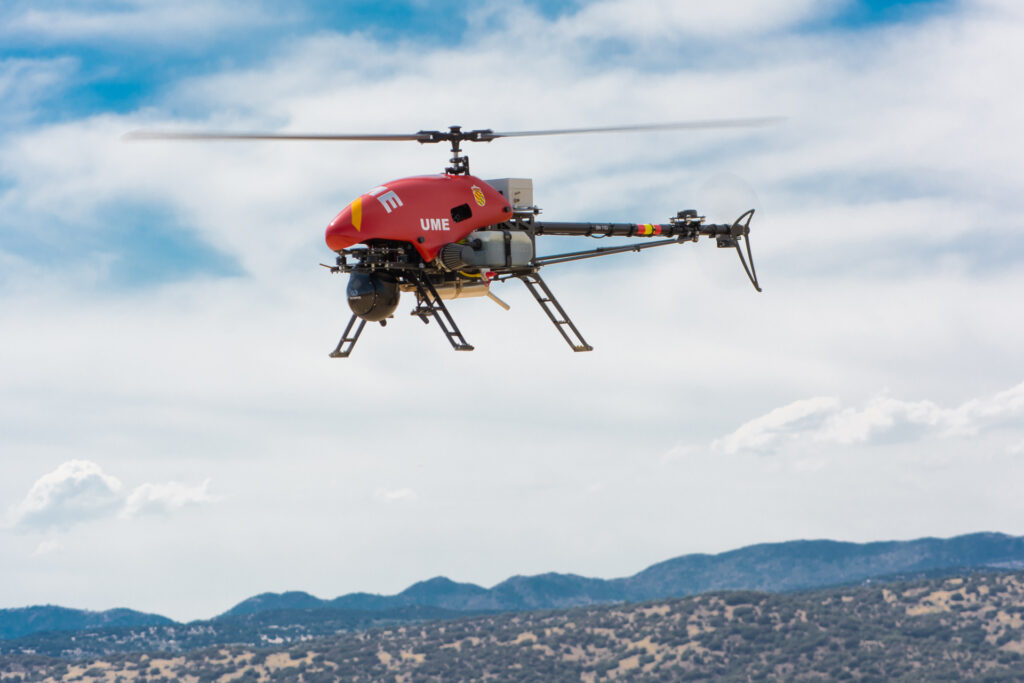
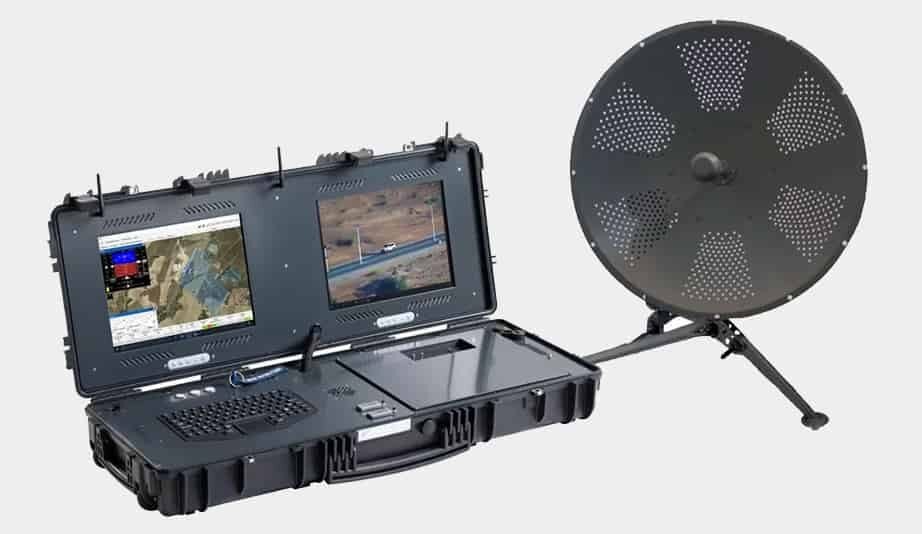
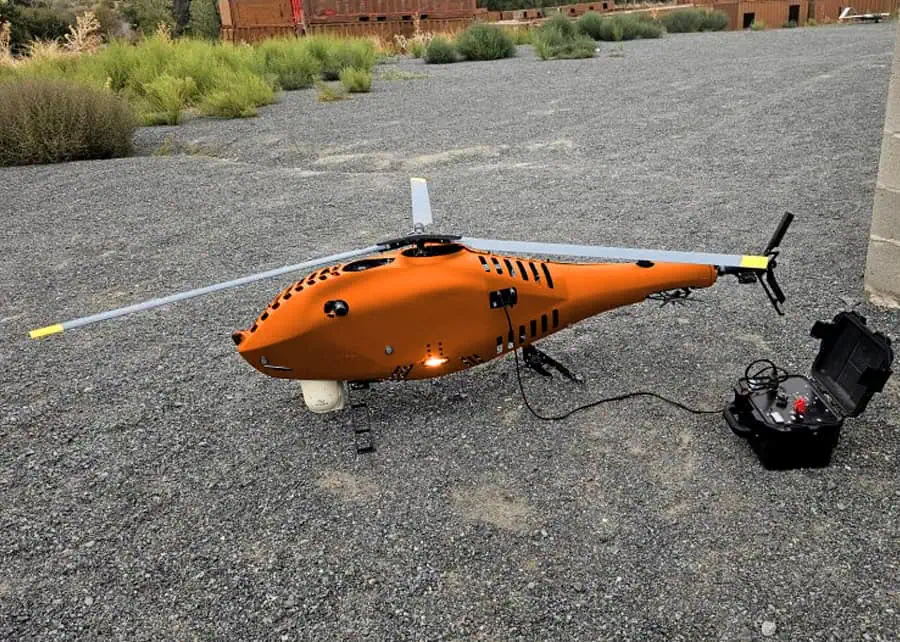
Produced by the Spanish firm Alpha Unmanned Systems, headquartered in San Sebastián de los Reyes, Madrid, the A900 was integrated into the RAPAZ Program. This initiative follows the earlier acquisition of two A800 systems by the UME, aimed at enhancing the Unmanned Aerial Systems Military School (EMUAS) with essential training capabilities in rotary-wing aircraft, which were previously lacking. The A900, along with its control station and redundant data link, will empower EMUAS to train defense operators effectively on this advanced system.
Global Reach and Technological Leadership
With recent international sales agreements, AUS has established itself as a leader in technological innovation, attracting considerable interest from major naval forces. Their systems are currently deployed as operational squadrons or technology demonstrators for various entities, including the Greek Navy, the Indonesian Coast Guard, the Spanish Ministry of Defense, and the U.S. Department of Defense. Domestically, they are also utilized in versatile roles by the INTA and UME.