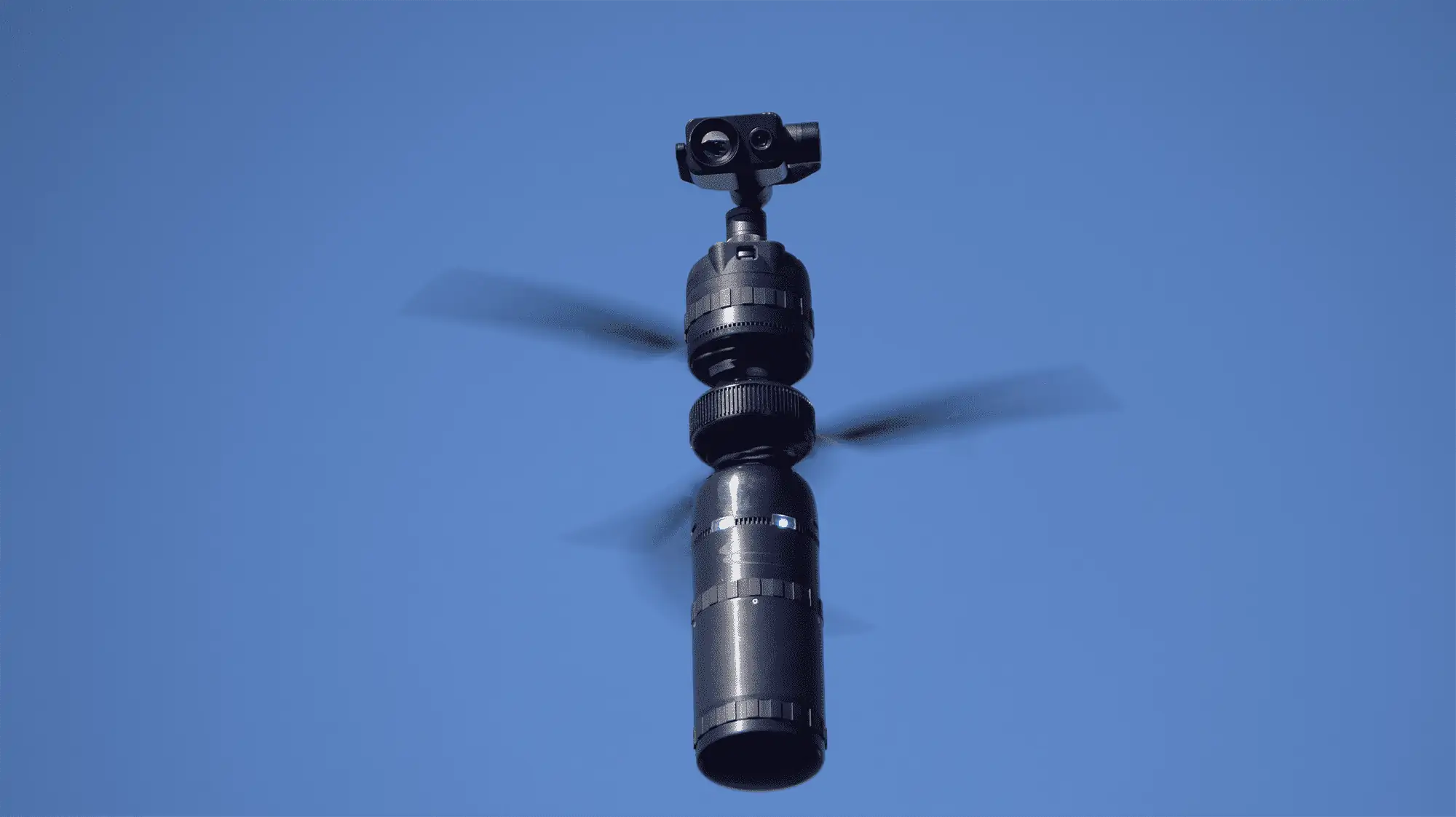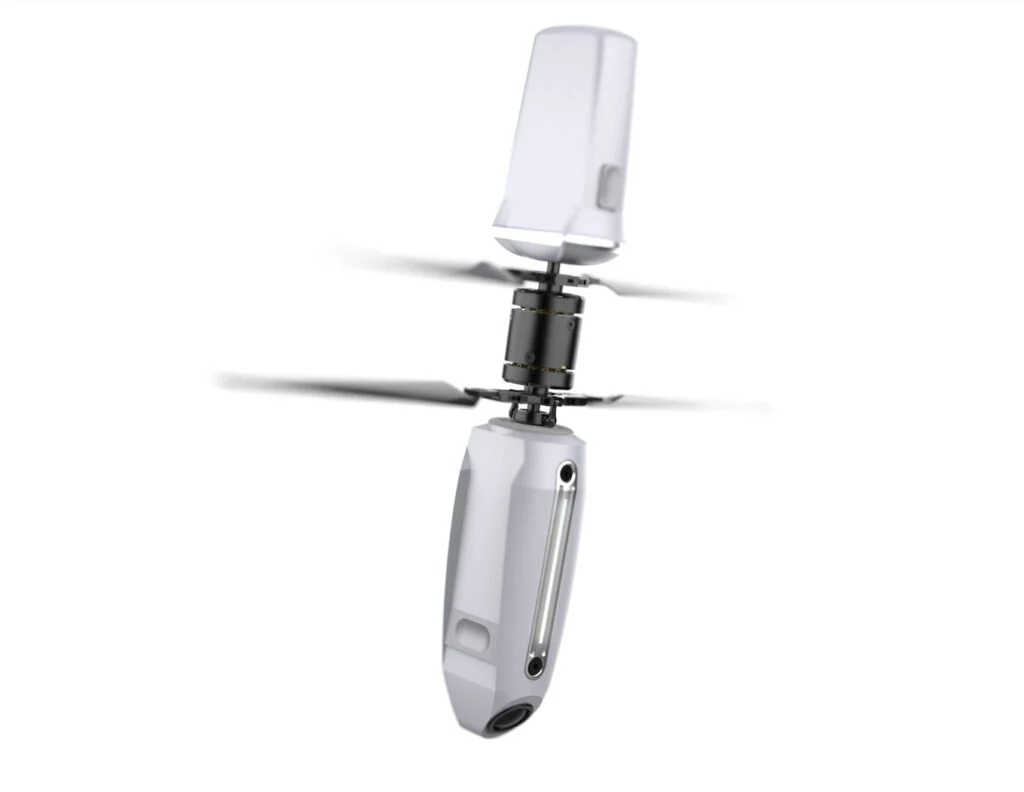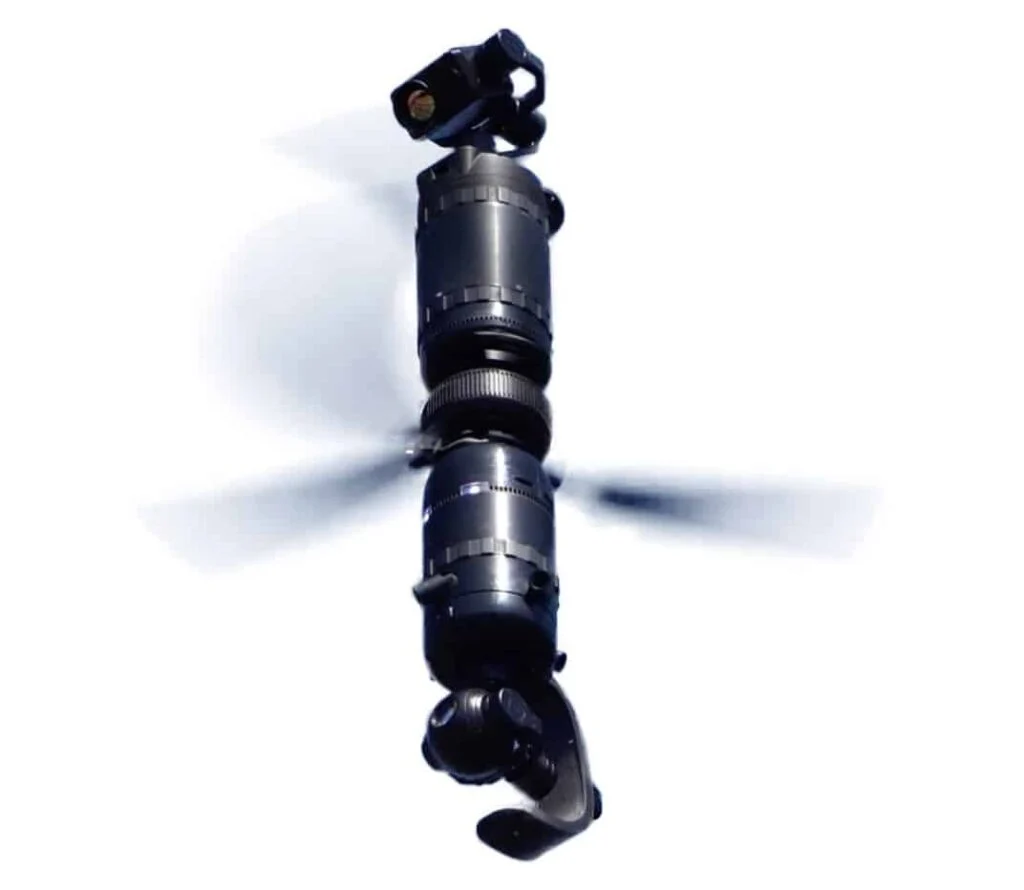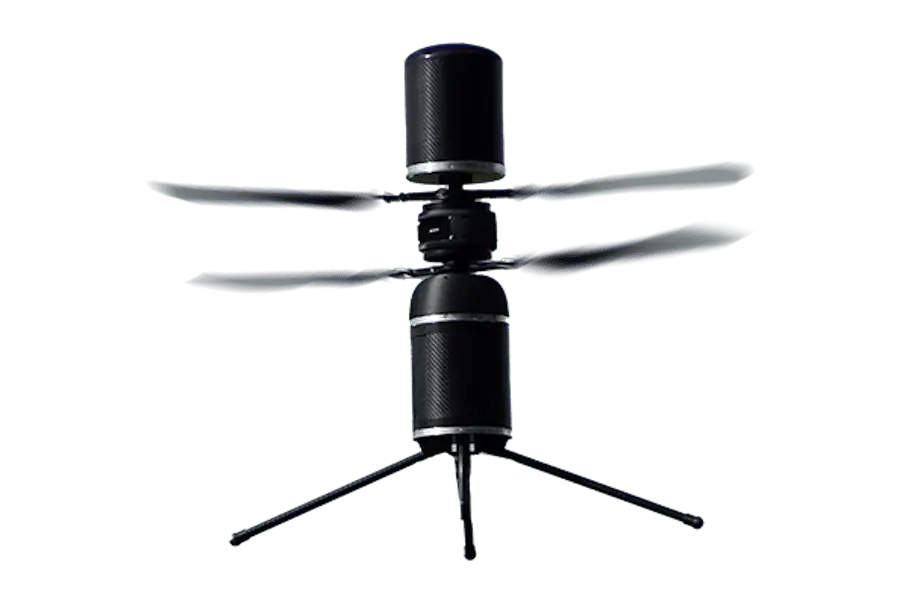


Ascent AeroSystems has introduced ready-to-fly kits for its Spirit and NX30 coaxial UAVs, offering operators immediate deployment options tailored for diverse missions, thereby enhancing operational readiness and adaptability in ever-changing environments.
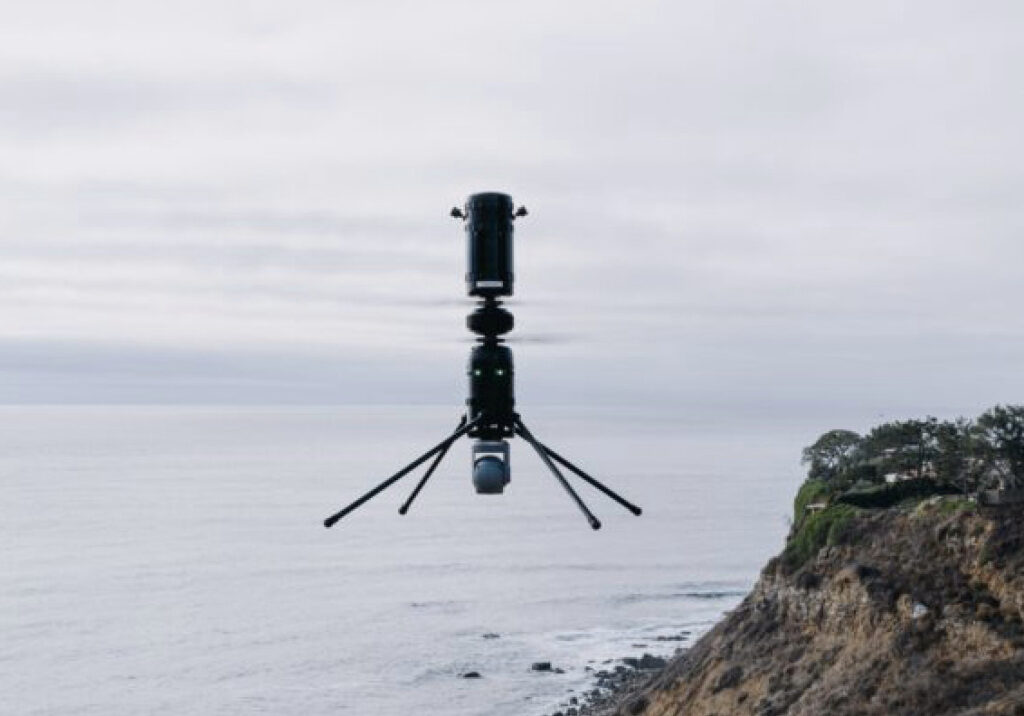
now available in ready-to-fly configurations, the Ascent Spirit and NX30 coaxial UAVs offer integrators and operators a scalable, budget-amiable platform that ensures security and supply chain reliability, effectively replacing foreign systems while providing payload versatility to reduce the risk of technological obsolescence.
Each kit is fully prepared for immediate use and includes:
- UAV airframe: compliant with NDAA standards, crafted from aircraft-grade materials for durability
- Modular Command and Control (C2): featuring the standard Herelink GCS, which is upgradeable
- Batteries and charger: designed for uninterrupted operations
- Two sets of rotor blades: optimized for operational readiness and flight efficiency
- Pelican case: robust, transport-ready protection
Ascent’s modular, NDAA-compliant platforms deliver a cost-effective, ready-to-fly sUAS solution. These compact, all-whether systems can be effortlessly integrated into current aerial operations.
Peter Fuchs, co-founder and president of Ascent AeroSystems, stated, “Our newly launched ready-to-fly kits are crafted with performance, affordability, and future adaptability in mind. Unlike many UAVs on the market,the Spirit and NX30 are intentionally designed for scalability—one platform with nearly limitless operational capabilities. The new Spirit and NX30 Kits provide operators with a robust, ready-to-fly system that can be deployed instantly and easily upgraded as software and sensor technologies evolve or as mission needs change.”
With a modular open system architecture (MOSA), Ascent’s coaxial uavs enable operators to tailor their systems for any mission effortlessly. Beyond the standard kits, customers can enhance their systems by integrating one or more of five advanced sensor payloads or by substituting the standard Herelink command and control (C2) suite with NDAA-compliant UXV Navigator Tab5 add-ons.
The UXV Navigator Tab5, an Android-based extension that is easily expandable and compatible with the existing samsung Galaxy Tab Active5, is available with:
- The Microhard pMDDL2450: ensuring secure and reliable point-to-multipoint applications.
- DoodleLABs SWaP-optimized Mesh Rider® radios: facilitating long-range, high-bandwidth mesh networking.
Whether conducting intelligence, surveillance, and reconnaissance (ISR), search and rescue (SAR), investigations, inspections, or surveying and mapping missions, operators can enhance their operational capabilities and adapt to evolving mission profiles in real-time by upgrading the standard, ready-to-fly Spirit and NX30 kits with additional advanced camera payloads. Available sensor enhancements include:
- Gremsy VIO F1: a lightweight EO/IR camera weighing just 790g, offering 4K zoom, 640×512 thermal imaging, and an integrated 2400m laser range finder with object tracking.
- Sony ILX LR1 w/Gremsy Pixy LR: ideal for inspection,surveying,mapping,and investigation tasks,this industrial camera features a 61MP full-frame image sensor,4K zoom,swappable lenses,and weighs 810g.
- NextVision DragonEye2: a compact, lightweight dual EO/IR stabilized camera with 40x zoom capability and 640×480 thermal imaging, weighing under 170g.
- NextVision NightHawk2-UZ: a sub-400g dual EO/IR camera turret featuring 1280×720 thermal imaging and 40x high-definition zoom.
- NextVision Raptor: a long-range, dual EO/IR stabilized camera with 1280×720 thermal imaging, 80x zoom, and a weight of 625g.
Fuchs added, “The modular and open-systems design of our Spirit and NX30 platforms—combined with the performance benefits inherent in a coaxial propulsion design—distinguishes Ascent in a market where operators have traditionally had to invest in new aircraft to gain new capabilities. Our systems provide UAS operators with access to secure,resilient,American-made platforms that can adapt to operational demands today and in the future.”