SCS Parylenes serve as protective solutions for custom OEM systems and improve the functionality of COTS products that were not initially designed to endure the extreme conditions faced by drones and unmanned systems. Specialty Coating Systems (SCS) provides an overview of the application methods, benefits, and limitations of Parylene and Acrylic conformal coatings, along with the specific applications that can gain from each type.
in the realm of drone and UAV (unmanned aerial vehicle) growth, polymer-based protective solutions are crucial. They offer cutting-edge defense against the challenging environmental and industrial conditions that unmanned aerospace and defense applications often encounter.
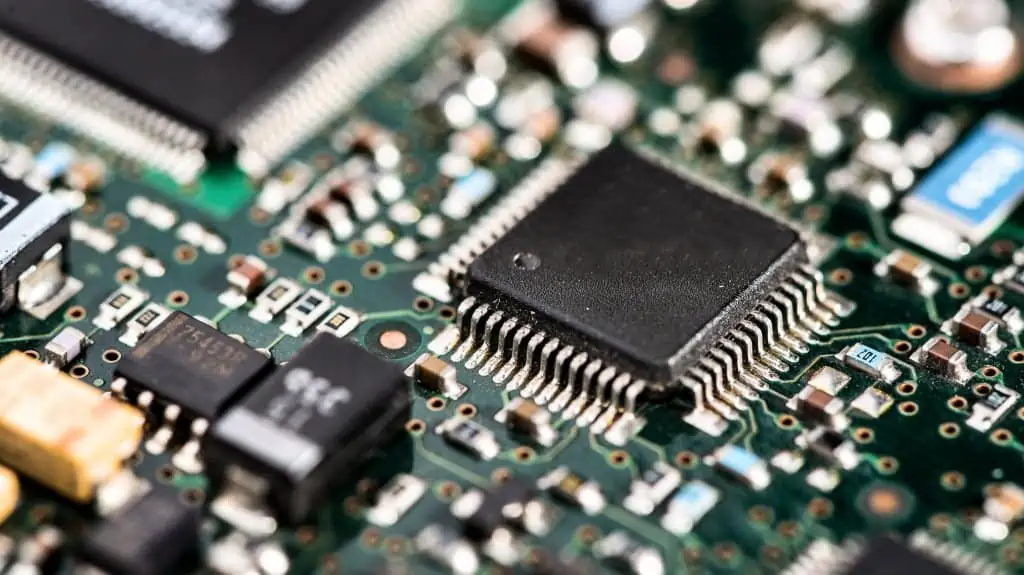
Parylene and acrylic resins are both prominent types of conformal coatings, each possessing distinct properties, applications, and capabilities due to their differing chemical compositions.
Methods of Application
Parylene: The application of Parylene coatings is achieved through a chemical vapor deposition (CVD) technique, which allows for a uniform layer on the substrate. typically, the film thickness ranges from .0005” to .002”, but it can be as thin as .0001” or even less.
Acrylics: Acrylic resins (type AR) are liquid coatings that can be applied using various methods: spraying, dipping, brushing, or robotic application. The choice of method frequently enough depends on factors such as throughput, masking complexity, and the skill level of the operators. Acrylics are generally applied to achieve a dry film thickness between .002” and .005”.
Pros and Cons
Parylenes: These coatings are renowned for their exceptional resistance to moisture, chemicals, acids, bases, and solvents. They also exhibit high dielectric strength and low dielectric constants, making them excellent electrical insulators. Remarkably, these benefits are achieved with a very thin coating, typically measured in microns. Additional advantages include:
- Outstanding thermal stability
- biocompatibility and biostability
- Low friction properties
- High optical transparency
- Helps mitigate tin whisker growth
However, Parylene coatings can be tough to remove for board rework due to their chemical insolubility. Repairing coated circuit boards often requires thermal or mechanical methods, such as laser ablation or micro-abrasion.
Acrylics: Acrylic conformal coatings are effective barriers against moisture and humidity, providing reliable resistance to fungal growth and maintaining their form during curing.Other benefits include:
- easy removal for repairs and rework
- Good dielectric barrier properties
- traceable under ultraviolet (UV) light
- Quick drying time
however, acrylics may not be suitable for high-temperature applications. As a notable example, one of the most widely used acrylic coatings, HumiSeal® 1B31, has a maximum continuous operating temperature of 125ºC.Additionally, acrylic coatings can be removed with milder solvents like isopropyl alcohol or xylene, which may limit their protective capabilities in environments with stronger solvents.
Use Cases
Parylenes: The ultra-thin nature and performance characteristics of Parylene coatings make them ideal for a variety of applications. Their stability across a wide temperature range ensures protection in demanding environments such as transportation, industrial electronics, aerospace, and defense. Furthermore, their inherent biocompatibility often makes them the preferred choice for safeguarding medical devices.
Acrylics: Acrylic coatings are frequently utilized to protect printed circuit boards. Their moisture and fungus resistance make them particularly effective for components that may be exposed to wet conditions. Additionally, acrylics are favored in scenarios where board rework is a common requirement.