

Boosting UAV Performance in Challenging Environments
Ascent AeroSystems has developed cutting-edge unmanned aerial vehicles (UAVs) utilizing innovative coaxial rotor technology, ensuring dependable functionality even in the harshest conditions.
The Impact of Weather on UAV operations
A recent study across 51 cities in the United States revealed an average of 108 rainy days annually. This statistic highlights a significant challenge for UAV operators, as manny drones are not equipped to handle wet conditions, perhaps resulting in a loss of approximately 30% of flight time due to rain alone.
When considering other weather-related obstacles such as high winds and extreme temperatures, it becomes clear that users engaged in critical missions need a UAV that can operate effectively under adverse conditions.
Introducing the Spirit UAV
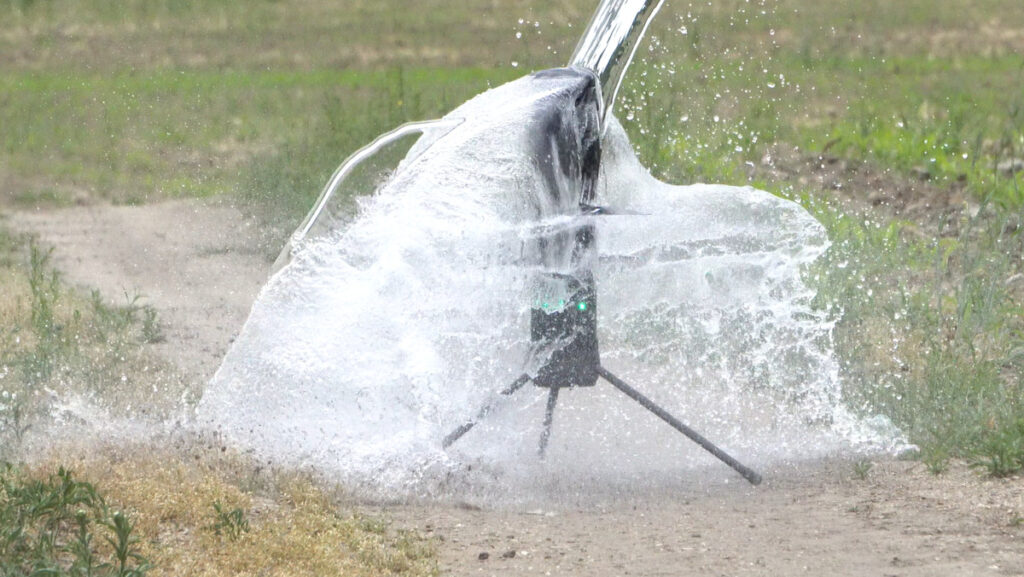
The Spirit UAV from Ascent AeroSystems is a versatile, all-weather drone tailored for military, emergency response, and industrial applications. Its robust design features a high level of ingress protection and weather resistance, making it an ideal choice for essential missions.
Constructed for resilience, the cylindrical airframe enhances protection against environmental contaminants, allowing for reliable performance in various weather scenarios, including heavy rain, sleet, snow, dust, and sand.Furthermore, its aerodynamic design minimizes material usage, resulting in a lighter drone capable of exceeding speeds of 60 mph while maintaining stability in winds that would typically ground other UAVs.
Comparative Analysis: Spirit vs. Conventional UAVs
In contrast to the spirit, conventional uavs are often bulky and fragile, with limited performance and adaptability, making them susceptible to damage in demanding operational environments. larger UAVs in this category tend to be excessively heavy and cumbersome, complicating their deployment in tactical situations.
Challenges with Smaller UAVs
While smaller UAVs are more portable, they often falter in extreme weather, significantly impacting mission readiness. Their limited payload capacity and restricted options for upgrading or integrating new sensors further hinder their effectiveness.
Advancing UAV Technology
Ascent AeroSystems is at the forefront of UAV innovation with the Spirit, ensuring that operators have the necessary tools available precisely when and how they need them.
For more insights, read the original article >>