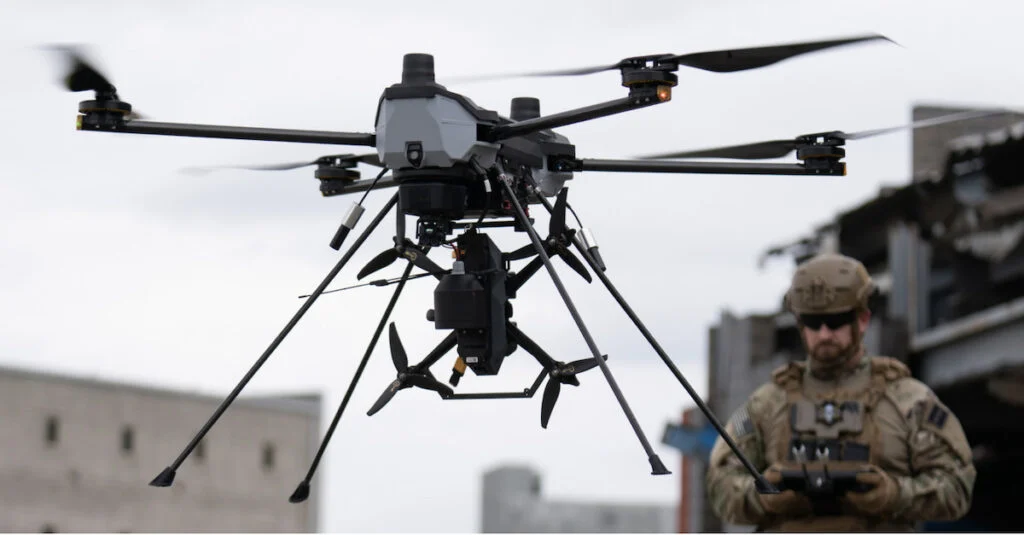



HFE International, a leader in high-reliability fuel injection engines, engages with UST to discuss innovative gasoline and heavy-fuel propulsion solutions tailored for small UAVs, along with exciting technological advancements on the horizon.
CEO Thomas West elaborates on the groundbreaking Genpod® Series, recognized as the first Line Replaceable Unit (LRU) specifically engineered for small UAVs, highlighting its successful integration in platforms like the Sapphire UAS from Spektreworks and the unmanned seaplane developed by Space Entertainment Laboratory.
Challenges Addressed by HFE’s UAV Engines
Thank you for joining us today, Thomas. HFE International’s UAV propulsion systems are utilized globally, including by the U.S. Armed Forces. What specific challenges do your engines tackle that make them ideal for military applications?
The Genpod® Series engines are pioneering as the first LRUs designed for small UAVs, facilitating seamless integration into military supply chains. These engines are versatile, allowing military personnel to detach the Genpod® from one UAV model produced in Europe and attach it to a different aircraft made in the USA by another manufacturer. This modular design streamlines fleet operations, enabling governments or end-users to purchase the LRU directly from HFE International or request maintenance for the standardized unit.
all engines in the range of 5 hp to 15 hp share the same mounting interface.This flexibility allows operators to select a smaller engine for missions prioritizing weight and efficiency, and then switch to a more powerful engine on the same day when higher speeds or increased payload capacity are necessary.
Advantages of AIE Wankel Rotary Engines
As an authorized supplier of Advanced Innovative Engineering (AIE) Wankel rotary engines, could you explain the primary benefits of these propulsion systems for drones and unmanned aerial vehicles?
The AIE rotary engines feature advanced cooling mechanisms that significantly extend their service life compared to other rotary engine options. The SPARCS (Self-Pressuring Air Rotor Cooling System) effectively dissipates heat from the rotor as blow-by gases flow through the crankcase and exit via an external heat exchanger. These compact rotary engines are also ideal for integration with generators in fully electric hybrid aircraft. HFE is currently developing several projects for various generator sizes utilizing AIE rotary engines. For more information, please reach out to HFE.
Real-World Applications of HFE Solutions
Do you have any case studies or examples of your solutions being successfully implemented that you would like to share with our audience?
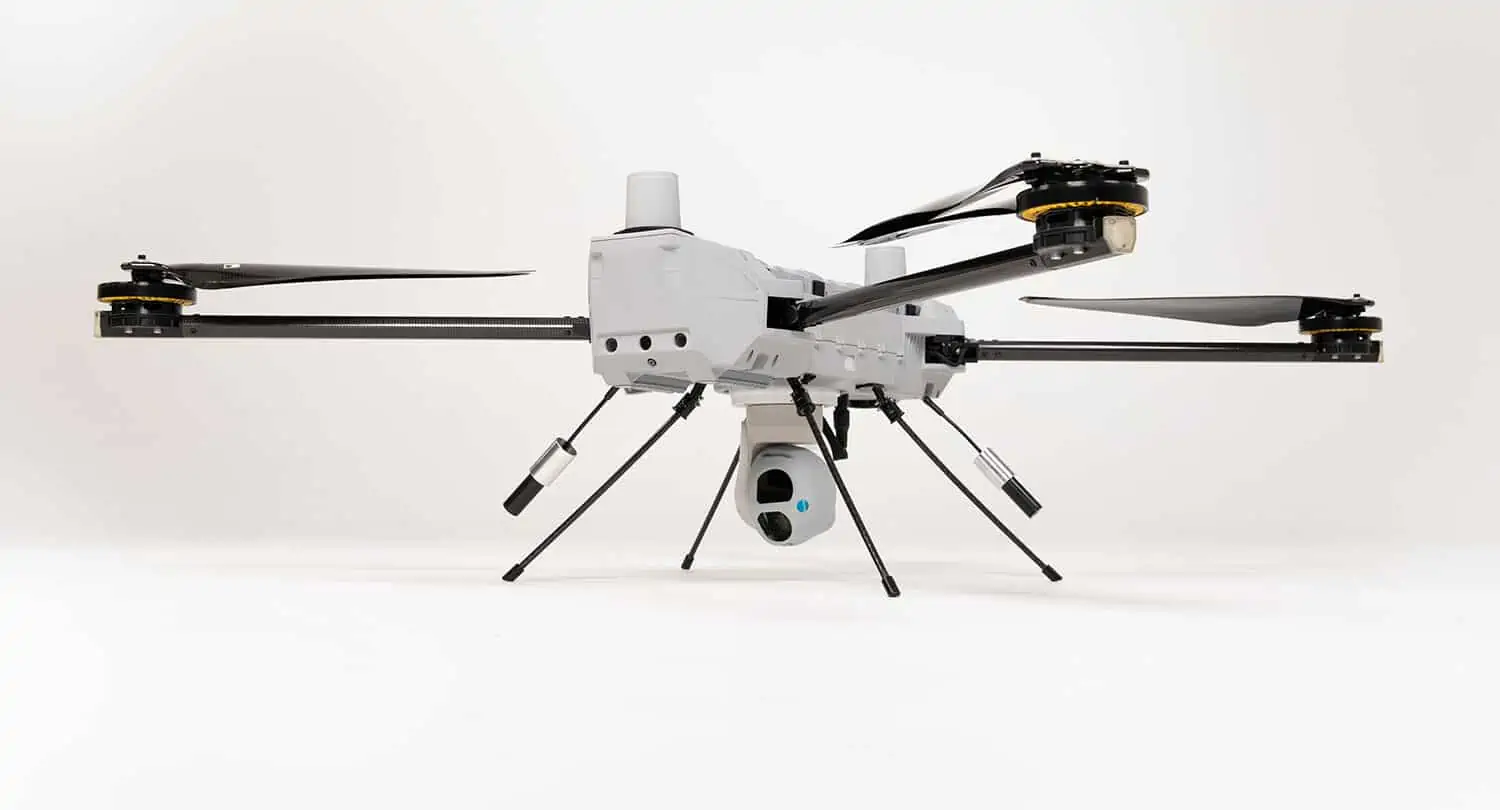
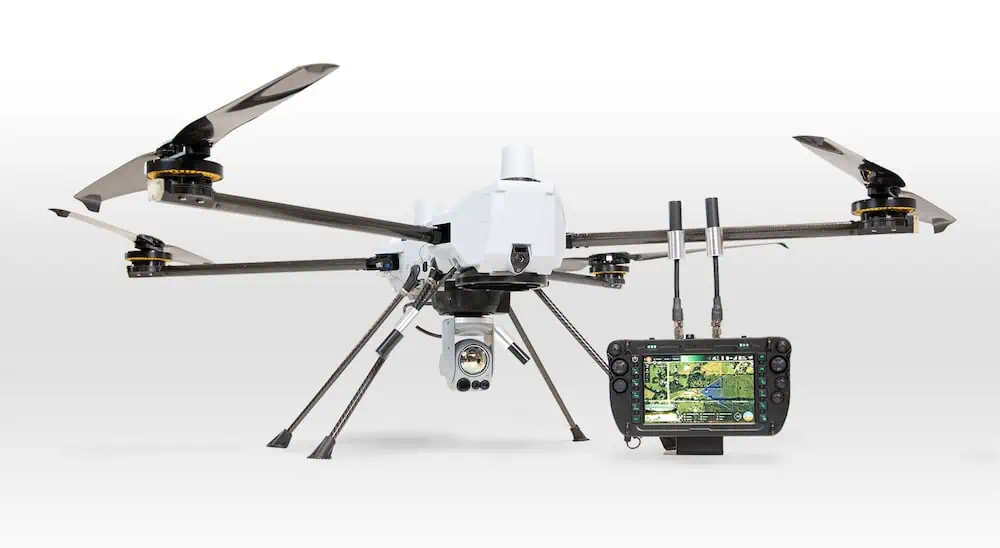
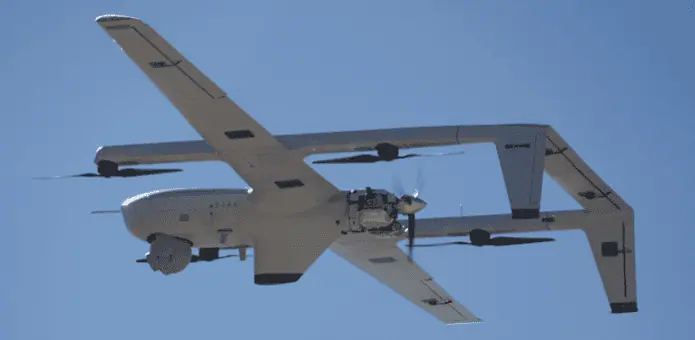
HFE’s EFI engine systems are operational on over 100 UAV platforms across 28 countries. A notable client utilizing the Genpod® system is Spektreworks, based in Phoenix, Arizona. Their Sapphire aircraft employs the Genpod® 100 engine in a pusher configuration, integrated with their VTOL avionics stack to transmit all engine data.
spektreworks has customized the engine with a unique color scheme to match their aircraft. HFE offers this color-matching service for an additional fee. Additionally, Spektreworks benefits from HFE’s specially designed silent muffler system, which significantly reduces acoustic signatures, enhancing stealth capabilities.
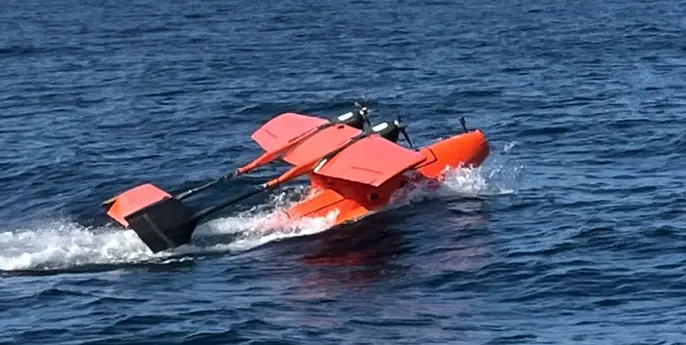
Another notable submission is by Space Entertainment Laboratory in Japan,which utilizes the Genpod® systems for a seaplane that travels to various locations across Japan,collecting data from environmental sensors in the ocean.
This aircraft can swiftly reach destinations that would take larger vessels hours to access. It features two Genpod® variants, with counter-rotating propellers due to its twin-engine design. One engine operates clockwise while the other runs counterclockwise, with the clockwise engine utilizing a reverse-pitch propeller.
Customization and Adaptation of Engine Solutions
What is your strategy for customizing and adapting engines to meet specific customer requirements?
HFE offers a standard engine package designed for fixed-wing aircraft, but numerous options are available to enhance performance, minimize noise, alter color, or adjust engine rotation.
Each engine order undergoes a thorough review by an engineer and is built to the customer’s specifications. Clients can consult with HFE engineers to explore a range of optional configurations. For hybrid power systems and generator applications, HFE collaborates with customers to tailor the engine to specific generator inertia and load requirements.
Commitment to Quality and Testing Standards
your DA mil-spec engines are rigorously tested from sea level to 10,000 feet and across temperature ranges from -40°F to 140°F. Can you elaborate on HFE International’s testing protocols and dedication to quality?
HFE has achieved AS9100 certification and is dedicated to continuously enhancing product quality. Our engineers are currently working to qualify the Genpod® 100 EFI as a Type certified engine with the FAA. This extensive process spans several years, but HFE is fully committed and has allocated resources to support this initiative.
Every component used in HFE engine systems is rigorously tested and qualified before assembly. the engines undergo a break-in cycle and comprehensive testing to ensure exhaust emissions comply with established standards. HFE has invested in new thermal chamber equipment and is exploring new materials to broaden the temperature range and altitude performance of its products.
Future Plans in the Unmanned Sector
What initiatives do you have planned for the unmanned sector in the next 12 to 24 months?
HFE is shifting its focus towards compact generator and power systems. Several projects are underway to develop lightweight two-stroke and rotary-powered generators for the burgeoning heavy-lift EVTOL market. Innovations in power systems ranging from 500W to 18kW are expected to be launched in the coming years.
Additionally, HFE plans to introduce a modular battery pack that will be FAA certified alongside the Genpod® 100 powerplant. This lightweight and compact battery system will feature cell balancing, over-voltage regulation, and built-in charge controls. The 50V battery will serve as a starter and load balancer for the genpod® starter/generator.A new version of the Genpod® will be available as a complete package, including the PMU and battery, facilitating straightforward integration into any aircraft.
Thank you for sharing your insights with us today, Thomas. We look forward to seeing your latest projects come to life.