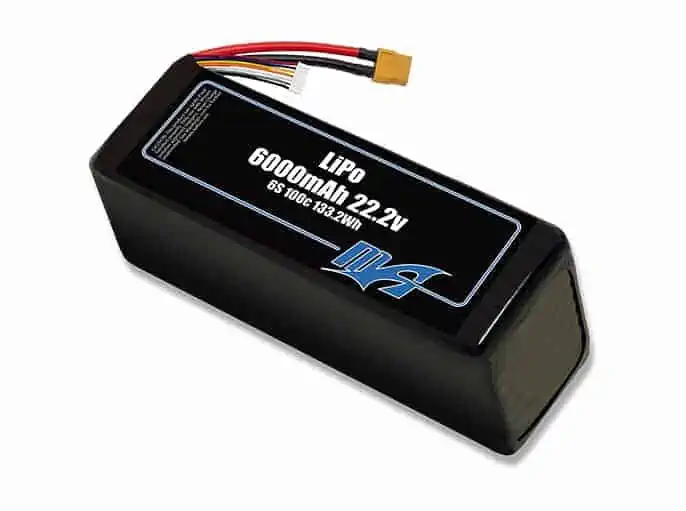


In this article, the specialists at Vanguard clarify five common misconceptions about contemporary lithium-ion (Li-ion) battery technology.

Advancements in Li-ion battery technology have significantly broadened their applications, ranging from smartphones and laptops to electric vehicles and industrial machinery. These innovations have facilitated the electrification of various types of equipment across multiple sectors.
Still,several myths persist regarding the practicality of battery-operated devices,which may hinder some users from transitioning to battery power. In this piece, the battery experts from Briggs & Stratton’s Vanguard division debunk these myths and present factual insights to counter these misconceptions.
Myth #1: Battery-Powered Equipment Cannot Handle Environmental Changes
Many find it hard to believe that batteries can endure diverse environmental conditions. Professionals working outdoors require equipment that can withstand a variety of seasonal challenges, a feat traditionally accomplished by combustion engines.however, dismissing battery technology woudl be a significant oversight.
Modern batteries have been engineered to endure extreme environmental conditions, enhancing their durability and resilience. While it is true that extreme temperatures, vibrations, and moisture can affect battery performance, they do not render batteries incapable of delivering reliable power.
Manufacturers have improved testing protocols, allowing batteries to be subjected to harsh conditions while ensuring they maintain effective performance. current testing can evaluate battery functionality in temperatures ranging from -20°C to 60°C, showcasing the enhanced reliability of today’s batteries.
Myth #2: Battery Power is Inconsistent
As fuel-powered machines are often viewed as the standard, battery power is sometimes dismissed due to its unfamiliarity. Concerns about potential downtime and its impact on business operations can lead to hesitation in adopting battery technology.
however, contemporary Li-ion batteries are equipped with advanced battery management systems (BMS) that provide valuable data regarding battery health and performance. This system helps ensure optimal functioning, allowing users to monitor battery status continuously. The BMS acts as an onboard computer, tracking metrics such as temperature, charge/discharge currents, and voltage levels across cell banks.
By constantly assessing battery health, the BMS serves as a crucial tool for troubleshooting. It can communicate issues to users, enabling quick resolutions and minimizing downtime. Additionally, Vanguard’s Li-ion batteries include internal contactors, ensuring that the battery is inactive when the equipment is off, thereby enhancing safety during maintenance.
Myth #3: equipment is Inoperable Once the Battery is Depleted
Concerns about battery lifespan and what happens when a battery runs out often lead users to prefer fuel-powered options. The notion that refueling is straightforward can overshadow the advantages of battery technology.
However, if a battery does run out, it can be swiftly replaced with a fully charged one. For instance, Briggs & Stratton has launched the Vanguard Lithium-Ion 1.5kWh swappable battery pack, designed for quick removal and replacement in seconds, ensuring uninterrupted power supply. this innovative design allows users to easily exchange batteries, minimizing downtime and accommodating higher power demands.
Myth #4: Charging Batteries is Unsafe
many misconceptions surround the safety of battery charging. It involves more than simply plugging the battery into a charger and waiting. Several factors contribute to effective charging strategies for li-ion batteries.
The BMS plays a vital role in managing the charging process, regulating when and how the battery can be charged to prevent damage from extreme temperatures. This not only protects the internal chemistry of the battery but also optimizes its lifespan by controlling charging speed and duration.
Myth #5: Lithium-Ion batteries are Not Recyclable
Recycling batteries is often perceived as challenging, notably due to the disposal issues associated with older nickel-cadmium (Ni-Cd) batteries. However, Li-ion batteries are highly recyclable and do not carry the same environmental risks.
Li-ion batteries typically retain about 80% of their capacity even at the end of their life cycle, making them suitable for repurposing in various applications. Unlike older batteries, they lack hazardous heavy metals, allowing for safe recycling without the risk of contaminating water supplies.
Conclusion
By dispelling these misconceptions, users can recognize the reliability, durability, and sustainability of Li-ion batteries.This understanding enables original equipment manufacturers (OEMs) to achieve their electrification objectives while meeting the evolving power needs of their customers.