
Dynautics, a leader in intelligent technology for uncrewed marine operations, has shared insights on how the Society of Maritime Industries (SMI) successfully navigated the challenges of the 2021 Marine autonomy Challenge amid the global pandemic, utilizing Dynautics’ innovative solutions.
The last year adn a half has posed significant challenges for industries worldwide, and the maritime sector has not been immune. Despite it’s experience in change management and resilience, the industry has had to adapt to unprecedented challenges brought on by the pandemic. By leveraging the inherent flexibility of its infrastructure, the maritime sector has managed to tackle these obstacles head-on.
The SMI encountered a distinct set of challenges with the 2021 Marine autonomy Challenge (MAChallenge). This competition,centered on the theme of autonomy,highlighted the increasing importance of remotely-operated solutions in maintaining business continuity and offered a glimpse into the future of maritime operations.
In light of ongoing pandemic uncertainties, how could the SMI harness the sector’s proactive spirit to ensure the success of this vital competition? The Marine Autonomous Systems Group (MASG) Council decided to implement remote working and control strategies already being explored within the autonomous marine industry.
Objectives of the MAChallenge
The MAChallenge aims to inspire and support emerging marine technologists in shaping the future of the UK’s Marine autonomous Systems (MAS) sector. This academic competition focuses on autonomy and its potential to address the pressing issue of oceanic plastic pollution.By connecting promising talent with industry leaders at an early stage, we can ensure the ongoing evolution of autonomous technologies both above and below the water’s surface.
This year, the MASG Council faced the challenge of enabling competitors to develop thier solutions without direct access to vessels, water, or othre essential hardware during the initial growth phases.
To address this, the Council identified three essential requirements:
- A virtual platform for testing the Uncrewed Surface Vessel (USV).
- Remote mission control capabilities for the USV via the internet.
- A transition from the virtual environment to real-world hardware testing.
Charting a Course for Success
As a trailblazer in intelligent technology for uncrewed marine missions,Dynautics collaborated closely with the MASG Council to create a comprehensive roadmap for the competition. By leveraging cutting-edge marine simulation technologies, they aimed to bolster the maritime sector’s resilience that the competition seeks to promote.
Creating a Virtual testing Environment
Dynautics suggested that participants utilize their Ship Simulator (Ship Sim) to develop a simulation model of the uncrewed vessel,defining critical parameters such as propulsion,steering,and hull characteristics. This USV simulation is then integrated into a virtual environment, allowing for dynamic adjustments to factors like sea state, wave height, wind direction, and tide.
Within this virtual setting, competitors can explore the USV’s capabilities across various scenarios. The vessel’s performance can be recorded, and the impact of modifications to control systems and algorithms can be easily analyzed. This approach allows for rapid and efficient exploration of all aspects of the USV’s functionality.
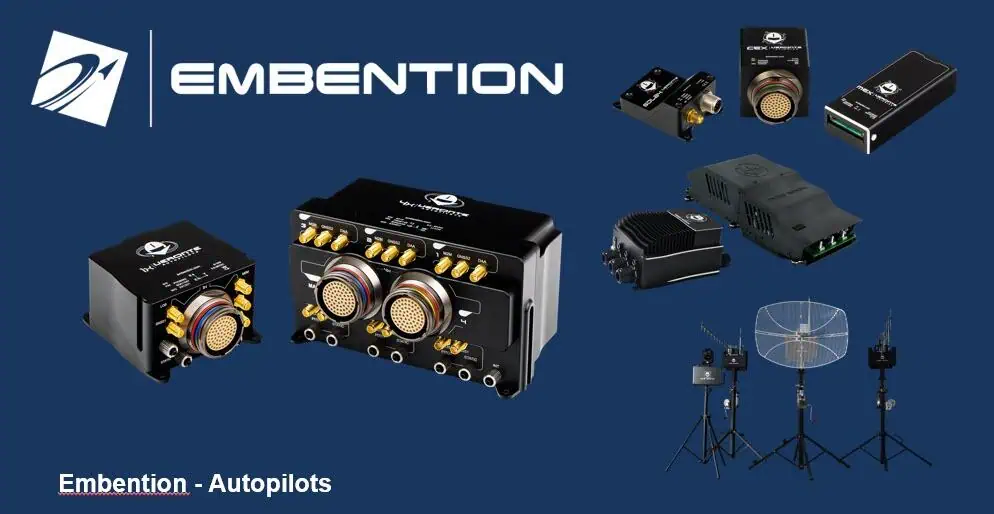
The simulator’s virtual components interface with real-world hardware, specifically the Dynautics SPECTRE E-boat Autopilot, enabling comprehensive testing of dynamic system behaviors. Essentially, it provides contestants with a fully functional vessel model alongside them, facilitating the development of the USV and its operational environment.
From Virtual Simulation to Real-World Submission
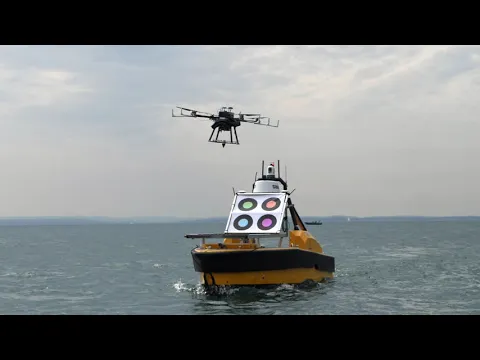
Participants will also receive the Dynautics E-Boat control system,equipped with pre-installed configurable firmware that mirrors the actual hardware used in the USV platform provided by Southampton University. This control system serves as the backbone for managing twin thrusters, a communications gateway, GPS interface, and connection to the mission PC, allowing contestants to refine their control algorithms in the virtual realm before applying them to the physical vessel.
Remote Control and Mission Management
The final component is Dynautics’ Remote Control Window (Dynautics RCW), which enables remote operation of both the virtual and actual USV. This integration of common tools ensures a smooth transition from the development phase to the real-world competition. Operators can control the mission from anywhere globally, maintaining real-time oversight and command via the internet.
This suite of remote working tools equips contestants with everything necessary to tackle the MAChallenge. The competition provides university students with an opportunity to showcase their hardware, firmware, and teamwork skills in a practical, real-world context.
Tom Chant, Chief Executive of SMI, remarked: “The maritime sector has demonstrated remarkable resilience during the COVID pandemic. Digital technologies and innovations in the MAS field have risen to the occasion, enabling complex marine tasks to be executed remotely. It’s an exciting time to host the MAChallenge 2021 and to encourage young talent to join this dynamic industry. I extend my gratitude to our industry sponsors and partners, whose support has been crucial in making this competition possible. It exemplifies the UK MAS industry’s collaborative spirit in overcoming recent challenges.”
Maritime Autonomous Systems are increasingly vital across various sectors. This competition offers the next generation of marine technologists a platform to demonstrate their skills in hardware, firmware, and teamwork while addressing a tangible, real-world challenge.
The UK is already recognized as a leader in this technological domain. By enhancing this reputation, we can collectively foster the development and adoption of MAS technologies within the UK.
Watch a video about the 2021 Marine Autonomy Challenge below: