

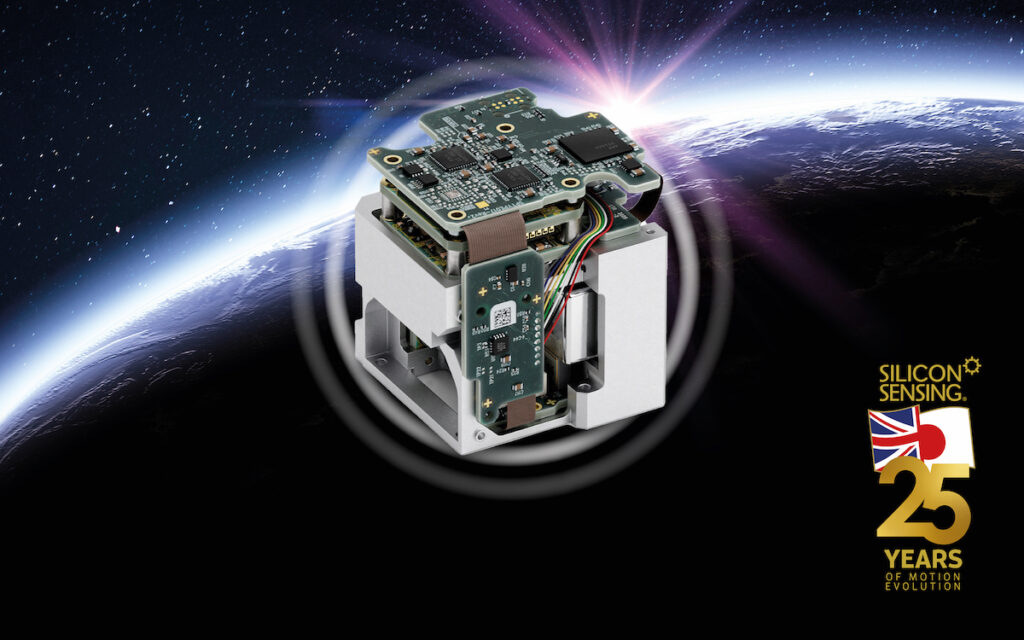
DMU41 inertial measurement unit (IMU) un-housed
Innovative testing of the DMU41 IMU for Space Applications
In a groundbreaking collaboration, Silicon Sensing Systems Ltd has partnered with Science Tokyo, a prominent institution in Japan’s science and technology sector, to evaluate the DMU41 inertial measurement unit (IMU) for its potential in low Earth orbit (LEO) missions.
Exploring the DMU41’s Capabilities
This testing initiative focused on assessing the DMU41’s high-performance attributes for guiding and controlling the attitude of space platforms operating in commercial LEO environments. The program included rigorous radiation exposure tests designed to replicate the natural radiation conditions found in lower Earth orbit,encompassing both single event effects (SEE) and total ionizing dose (TID) assessments.
Technical Specifications and Advantages
The DMU41 is classified as a tactical-grade IMU, offering 9 degrees of freedom. This advanced micro-electro-mechanical systems (MEMS) device is engineered to function effectively in extreme temperatures, ranging from -40°C to +85°C. It boasts remarkable low noise performance, minimal bias instability, and a low angle random walk, making it a reliable choice for demanding applications.
In terms of size and efficiency, the DMU41 outperforms conventional fibre-optic gyro IMUs, all while being compact—measuring just 50mm on each side, weighing under 180 grams, and consuming less than 2.5 watts of power.
Industry Insights and Future Prospects
David Somerville, General Manager of Silicon Sensing, remarked, “Collaborating with the esteemed Science Tokyo on this testing program marks a meaningful milestone for us, especially as we celebrate our 25th anniversary in the industry.”
“The global market for LEO satellites is projected to grow at a compound annual growth rate (CAGR) of approximately 17% over the next four to five years. This presents a vital opportunity for us, as we are already witnessing an increase in demand. In this competitive landscape, factors such as performance, size, durability, and power efficiency are crucial, and we believe our technology can deliver significant improvements.”