
Innovative Marine Technologies: Dynautics and UST Collaboration
Dynautics, a prominent name in the realm of smart marine technology, has joined forces with Unmanned Systems Technology (UST) to showcase their cutting-edge capabilities. Their ‘Silver’ profile emphasizes how advanced vehicle control algorithms and integrated electronics can tackle intricate autonomy challenges faced by unmanned surface vehicles (USVs), autonomous underwater vehicles (AUVs), and remotely operated vehicles (ROVs).
Surface SPECTRE: A Versatile Autopilot Solution
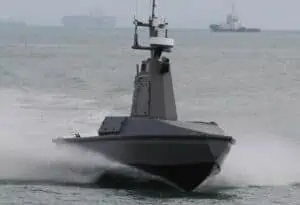
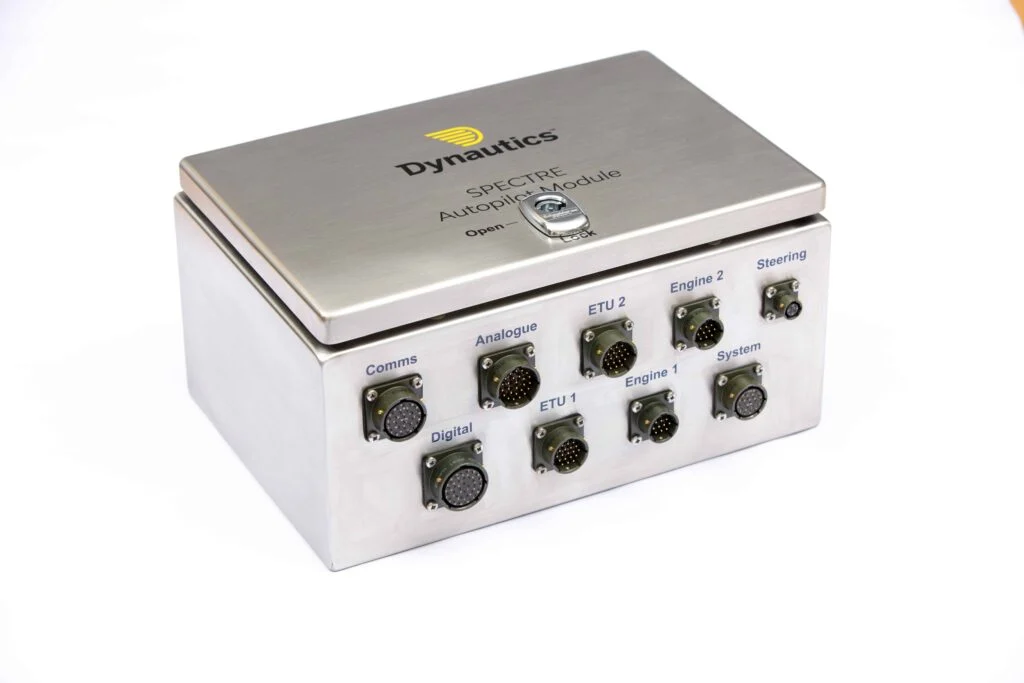
The surface SPECTRE remote control autopilot is a extensive system tailored for the operation of various autonomous and remotely controlled surface vessels. It is indeed typically set up to manage a single-engine craft through a standard electronic throttle actuator and hydraulic steering pump, but it can be easily adapted to accommodate different types of vessels and enhance functionality, including integration with navigation systems.
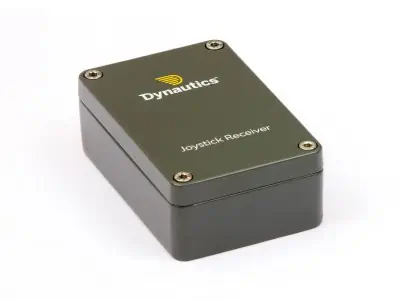
Designed for vessels measuring up to 15 meters, the SPECTRE can operate at speeds from 1 knot to over 50 knots. Its sophisticated sensor data fusion and adaptive autopilot algorithms ensure stability at high speeds, resulting in precise navigation and waypoint tracking.Additionally, it can be paired with a durable, waterproof SPECTRE Remote Joystick, allowing for remote operation typically within a range of 400 meters.
Underwater SPECTRE: Advanced Subsurface Control
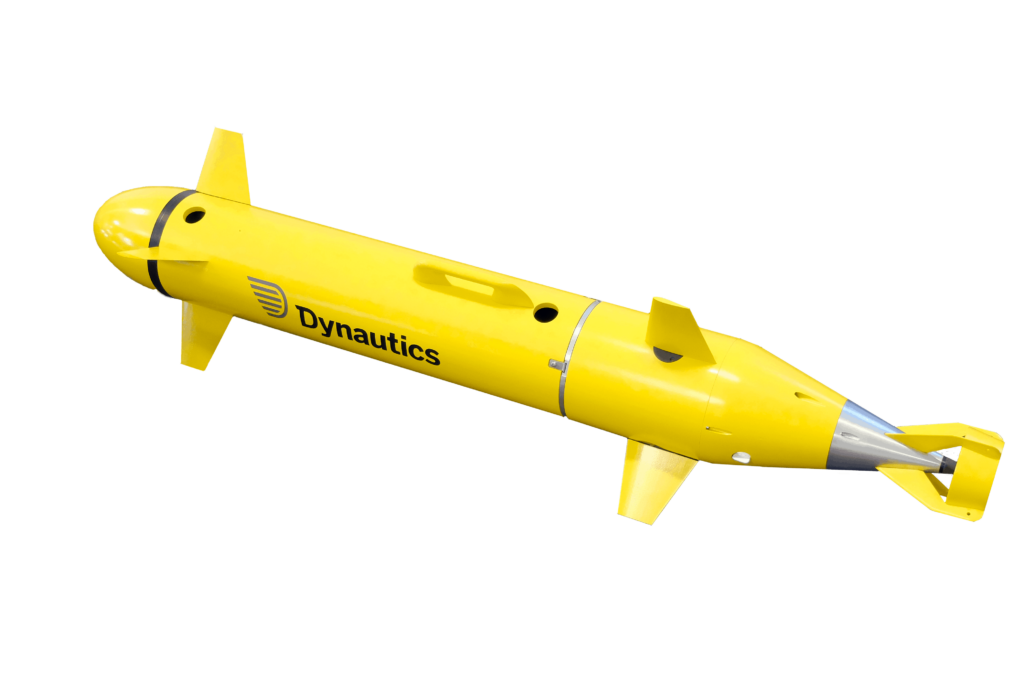
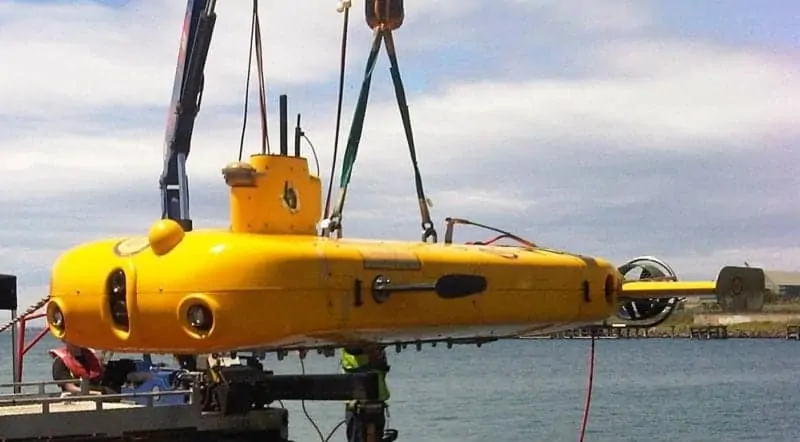
The Underwater SPECTRE autopilot, derived from the SPECTRE board, caters to a diverse array of unmanned underwater vehicles (UUVs), AUVs, and ROVs. It has been effectively utilized in nimble underwater systems, including mine countermeasure vehicles as small as 1 meter and work Class ROVs weighing up to 5 tons.
Operators stationed on land or aboard support vessels can monitor the vehicle’s progress on-screen and adjust its heading, speed, trajectory, attitude, and depth. Communication can occur through a tethered data link, RF, or satellite communications when surfaced, or via acoustic links like the Sonardyne 6G.
MicroSPECTRE: Compact Autopilot for Space-Constrained Applications
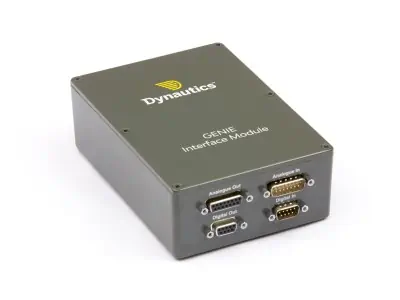
The MicroSPECTRE is a compact version of the SPECTRE autopilot, specifically designed for both surface and subsurface unmanned systems with stringent size, weight, and power (SWaP) requirements. It can control twin-engine vessels and incorporates the same advanced autopilot algorithms as the flagship SPECTRE system. Connectors can be oriented vertically or at right angles to accommodate spatial constraints.
Power Management Module: Efficient Energy Control
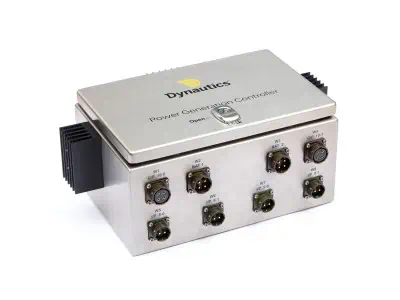
The standalone Power Management Module (PMM) enables the SPECTRE autopilot to manage power across six 12V channels, each capable of handling up to 2.4A, with a total capacity of 10A. The RS-422 control bus allows for daisy-chaining up to eight PMMs, enabling control of up to 48 channels and 80A. Options for higher currents and voltages are also available.
This PMM is especially beneficial for maritime unmanned systems with limited power budgets, allowing for precise control over power consumption. Applications include activating an AUV or USV’s scientific instruments for designated periods or upon reaching specific waypoints.Each channel features a preset trip current level that can be adjusted in real-time, with the system capable of monitoring peak and average currents.
Simulation Tools: Ship Sim 3 and AUV sim
The Ship Sim 3 simulator replicates the behavior of a wide variety of unmanned surface vessels using advanced mathematical models to assess aerodynamic and hydrodynamic forces, propeller dynamics, wave impacts, and lift effects. Each sensor is individually modeled to transmit output data via serial and Ethernet, allowing for comprehensive testing of simulated vehicles with hardware integration.
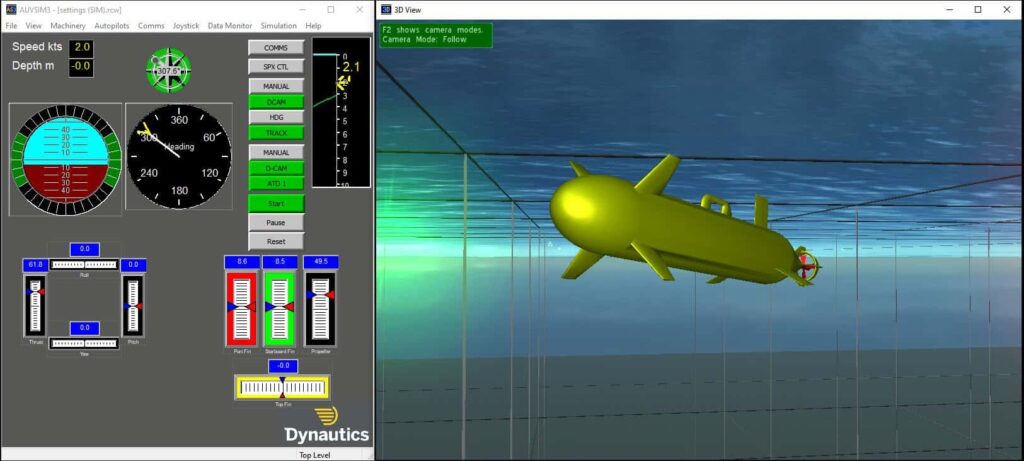
AUV Sim offers a platform for constructing and configuring simulated underwater vehicles, ranging from small AUVs to large Work-Class ROVs. The software enables designers to assemble components such as body elements, actuators, and thrusters in a flexible, modular fashion for testing and evaluation. AUV Sim can also function as a test harness under autopilot control, facilitating hardware-in-the-loop testing.
Reliable Communication Solutions
Dynautics’ 2.4GHz modems support RS232 or RS422 inputs and are ideal for use with the Dynautics Joystick, providing rapid, precise control with minimal latency for maneuvering large usvs. These modems also facilitate the SSSCP (SPECTRE Secure Serial communications Protocol) command and control datalink for short-range applications up to 400 meters line of sight.
Additionally, Dynautics offers UHF modems from leading manufacturers like RF datatech, SATEL, and GE, operating within the 400 to 500 MHz frequency bands (including license-free bands in the UK and other regions).These modems support the SSSCP protocol over distances of up to 20 kilometers line of sight, ensuring reliable control and communication for USVs.
Furthermore, Dynautics provides GSM modems, enabling command and control for various marine unmanned systems applications. This architecture allows operator workstations to be situated anywhere with internet access, facilitating simultaneous mission observation and seamless control handover among multiple workstations.
For extreme long-range command and control, dynautics utilizes the Iridium satellite network through the RUDICS system, offering global coverage for data retrieval and bidirectional communications. This capability allows for remote piloting of vessels used in scientific research and other applications far beyond the reach of traditional radio modems.
to learn more about Dynautics and their innovative marine electronics for unmanned systems, please visit their profile page:
Dynautics Profile