

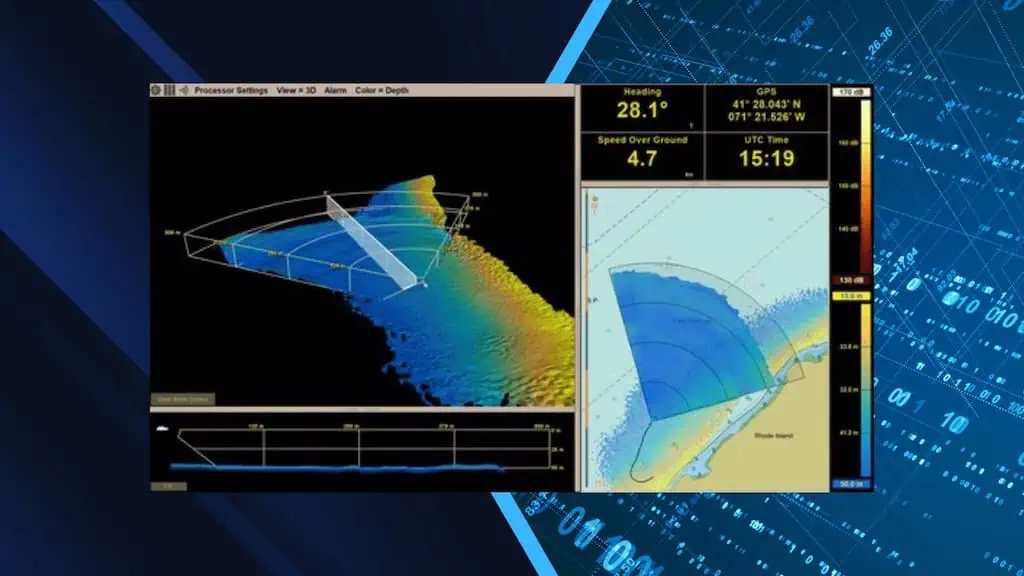
Transforming Maritime Operations with Autonomous Vessels
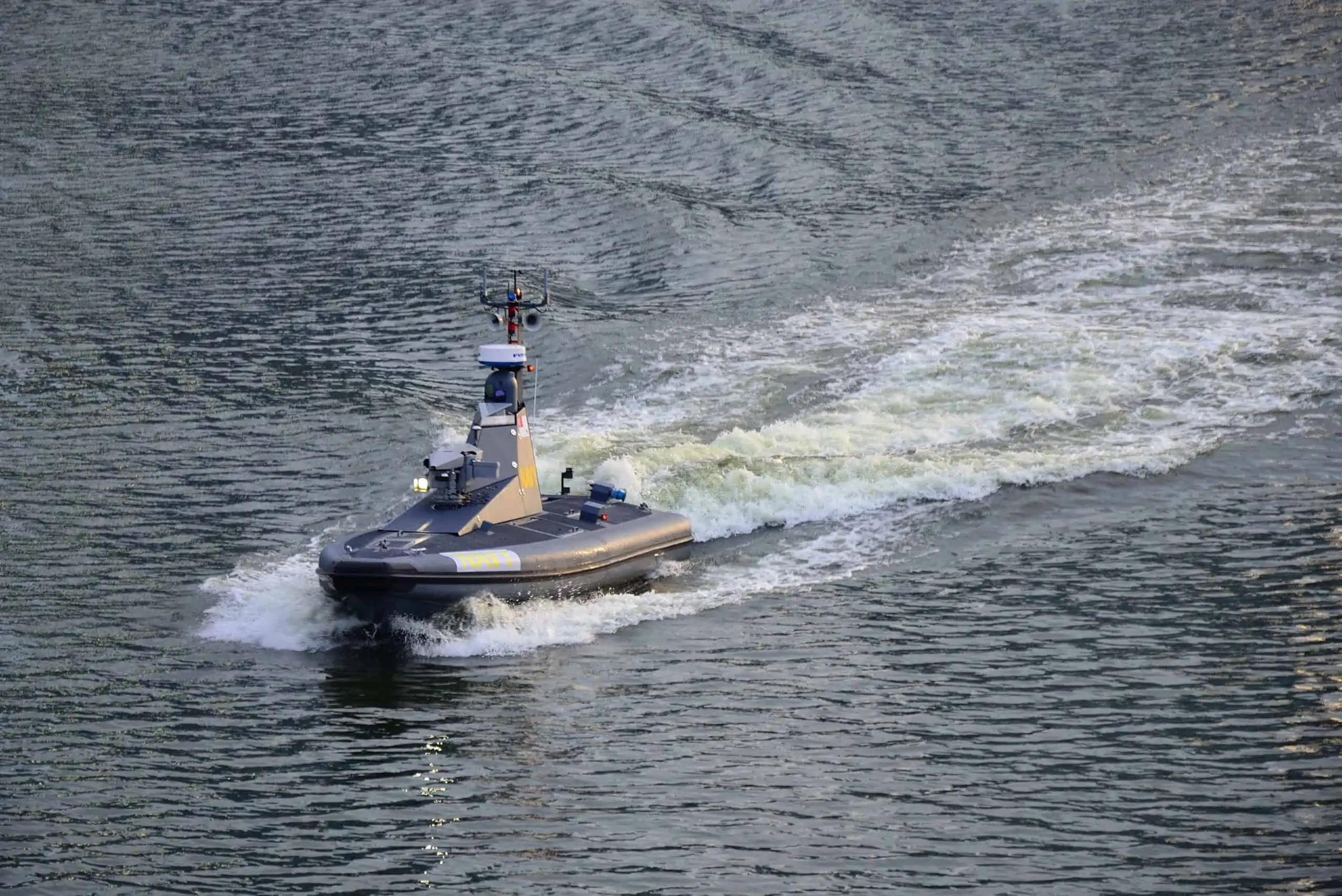
FarSounder highlights that the swift evolution of Autonomous adn uncrewed Surface Vessels (ASVs/USVs) is revolutionizing maritime activities, fueled by advancements in broadband connectivity, AI-driven control systems, and the changing demands of both defense and commercial industries.
The increasing deployment of uncrewed systems in conflict areas, such as the ongoing situation in ukraine, has further propelled their progress, opening up substantial opportunities for their use in hydrographic surveys, search and rescue missions, environmental monitoring, and even future cargo and passenger transport.
Nevertheless, as these vessels undertake more intricate missions, a crucial element of navigation is often neglected: real-time awareness of underwater conditions.
The Underwater Navigation Challenge
Traditionally, the design of USVs has focused on above-water sensors, including GPS, AIS, radar, and optical/thermal cameras, to comply with maritime regulations like the U.S. Coast Guard Rules of the Road and COLREGs.
Initial testing of these systems generally occurred in well-mapped regions or deep waters, where underwater hazards were minimal. However, as these vessels venture into more demanding environments, the shortcomings of this approach are becoming increasingly evident.
Many USVs depend on standard electronic navigational charts (ENCs) for underwater awareness. Yet, this chart data can be unreliable outside of major shipping routes, especially in coastal areas where local expertise has historically guided navigation.
Unlike crewed vessels, which benefit from human insights and experienced bridge crews, uncrewed platforms encounter notable gaps in situational awareness. Moreover, charts fail to account for transient obstacles, seabed alterations due to seasonal changes or natural disasters, or operations in GPS-denied areas.
While above-water sensors are crucial for detecting surface obstacles and other vessels, they cannot identify underwater dangers such as uncharted rock formations, coral reefs, or submerged debris. they also struggle to detect marine life, submerged ice, or shifting underwater topography in challenging environments. Without a robust underwater awareness system,USVs face serious navigational challenges,which could restrict their operational capabilities and effectiveness.
Addressing the Challenge with Advanced Sonar Technology
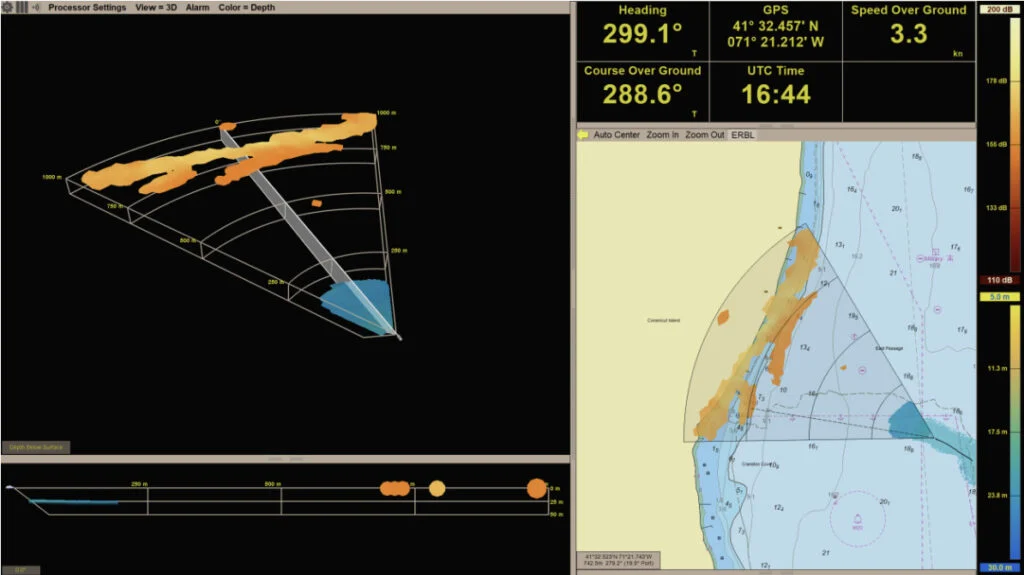
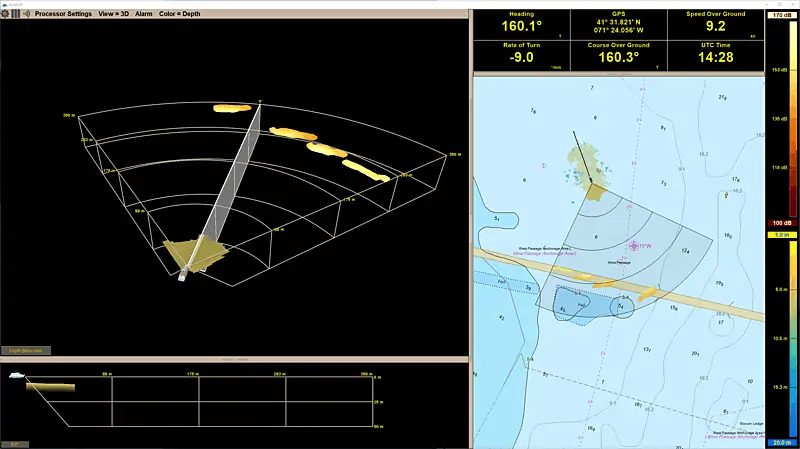
Fortunately,a reliable solution exists to overcome these limitations: 3D Forward-Looking Sonar (3D FLS). This established technology enhances traditional navigation sensors by delivering real-time, high-resolution underwater data.
When integrated with existing USV control systems and remote operators, 3D FLS significantly boosts situational awareness, reducing risks associated with hidden underwater hazards.
FarSounder’s Argos 3D Forward-Looking sonar operates at distances ranging from 350 meters (over 1,100 feet) to 1,000 meters (more than half a nautical mile) ahead of the vessel. Since its initial installations in 2005, FarSounder’s technology has been utilized across a variety of manned vessels and has been incorporated into numerous uncrewed platforms since 2021. Currently, Argos sonars are installed on defense and commercial USVs starting at lengths of 14 meters.
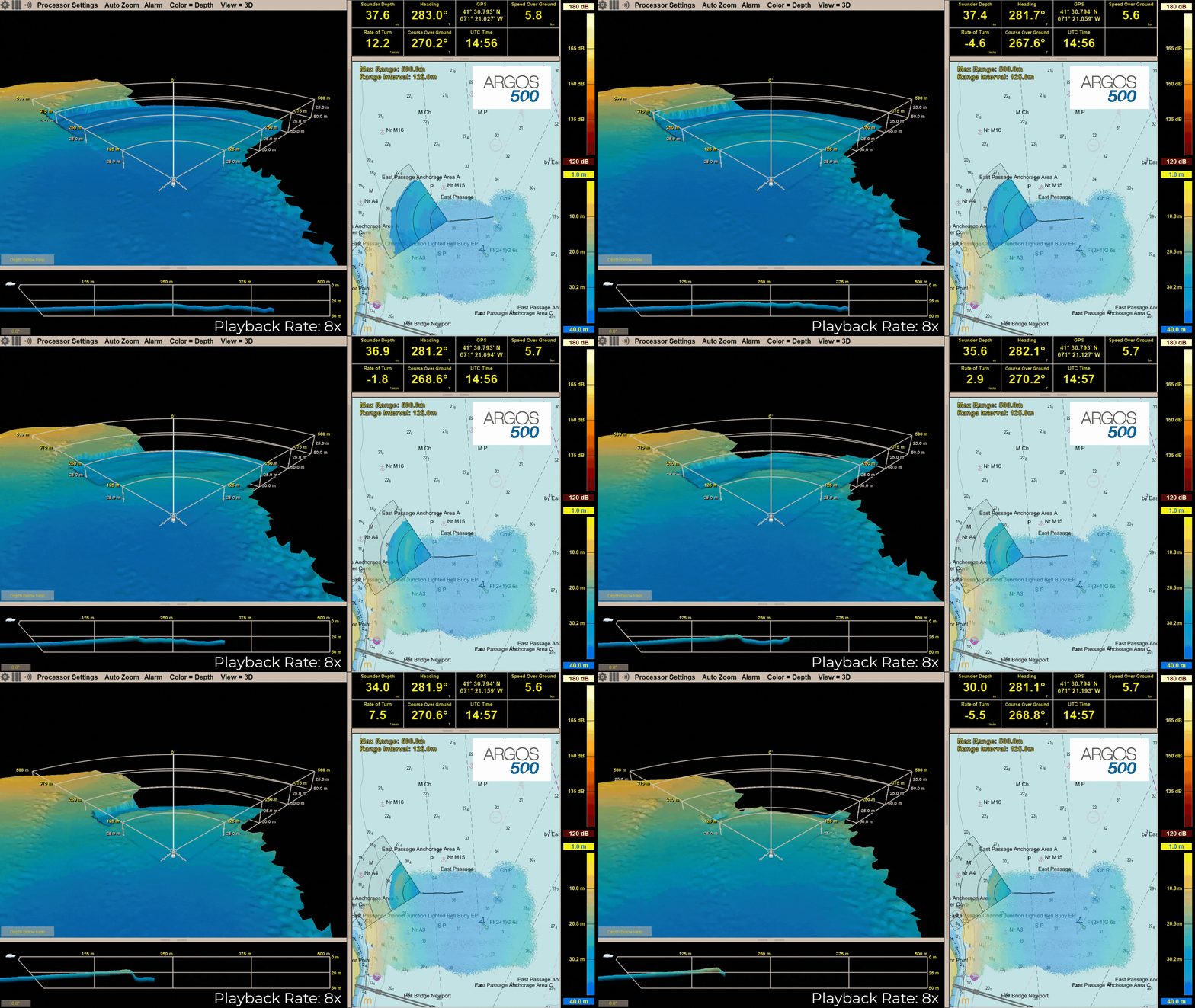
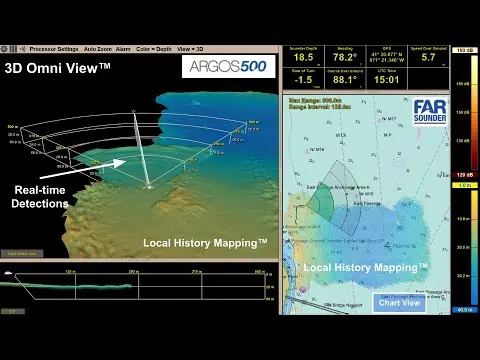
Beyond immediate obstacle detection, the Argos series continuously generates a bathymetric map of its operational area, enabling real-time navigation adjustments. This data can be stored and shared anonymously across the FarSounder fleet, fostering a collaborative underwater mapping network. The sonar’s output is accessible via a machine interface for autonomous vehicle control systems or through a graphical display for human operators.
Maximizing the Capabilities of USVs
By integrating 3D Forward-Looking Sonar, USVs acquire a vital capability that broadens their mission profiles, enhances operational safety, and increases their potential applications.
From defense operations to environmental monitoring and commercial activities,real-time underwater awareness ensures that uncrewed vessels can navigate more effectively in complex and uncharted waters. As ASV/USV technology continues to advance, the incorporation of complex underwater sensing systems like the Argos 3D FLS will be essential for unlocking their full potential.
For further facts, visit the FarSounder website.