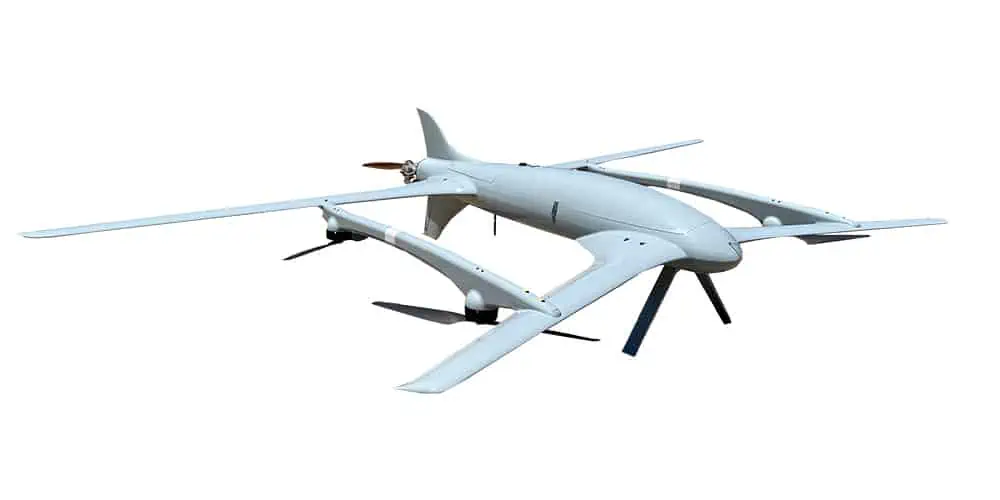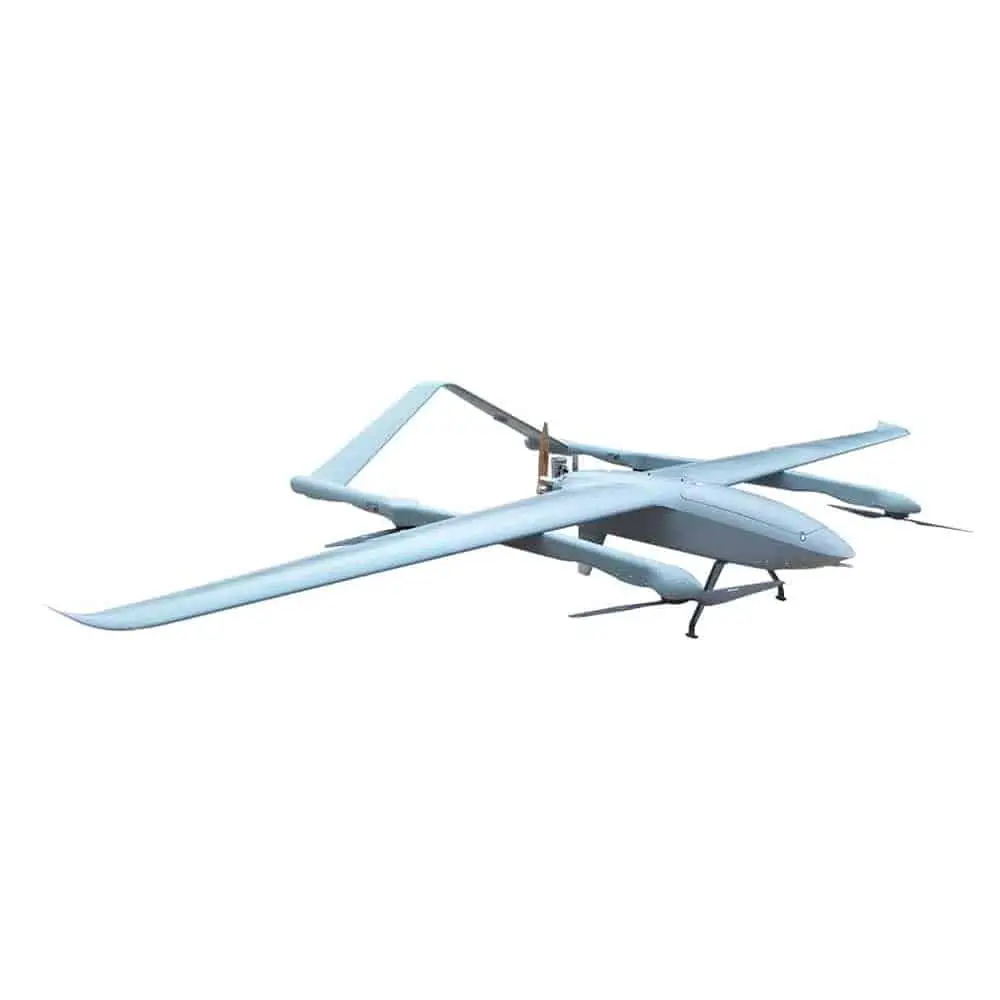



A herd of Angus and Murray Gray cattle captured by a drone, gazing at the camera.
Elsight’s Halo: Pioneering the Future of Drone Operations in Australia
Elsight’s innovative Halo dialog system is poised to play a crucial role in the anticipated growth of Australia’s drone sector, which is projected to reach 60 million flights annually by 2043. This technology ensures robust connectivity essential for the traffic management systems that will guarantee safety and scalability within the industry.
Transforming Drone Operations with Reliable Connectivity
The Halo system facilitates beyond visual line of sight (BVLOS) operations, removing the necessity for human observers. Furthermore,it allows drone operators to manage a greater number of drones together compared to existing technologies. these advancements are set to propel the UAV industry into a new era of efficiency and capability.
Future Projections for Drone utilization
A recent report from Scyne advisory, commissioned by Airservices Australia, forecasts a dramatic increase in drone applications, including deliveries, mine inspections, and even passenger transport services, by the late 2030s as the industry evolves over the next two decades.
The report anticipates that drone flights will surge from 1.5 million this year to an astounding 60 million by 2043, providing critical insights for Airservices Australia as it develops its future uncrewed aircraft system traffic management (UTM) framework.
Global Impact of the Halo System
Yoav Amitai, CEO of Elsight, emphasized that the Halo system is already enabling traffic management solutions for unmanned vehicles being developed globally. “Halo delivers real-time data from the field to control towers, enhancing traffic management capabilities,” he stated, highlighting the importance of reliable connectivity for BVLOS operations.
“We must consider the potential consequences if communication is lost during a mission. Our Halo system is designed to prevent such scenarios,” Amitai added.
Advanced Connectivity Features
Elsight’s Halo establishes a bonded communication tunnel utilizing multiple links, including LTE, 5G, SatCom, and RF technologies, ensuring uninterrupted connectivity between drones (UAVs or UAS) and ground control systems.
whether stationary, portable, or mobile, the Halo can support up to four LTE/5G modems, with optional RF and SAT links via an ETH/UART port. This secured bonded pipeline enhances connection reliability and optimizes data transmission. The system’s effectiveness was demonstrated during last year’s Optus outage,where Sphere Drones,powered by Halo,maintained operational continuity during a trial of its Curo hubx product in a remote area of New South Wales.
investment Trends in the Drone Sector
The Skyne report revealed that many Australian companies are planning to expand their drone fleets by two to five times within the next five years, with growth concentrated in urban areas.
It is projected that goods deliveries will account for approximately 46 million flights, representing around 70% of total drone operations.Enhanced payload capacities will unlock meaningful opportunities, especially in last-mile delivery services.
By the 2040s, the report estimates nearly 1 million passenger transport flights annually, alongside 1.5 million food deliveries, 310,000 drone flights for law enforcement support, over 3.5 million flights for environmental monitoring, and 500,000 flights aiding the mining sector.
Addressing Challenges in the Drone Industry
As Australia gears up for rapid growth in its drone industry over the next five years,Amitai pointed out that human factors pose significant challenges from both safety and economic perspectives. “Humans are often the source of errors in safety protocols,” he noted. “From an economic standpoint, labor costs are a major concern, making our Halo system an ideal solution for businesses.”
“Establishing a robust and dependable technological framework that supports various applications will be crucial in achieving the goal of 60 million drone flights by 2043,” Amitai concluded.