
NASA and uAvionix Join Forces for Advanced UAS Command and Control Technologies
In a significant move towards enhancing urban air mobility,uAvionix has entered into a Space Act Agreement with NASA to innovate Beyond Visual line of Sight (BVLOS) Command and Control (C2) technologies tailored for Unmanned Aerial Systems (UAS).
Collaborative Research and Growth Efforts
This partnership will see NASA collaborating closely with uAvionix to explore and develop commercial UAS C2 systems that leverage internet-based frameworks alongside air traffic control frequencies.
Flight Testing at NASA’s Langley Research Center
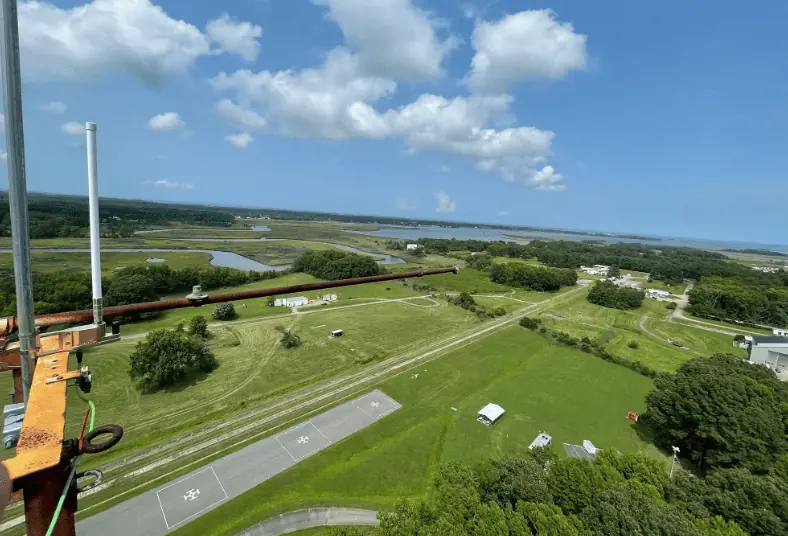
Flight tests are set to take place at NASA’s UAS Flight Test Range located in Hampton, Virginia. The data collected during these tests will focus on evaluating the capabilities of the uAvionix SkyLine C2 technology as part of the High Density Vertiplex (HDV) initiative.
Supporting Advanced Air Mobility Initiatives
Jacob Schaefer, the Technical Lead for the HDV project, expressed enthusiasm about the collaboration, stating, “Partnering with uAvionix is vital for advancing the flight operations envisioned for the future of Advanced Air Mobility (AAM).”
uAvionix emphasizes that this collaboration exemplifies NASA’s commitment to fostering innovation and technological advancement within the aviation sector.
Impact on Commercial Passenger Flight Operations
This alliance is poised to play a crucial role in the evolution of remotely piloted commercial passenger flights, wich depend heavily on the efficacy of certified Control and Non-Payload Communications (CNPC) link systems.
Christian ramsey, Managing Director of uAvionix, remarked, “We are honored to collaborate with NASA on this pivotal project. Their involvement will significantly enhance the operational deployment of our skyLink5060 radios, a crucial step for facilitating AAM, particularly for passenger-carrying vehicles and vertiports that will eventually require certification.”
Current Testing and Future Flight Plans
Various manufacturers and operators are currently assessing performance and operational standards, with applications ranging from Urban Air Mobility (UAM) to long-distance cargo transport.
Flight tests are scheduled to occur from summer 2023 through summer 2024, incorporating technologies that enable sophisticated BVLOS operations.