

Antennas serve as essential devices for transmitting (Tx antenna) and receiving (Rx antenna) electromagnetic waves, functioning as a conduit between open air and guiding systems like coaxial cables or waveguides.
Maxtena specializes in providing high-quality GNSS, SATCOM, LTE, and Wi-Fi antennas tailored for unmanned systems. Thes guiding systems facilitate the transfer of electromagnetic energy between the antenna and its corresponding transmitter or receiver.
Antennas transform electrical signals into electromagnetic waves for broadcasting and convert incoming electromagnetic waves back into electrical signals. This capability is vital for various applications, including broadcasting, Wi-Fi, radar, and satellite communications.
The design and type of an antenna are determined by specific interaction needs and the frequency ranges they are intended to accommodate.
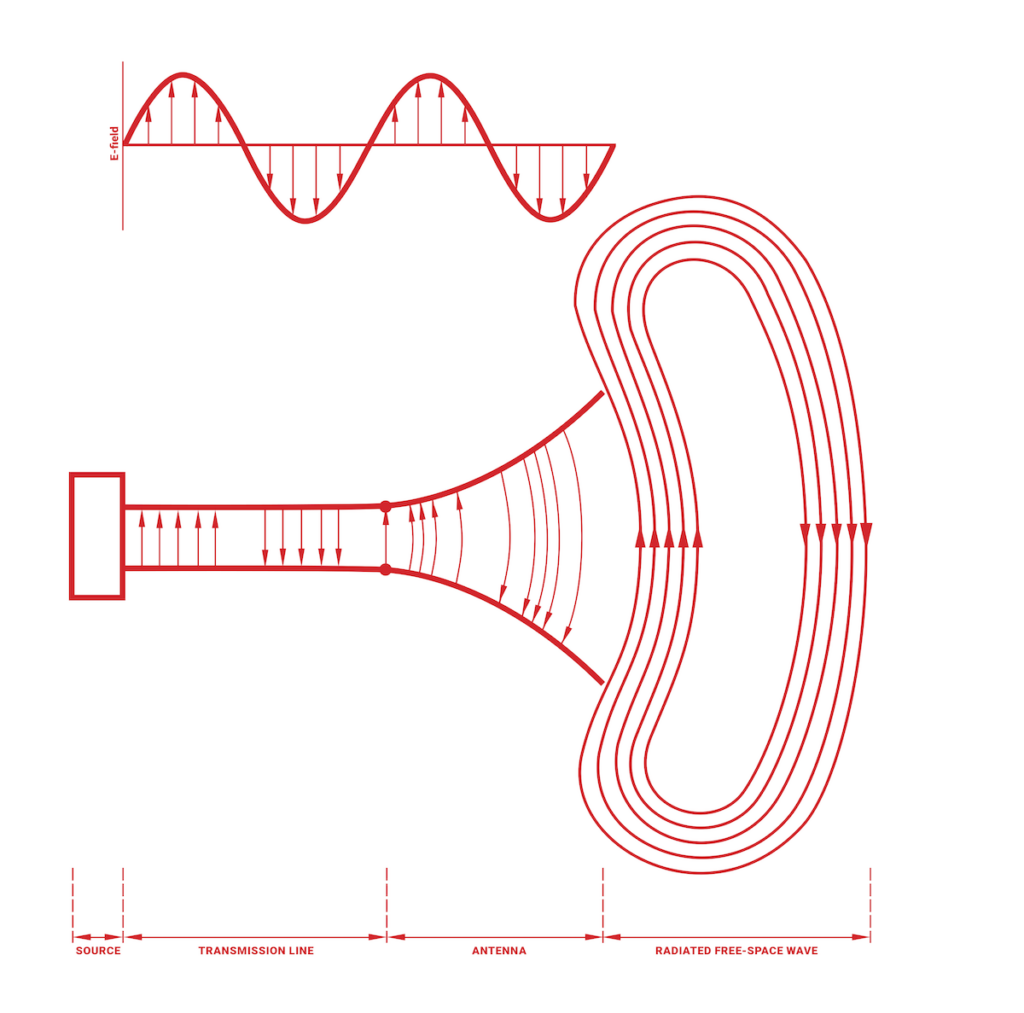
Figure 1. Antenna as a transition device
Understanding the Electromagnetic Spectrum
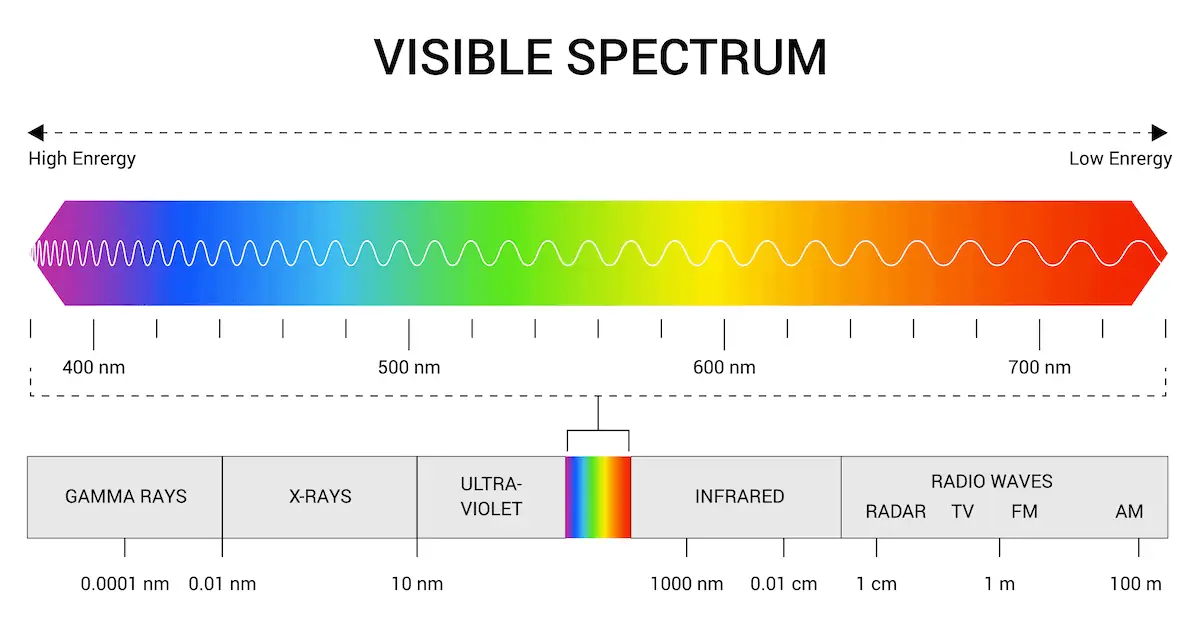
Antennas function across various segments of the Electromagnetic (EM) Spectrum, which is classified according to wavelength and frequency:
Radio Waves: Characterized by the lowest frequencies and longest wavelengths, these are utilized in broadcasting, navigation, and communication.
Microwaves: With shorter wavelengths and higher frequencies then radio waves, microwaves are employed in radar, communication, and cooking appliances.
Infrared Radiation: This segment has longer wavelengths and lower frequencies than visible light, commonly used in thermal sensing and certain communication technologies.
Visible Light: The narrow band of the spectrum perceptible to the human eye, ranging from red to violet.
Ultraviolet (UV) Radiation: Exhibiting shorter wavelengths and higher frequencies than visible light, UV radiation is used in sterilization and imaging processes.
X-rays: These have shorter wavelengths and higher frequencies than UV rays, frequently utilized in medical imaging and security applications.
Gamma Rays: The segment with the shortest wavelengths and highest frequencies, gamma rays are used in radiation therapy and nuclear research.
diverse Antenna types
A variety of antennas are engineered to fulfill distinct communication requirements, influenced by factors such as frequency range, directionality, and environmental conditions. Below are some prevalent types:
Dipole Antenna
Comprising two conductive elements, typically straight wires or rods, this type is frequently used in radio and television broadcasting.
Monopole Antenna
Similar to a dipole but featuring a single conductive element, often employed in scenarios where a ground plane is available, such as in mobile devices.
Maxtena Single-Band Conformal Wave Antenna
Yagi-Uda Antenna
A directional antenna with multiple parallel elements, including a driven element, reflector, and one or more directors, widely used for television reception and amateur radio.
Patch Antenna
A flat, planar antenna featuring a radiating patch on a substrate, commonly found in Wi-Fi and RFID applications.
Parabolic Reflector Antenna
Characterized by a parabolic dish with a feed antenna at its focal point, this type is utilized in satellite communication, radar systems, and microwave point-to-point links.
Horn Antenna
Resembling a horn,this antenna is suitable for wideband applications and high-frequency ranges,often used in microwave and millimeter-wave systems.
Log-Periodic antenna
Comprising a series of dipole elements of varying lengths, this antenna maintains consistent performance over a broad frequency range and is commonly used in TV antennas.
Loop Antenna
Formed into a closed loop of conductive material, this type is utilized in AM radio reception and inductive coupling applications.
Maxtena Triple-band Helical GNSS Antenna
Helical Antenna
These antennas feature a spiral design and are used in satellite communication, radio astronomy, and RFID technologies.
Whip Antenna
A straightforward, vertical, and flexible antenna commonly found in portable and mobile communication devices, such as walkie-talkies.
Cone Antenna
Shaped like a cone,this antenna is utilized for broadband and ultra-wideband (UWB) applications.
Slot Antenna
Characterized by a slot or opening in a conductive surface, this type is frequently used in radar and communication systems.
The significance of Antennas
Antennas play a pivotal role in facilitating reliable and efficient wireless communication. Their design flexibility allows for optimization based on frequency range, directionality, and environmental factors.
They are essential in supporting emerging technologies such as 5G and the Internet of Things (iot), where advancements in antenna technology are crucial to meet the increasing demands of contemporary communication systems.
In our interconnected world, antennas are indispensable for the seamless transmission of data across wireless networks, satellite systems, and more. As technology progresses, the evolution of advanced antenna designs will continue to be vital in the advancement of communication technologies.