

Textron systems Secures FAA Certification for Unmanned Aircraft Operations
Textron systems Corporation has successfully obtained a special airworthiness certificate from the Federal Aviation Administration (FAA), enabling the company to perform civil unmanned aircraft operations at its Unmanned Systems Service and Support Center located in Blackstone, Virginia.
Importance of the Special Airworthiness Certificate
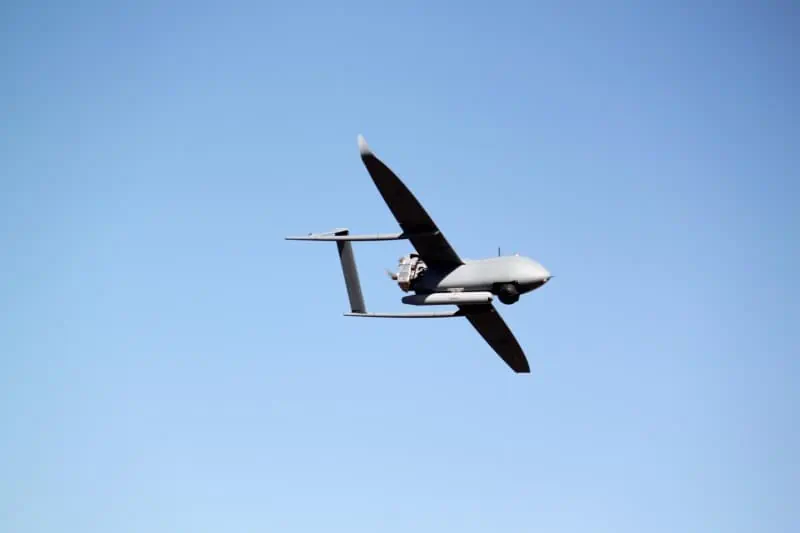
The FAA granted Textron a Special Airworthiness Certificate in the Experimental Category (SAC-EC), a rare authorization that permits the operation of the Aerosonde MK 4.7G UAS within the National Airspace System (NAS). This certification is crucial for conducting both initial and ongoing proficiency training missions, as well as research and advancement activities.
According to Textron, this certification enhances operational adaptability and convenience for its clients, while also generating cost efficiencies by allowing training to occur in close proximity to the Unmanned Systems Service and Support Center.
Safety and Operational Excellence
Wayne Prender, Senior Vice President of Air Systems, emphasized the importance of this achievement, stating, “This milestone underscores the safety of operating unmanned systems within the NAS. Our Aerosonde system has demonstrated a safety level comparable to traditional aircraft, supported by over 600,000 flight hours and more than 3,000 aeronautical research flights conducted at the Allen C. Perkinson blackstone Army Airfield (KBKT).”
FAA Approval Process
To receive the SAC-EC, the FAA conducted a thorough evaluation to ensure that Textron’s proposed operations would not compromise public safety. The approval process required the submission of a detailed Program Letter, a Safety Checklist, operational manuals, an approved Maintenance Inspection program, and a comprehensive on-site safety assessment of all aircraft components, ground stations, and launch and recovery systems.
Aerosonde UAS: Features and Capabilities
the Aerosonde UAS is a compact, high-endurance, expeditionary unmanned aircraft, powered by a high-performance, heavy fuel, direct injection reciprocating engine. It boasts a wide operational flight envelope, allowing the aircraft operators to conduct Visual Line of Sight training and research and development operations in Class D, E, and G airspace.
Explore manufacturers and suppliers of fixed-wing UAVs and drones>>