

Richard Varley, Senior Land Sales Manager at Chess Dynamics, emphasizes that
as aerial threats evolve in complexity and variety, ground Based Air Defence (GBAD) systems have become indispensable.
These systems are fundamental to a nation’s defense framework,acting as a vital barrier against a range of airborne dangers,including manned aircraft,unmanned aerial vehicles (UAVs),and missiles,thereby facilitating deployable operations within a secure,layered defense architecture.
GBAD systems are crucial for safeguarding against various aerial threats, encompassing both fixed-wing and rotary manned aircraft, UAVs, and missiles. Deployed on the ground,these systems are engineered to detect,identify,track,classify,and,when necessary,neutralize incoming threats.
To effectively counter these threats, a network of sophisticated sensors, powerful radar systems, and precision-guided missiles must operate in harmony. GBAD systems prioritize comprehensive, multi-layered defense over sheer firepower, ensuring the protection of critical assets.
Core Elements & Functions of GBAD Systems
-
Detection and Tracking: GBAD systems leverage cutting-edge radar and sensor technologies to identify and monitor aerial threats across various distances. This includes long-range radar for early detection and short-range sensors for tracking and engagement.
-
Missile and Gun Systems: These systems can be outfitted with hard-kill surface-to-air missiles (SAMs) and anti-aircraft artillery to intercept and neutralize incoming threats. They can be deployed from both fixed and mobile platforms, offering operational versatility.
-
Command and Control: An effective command and control (C2) system is vital for synchronizing detection, tracking, and engagement efforts. A robust C2 system can amalgamate data from multiple sensors across a broad area to orchestrate an appropriate response to neutralize threats.
-
Layered Defense: Prosperous GBAD systems utilize a layered defense approach, integrating short, medium, and long-range capabilities to create a comprehensive protective shield. This strategy allows for multiple interception opportunities at various stages of an incoming threat’s trajectory.
-
Mobility and flexibility: To enhance survivability, modern GBAD systems are increasingly designed for mobility, enabling rapid redeployment based on tactical needs. This adaptability boosts their effectiveness in fluid combat scenarios.
At Chess Dynamics, our engineers have crafted advanced GBAD technologies that integrate these functionalities into a customizable, innovative suite of systems known as Hawkeye.
Hawkeye Land surveillance & Air Defense
Our users operate in some of the most challenging environments globally, including conflict zones and stability operations. They require top-tier electro-optical surveillance for land-based missions, and we deliver just that.
Collaborating closely with military personnel, we ensure they have access to the most reliable products and solutions for their land operations. By leveraging our engineering expertise, we provide advanced, future-proof technology tailored for land-based missions. Our modular, scalable multi-sensor systems are designed for precise reconnaissance, surveillance, targeting, and fire control across the land domain.
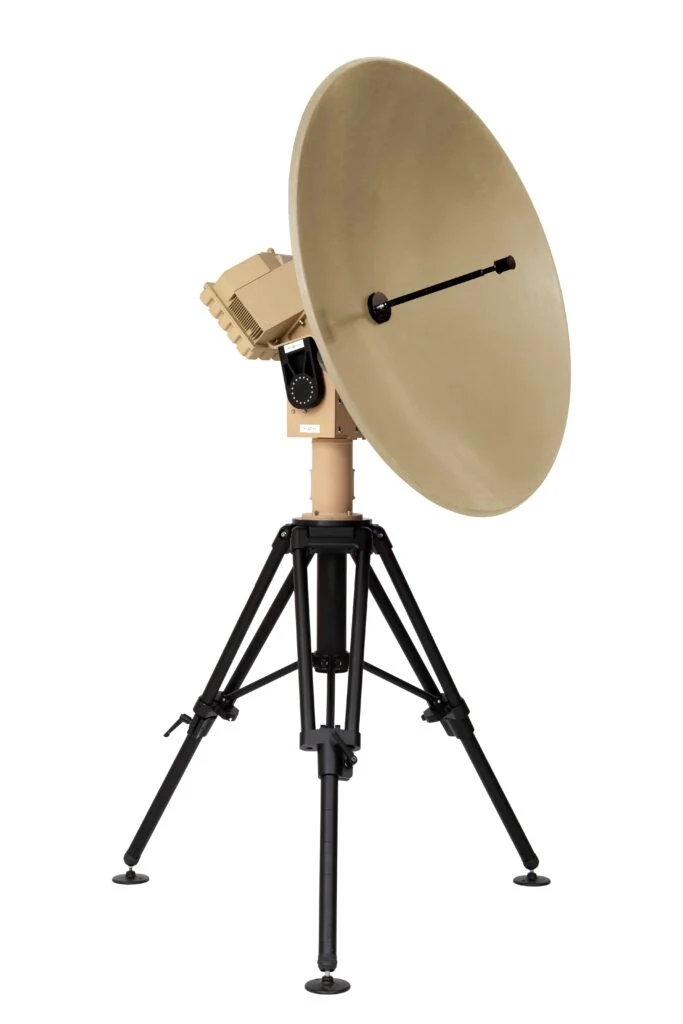
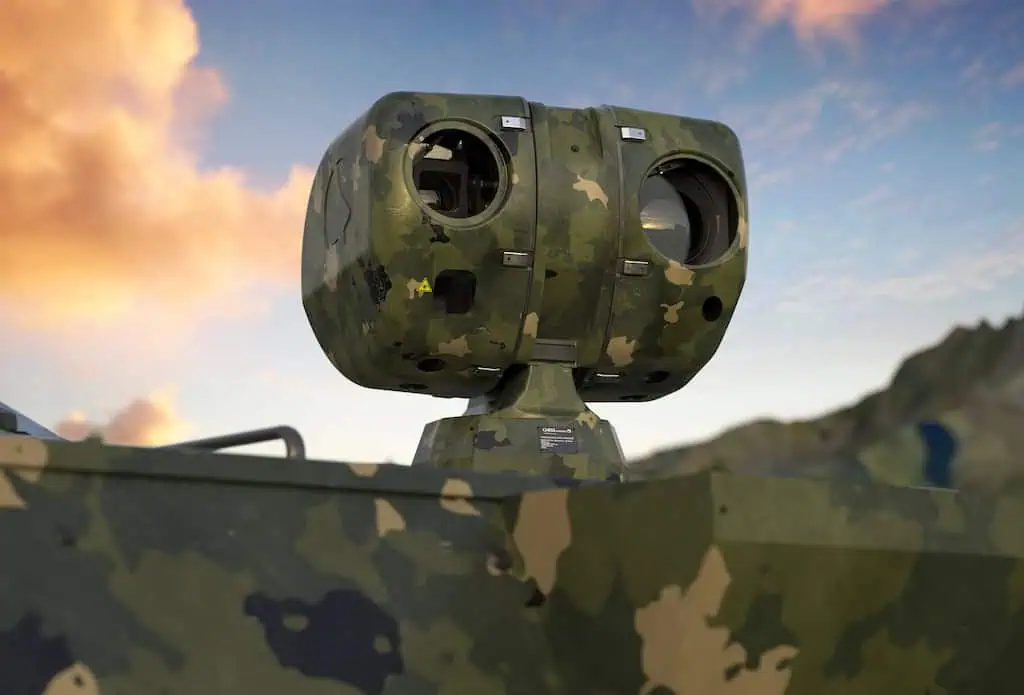
Hawkeye systems offer comprehensive 24/7 surveillance and target identification across a wide array of operational scenarios, benefiting from dynamic direct-drive positioners, high-definition sensors (thermal and daylight), high-performance laser range finders, and integrated tracking capabilities.
Our equipment seamlessly integrates into end-user battle management systems through digital architecture and is compatible with various combat systems. Key features include target classification, video tracking, analytics, image processing, video recording, georeferencing, and ruggedized processing.
Hawkeye EOSS-D (Electro Optical Surveillance system – Digital): A robust surveillance and reconnaissance system that can be installed in fixed locations or mounted on vehicles.The EOSS-D’s digital framework supports the latest thermal imaging and TV camera sensors, along with chess’s advanced tracking and target classification algorithms, providing operators with superior situational awareness.
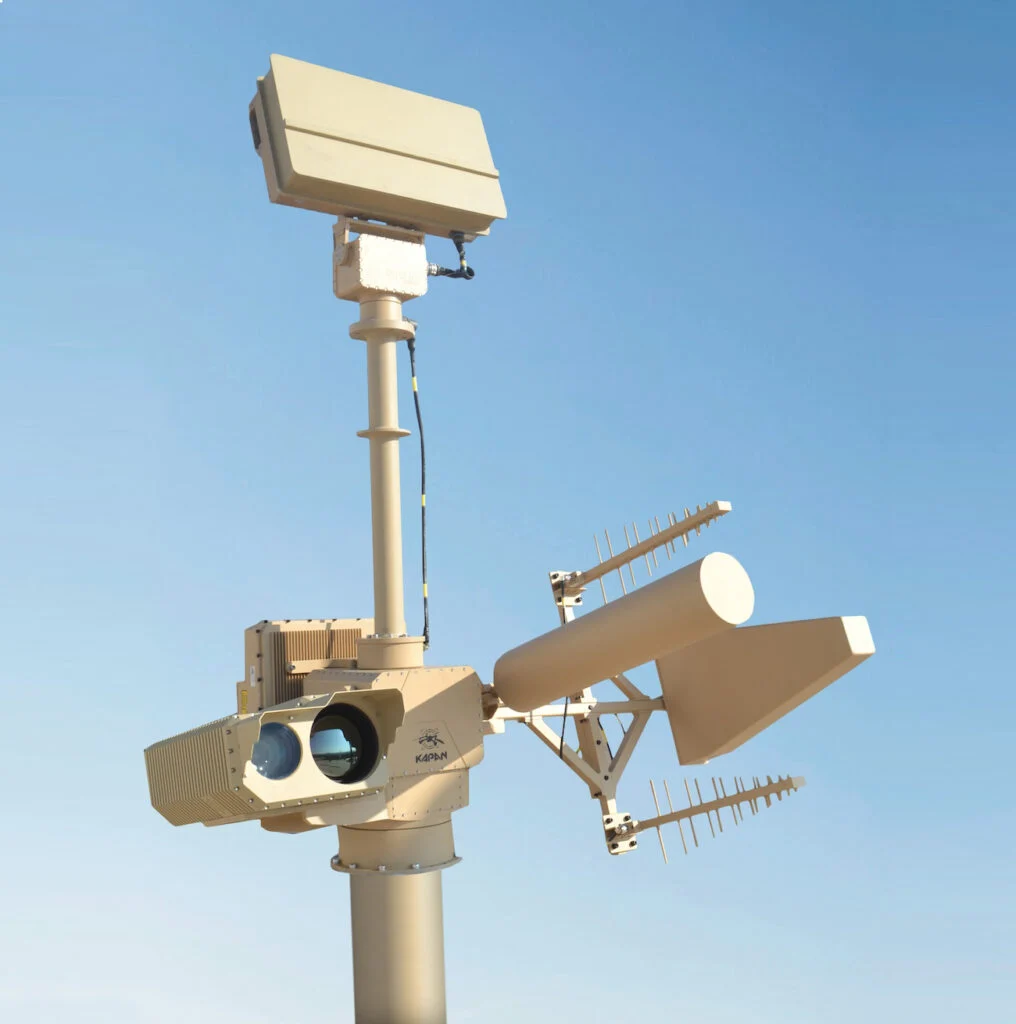
Hawkeye Air Defense (AD): This system delivers an integrated fire control solution for various ballistic effectors. It features high-definition thermal and daylight TV sensors, paired with a high-performance laser range finder, all mounted on a dynamic direct-drive positioner.With an integrated tracker, Hawkeye AD provides precise 3D coordinates for both aerial and surface targets, suitable for both fixed and mobile platforms.
Hawkeye Multi Sensor (MS): Chess’s latest electro-optical solution for land applications, building on the proven Hawkeye Vehicle System for long-range detection and continuous target observation. Designed for easy installation, this system can be integrated onto any tracked or wheeled vehicle and is adaptable for both fixed and mobile setups. It’s modularity allows for additional payloads and incremental technology upgrades, enhancing its capabilities for mission-specific configurations.
Hawkeye Counter-UAS (C-UAS)
The counter-unmanned aerial systems (C-UAS) sector is rapidly advancing to tackle the escalating threats posed by drones, which have increasingly contributed to casualties in combat zones, jeopardized critical national infrastructure, and been utilized in gray zone operations.
From protecting airports and vital infrastructure to securing military operations and public gatherings, these cutting-edge technologies are at the forefront of contemporary security. C-UAS systems can detect, track, and neutralize the risks associated with drones, ensuring the safety of both airspace and ground personnel. These systems employ various techniques to counter unauthorized drones, including jamming, spoofing, kinetic interceptors, and directed energy weapons.
1. Detection Technologies
-
Radar
: Utilizes radio waves to identify and track drones, providing data on their range, speed, size, and direction.
-
radio Frequency (RF) Scanners
: Detect the interaction signals between a drone and its operator, facilitating identification and tracking.
-
Electro-Optical and Infrared (EO/IR) Cameras
: Provide visual and thermal imaging for drone detection and tracking, especially crucial in low visibility conditions.
-
Acoustic Sensors
: Detect the sounds produced by drone motors and propellers, aiding in drone identification and location.
2. Mitigation Technologies
-
Jamming
: Disrupts the communication link between the drone and its operator by emitting RF signals, causing the drone to loose control and potentially land or return to its origin.
-
Spoofing
: Sends false GPS signals to mislead the drone about its location, causing it to deviate from its intended path.
-
Kinetic Interceptors
: Utilize physical methods such as nets and projectiles to capture or destroy drones.
-
Directed Energy Weapons
: Employ high-energy lasers or microwave systems to disable drones by damaging their electronics or sensors.
3.Integrated Systems
-
Command and Control (C2) Systems
: Integrate data from various sensors and coordinate responses to drone threats, ensuring a cohesive and effective defense strategy.
-
Artificial Intelligence (AI)
: Enhances detection and tracking capabilities by analyzing patterns and predicting drone behavior, improving accuracy and response speed.
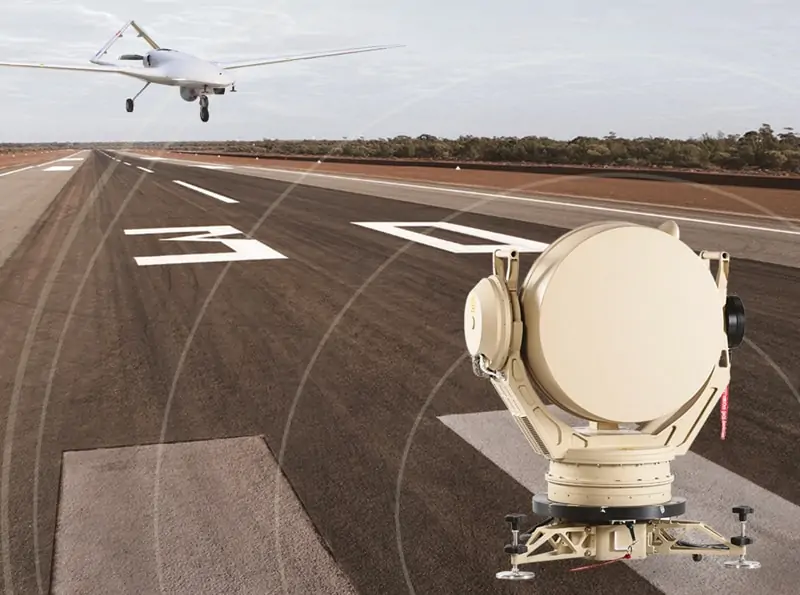
Chess Dynamics has developed C-UAS technology that detects, identifies, tracks, and neutralizes UAS involved in hostile surveillance and malicious activities. The system employs a combination of advanced cognitive radars, electro-optical sensors, and directional RF detection to provide comprehensive situational awareness.
This system integrates a smart-sensor and solution-agnostic effector package, equipped with advanced AI capabilities for target identification, classification, and tracking.
Future Perspectives
The landscape of GBAD and C-UAS is rapidly transforming to meet increasingly complex threats and operational environments. These advancements are driven by the necessity to counter sophisticated threats and the proliferation of low-tech, easily deployable drones, ensuring that air defense systems remain effective in a fast-evolving technological landscape. Chess Dynamics’ solutions include:
-
Modular and Integrated Systems
: future GBAD systems will be highly modular, allowing for the integration of various components such as sensors, effectors, and command and control units. This modularity enhances flexibility and interoperability among NATO and allied forces.
-
Advanced Detection and Tracking
: Enhanced radar and sensor technologies are being developed to improve the detection and tracking of a wide range of aerial threats, including drones, missiles, and aircraft. These advancements are crucial for early warning and effective response, and Chess Dynamics’ designs can incorporate these innovations as they emerge.
-
Artificial Intelligence and Automation
: AI and machine learning are increasingly automating threat detection,identification,and response. These technologies can process vast amounts of data rapidly,enhancing decision-making and reducing the time from detection to action. AI and machine learning are being integrated into C-UAS systems to improve detection, identification, and response capabilities, enabling real-time decision-making and enhancing threat mitigation accuracy.
-
Collaborative Defense Networks
: future air defense strategies will involve collaborative networks where multiple systems and platforms work together seamlessly. This networked approach enhances situational awareness and allows for coordinated responses to threats across operational areas.
-
Directed Energy Weapons
: The progress of directed energy weapons,such as high-powered lasers and microwave systems,is a meaningful trend. These solutions are advancing rapidly and will be capable of disabling or destroying drones and aerial platforms without traditional ammunition, offering a cost-effective and scalable option.
-
Smarter Sensor Clusters
: advances in sensor technology are leading to the deployment of smarter sensor clusters that can more effectively detect and track drones by combining radar, optical, and acoustic sensors for comprehensive coverage and improved detection accuracy.
Empowering the Military for Future challenges
chess Dynamics is dedicated to equipping our land-based military clients to operate more intelligently and adapt to unforeseen future threats. we recognize the growing need for data analysis and support our land-based customers through advanced (HD) sensors,machine learning,AI,and sensor fusion. Our intuitive human-to-machine interfaces empower operators to navigate complex scenarios effectively.
We combine three decades of expertise in defense technology with innovation to deliver modular and integrated solutions that leverage cutting-edge technology. recently,Chess launched Deep Embedded Feature Tracking (DEFT),an advanced real-time video tracking capability that ensures accurate tracking in complex environments.
DEFT employs a deep learning approach to create a comprehensive model of tracked targets, enabling the system to accurately locate dynamic objects and reliably reacquire them after periods of occlusion. This technology enhances our AI-driven target detection and tracking capabilities, integrating with neural network-based object detection and classification for various targets, including multi-rotor drones, vessels, and land vehicles.
As tracking progresses, the model is continuously refined to improve its understanding of the target, resulting in precise long-term tracking performance. accurate classification allows the system to leverage automation for threat prioritization and alerts, while also generating robust analytics data for informed decision-making.
there is immense potential for further innovation in advanced technologies for GBAD; Chess has already played a pivotal role in this evolution and will continue to do so by utilizing AI to enhance operator and system performance.
Chess remains committed to delivering leading-edge technology to safeguard what our clients value most: strategic assets, critical national infrastructure, borders, and, most importantly, their personnel.
For further details on Chess Dynamics’ latest innovations, please visit the company’s website.