

innovative Approaches to Ecological Restoration Using lidar and GIS
Blue Marble Geographics explores the role of advanced LiDAR and GIS technologies in ecological restoration efforts.
In a recent episode of the GEOTalks Podcast, Dr. Arturo Sanchez-azofeifa discusses how his research team is utilizing LiDAR data alongside Global Mapper® to investigate secondary tropical dry forests in Costa Rica, an ecosystem vital for biodiversity and climate adaptation.
This research is conducted within the Guanacaste Conservation area of Santa Rosa National Park, where years of deforestation have led to forest recovery through a natural process known as secondary succession.While these rejuvenated landscapes are teeming with biodiversity, they present considerable challenges for traditional field monitoring. By employing remote sensing technologies, Dr. Sanchez-Azofeifa’s team has created non-invasive, scalable techniques to map forest structures and monitor ecological indicators effectively.
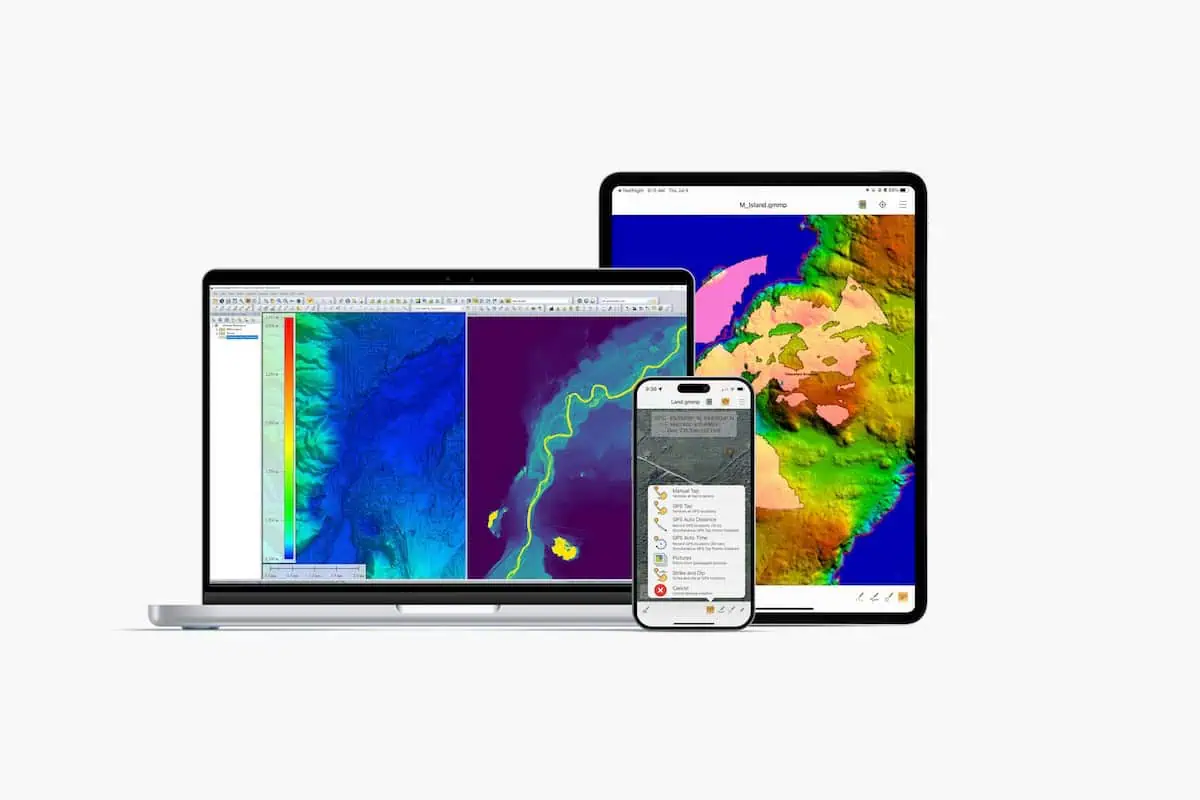
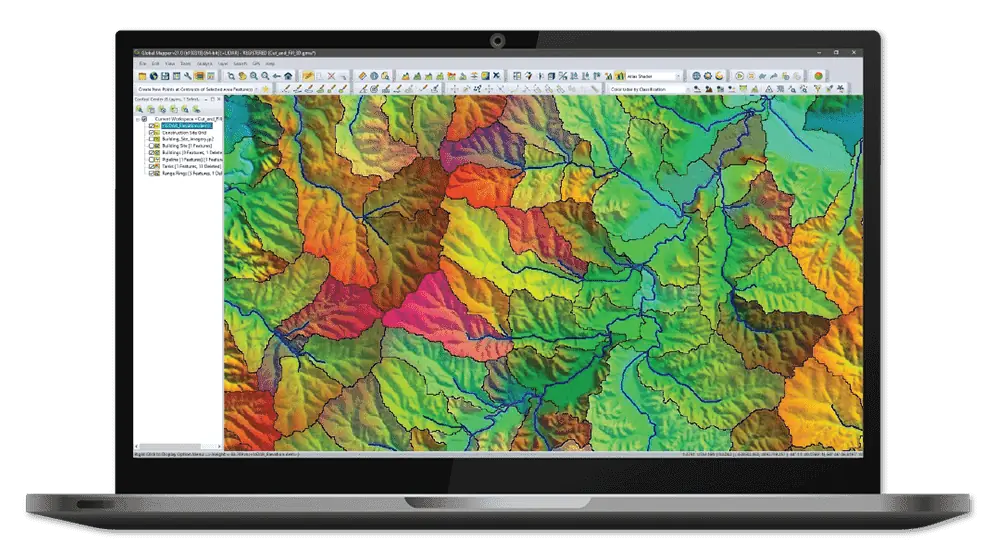
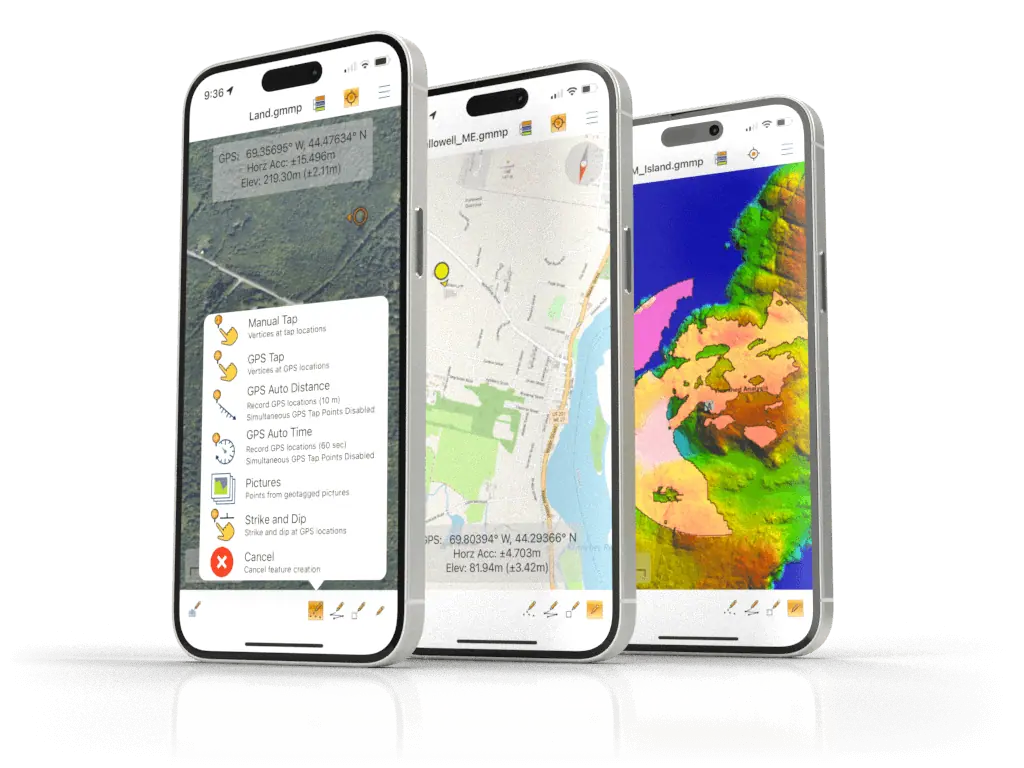
Central to this innovative approach is Blue Marble’s Global Mapper® and its LiDAR Module, wich facilitate the visualization, classification, and analysis of high-resolution point cloud data.
During the podcast, Dr. Sanchez-Azofeifa elaborates on how his team employs these tools to detect alterations in forest canopy, differentiate specific vegetation types such as lianas (woody vines), and tackle the environmental complexities associated with tropical terrains.
He also addresses the practical aspects of conducting ecological research, including time limitations, unpredictable weather conditions, and the necessity for swift and accurate data visualization. Thanks to LiDAR’s capability to penetrate dense canopies and Global Mapper’s sophisticated processing features, researchers can now identify and document regeneration patterns that would remain hidden using conventional field methods.
For further insights into this project and Blue Marble Geographics’ advanced GIS solutions, check out the article “Exploring Secondary Tropical Dry Forests with LiDAR technology.”
Listen to the Podcast here: