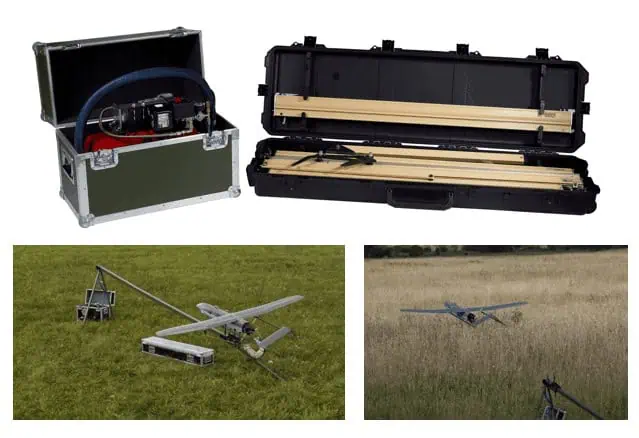
Edge Autonomy has unveiled an enhanced iteration of its Penguin C small tactical UAS (unmanned aerial system). The mk 2 variant has successfully completed its validation flight tests, and shipments to clients are now in progress.
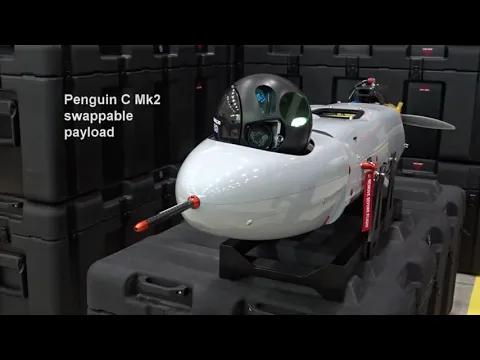
The Penguin C Mk2 is offered in both Group 2 and Group 3 UAS configurations, boasting improvements over its predecessor in terms of payload capacity, operational endurance, and various other features. It is indeed designed to accommodate payloads with a diameter of up to 8 inches and a maximum weight of 4 kg. A standout feature is its innovative swappable nose design, enabling rapid field replacement of payloads in mere seconds. Additionally, the payload bay is equipped with an integrated motor that enhances roll stabilization and safeguards the payload during recovery. this aircraft is compatible with Edge Autonomy’s full suite of advanced Epsilon gimbal-stabilized payloads, and users can seamlessly integrate their own custom sensors.
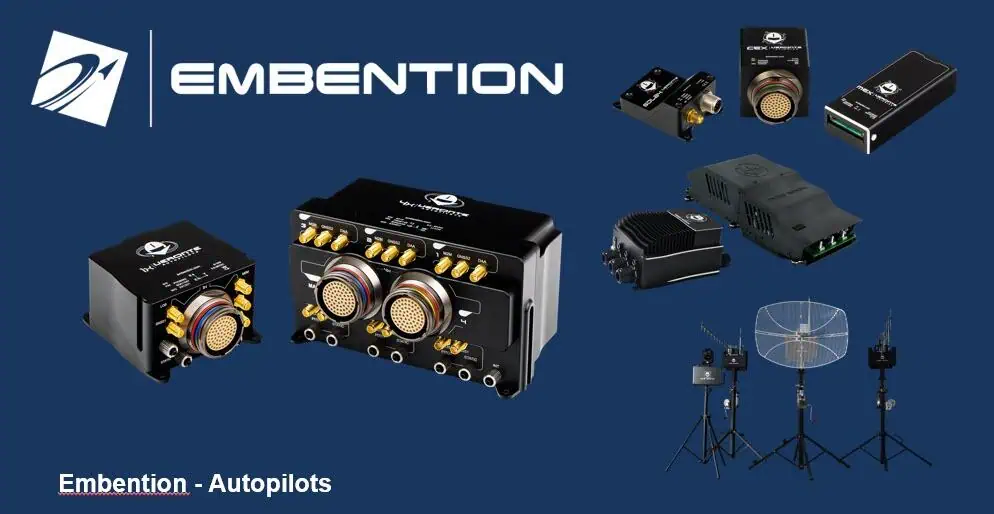
The upgraded UAS is capable of functioning in GPS-denied environments and employs cutting-edge Silvus Technologies 2×2 MIMO datalinks, achieving a radio link range exceeding 120 kilometers. It includes advanced capabilities such as mesh networking, beamforming, encryption, an integrated spectrum analyzer, and interference mitigation. A datalink interference cancellation feature is also available for customers in the United States.
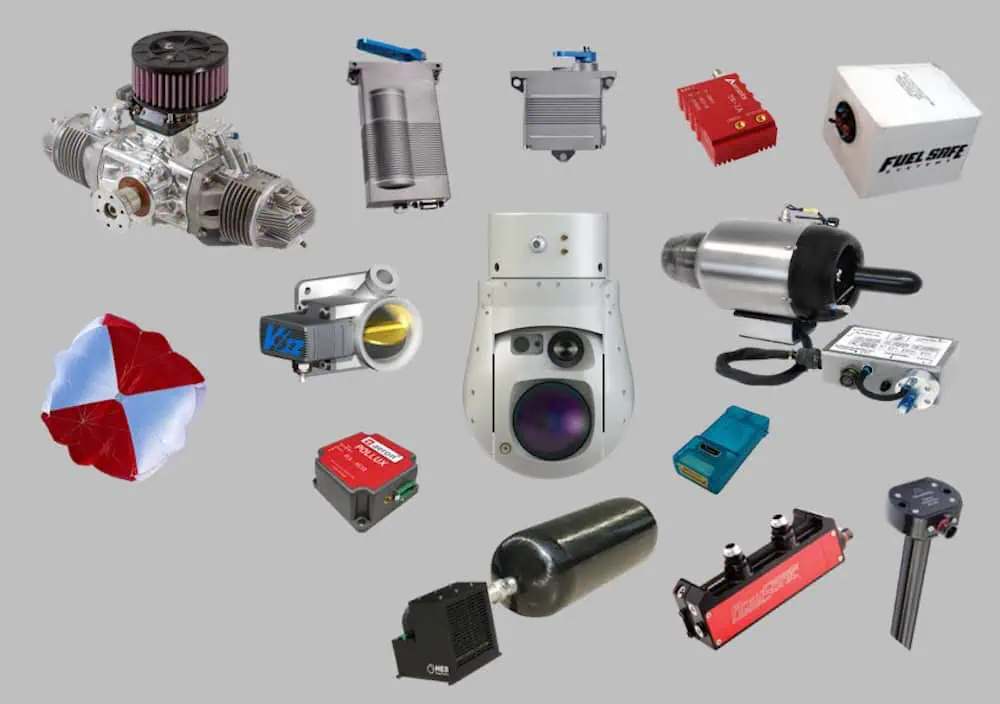
Significant enhancements have been made to the propulsion system of the Penguin C Mk2, featuring a high-reliability 28cc EFI (electronic fuel injection) engine paired with a new fuel pump system. This engine is now capable of continuous operation in ambient temperatures exceeding 55° C.
The video below showcases the swappable payload system of the Penguin C Mk 2 UAS: