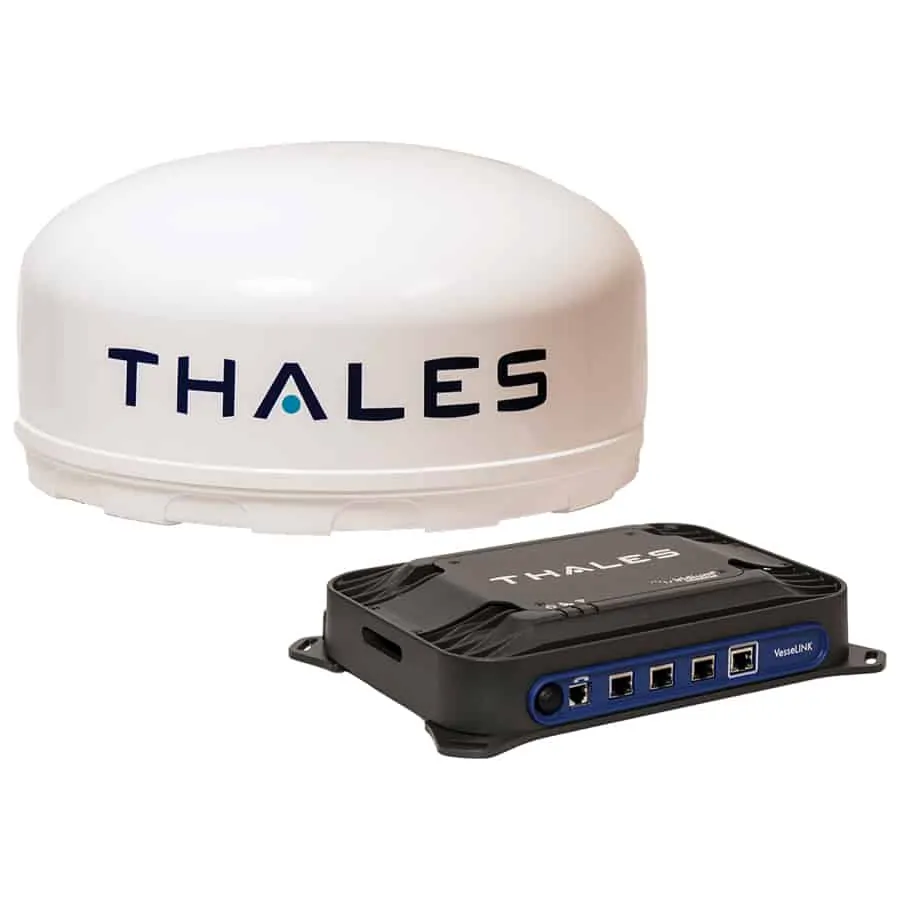


Iridium Communications Unveils the Advanced Iridium Certus 9770 Transceiver
Iridium Communications has introduced its latest innovation, the Iridium Certus 9770 transceiver, which boasts an extraordinary data transfer rate that is over 35 times quicker than previous models. This cutting-edge device not only enhances data transmission but also facilitates high-quality voice communication. Operating within the L-band spectrum, it offers speeds between 22 Kbps and 88 Kbps, making it ideal for a variety of applications, including drones, robotic systems, and Internet of Things (IoT) devices.
Beta Partners Pioneering New Developments
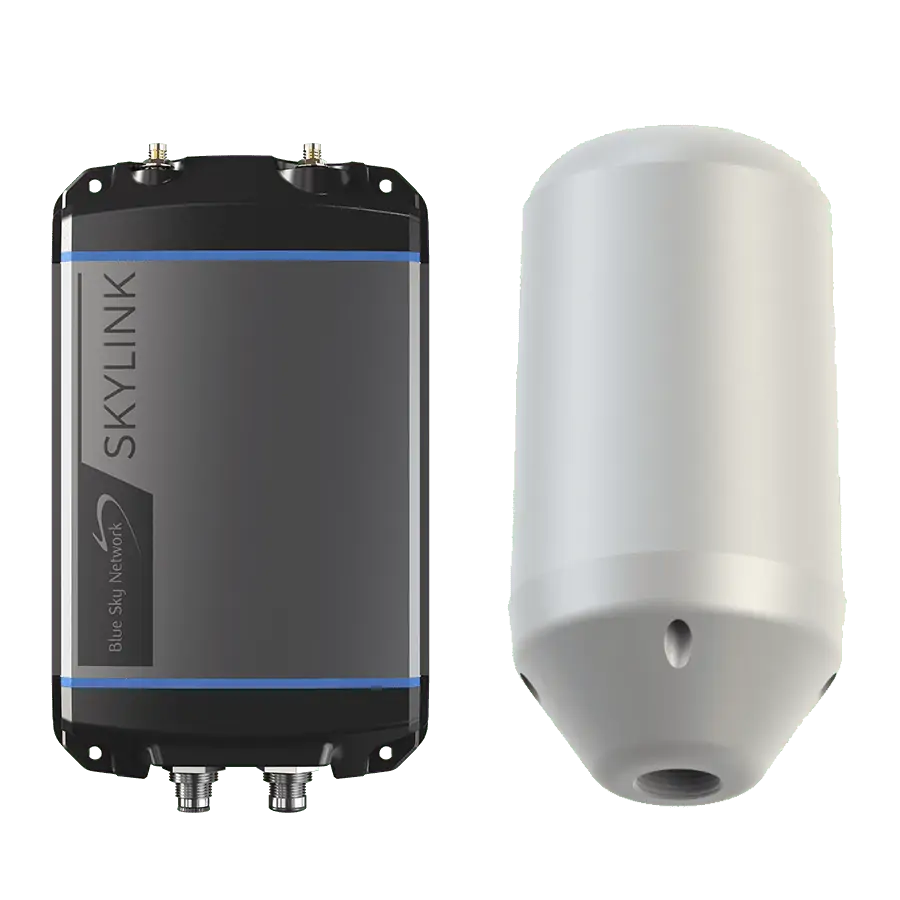
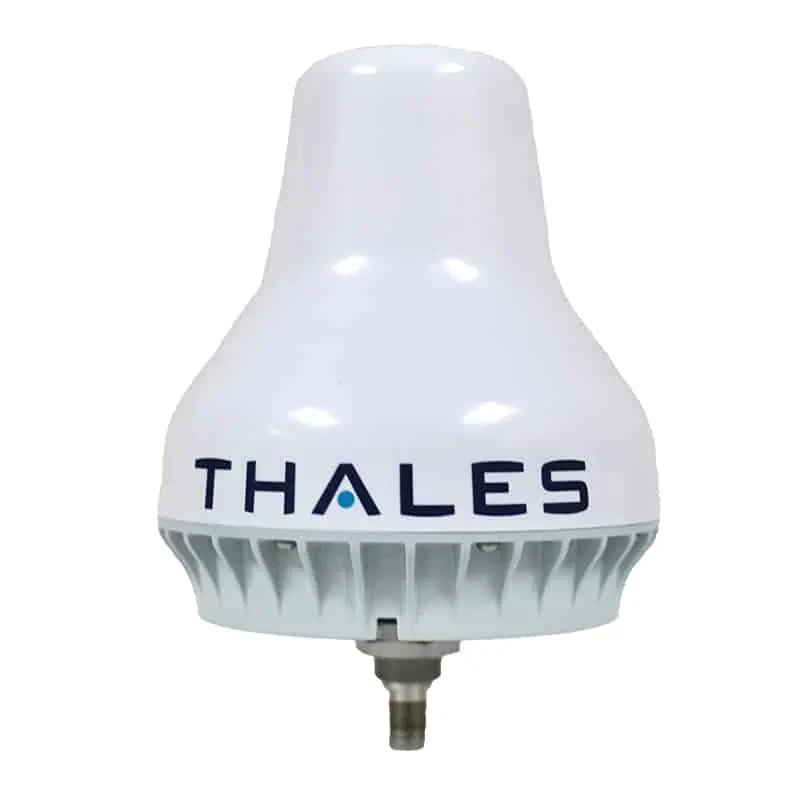
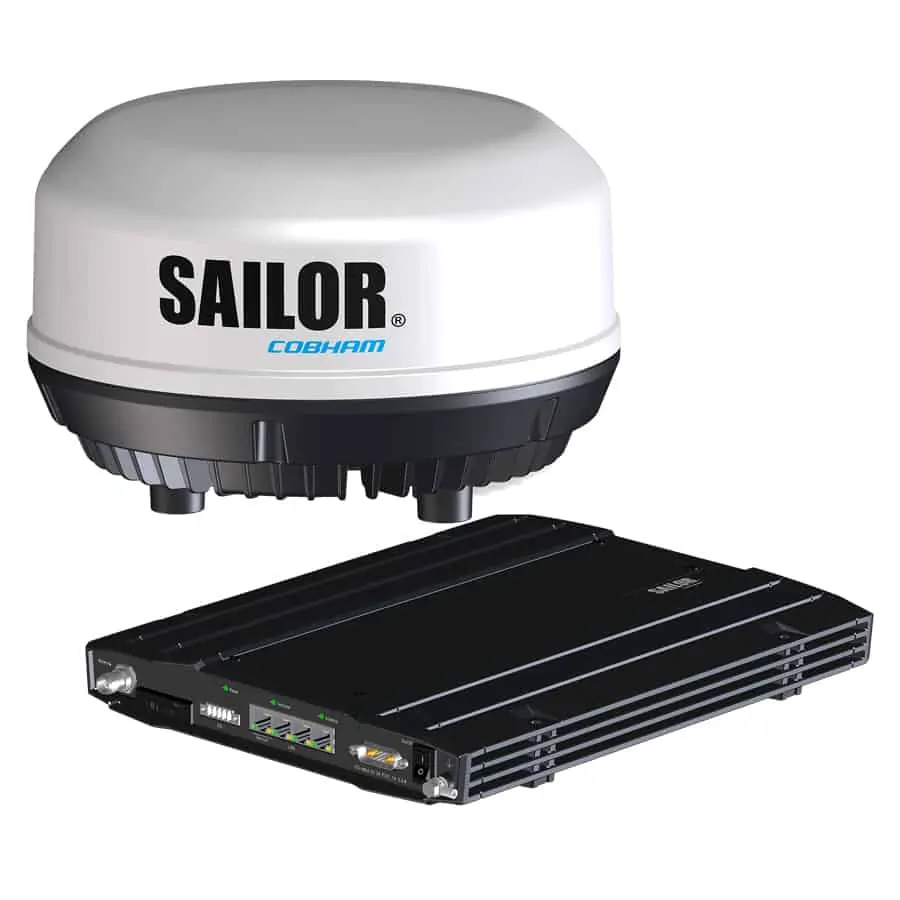
The initial phase of product growth is already underway, with ten approved beta partners actively testing the Iridium Certus 9770. These partners include notable companies such as Beam Communications Pty. Ltd., Blue Sky Network, Cobham, Lars Thrane, Marine Instruments S.A., McQ Inc., NAL Research Corporation, SkyTrac Systems Ltd.,Telespazio,and Wireless Innovation. Following the completion of this testing phase, the transceiver will be accessible to a broader range of Iridium-licensed technology and distribution partners.
A New era in Satellite Communication
Matt Desch, CEO of Iridium, remarked, “This innovative device marks a pivotal change in the landscape of small-form-factor satellite communication technology. These solutions are not only highly mobile and cost-effective but also incorporate native IP technology that supports genuine internet access,email,high-quality voice calls,and even the transmission of photos and videos. Coupled with our extensive global coverage, we are establishing a reliable and economical ecosystem of new products within a unique midband speed class that is unprecedented in the satellite industry.”
Empowering Partners with Versatile Technology
Iridium is harnessing its foundational technology,particularly the new iridium Certus platform,to empower its partner network in creating innovative products and applications. The Iridium Certus platform offers the adaptability to adjust device speeds, sizes, and power requirements according to user demands. This adaptability will enable the development of more compact and mobile technologies, such as unmanned aerial vehicles (UAVs), which will benefit from faster data transfer rates and improved telemetry capabilities.