


LiveU has joined forces with gNext, a leading AI-powered photogrammetry platform focused on asset inspection and management, to improve the efficiency of remote data collection and transmission.
This partnership enables gNext users to utilize LiveU’s IP-bonded connectivity, facilitating the seamless transfer of drone-acquired data to the gNext platform, irrespective of location or WiFi availability.
The LiveU LU-REQON1, part of the company’s Situational Awareness suite, ensures reliable connectivity for the swift transfer of data into the gNext platform. This capability is crucial for first responders, utility providers, architecture, engineering, and construction (AEC) firms, goverment entities, and more, allowing them to transmit data promptly after capturing images and videos.
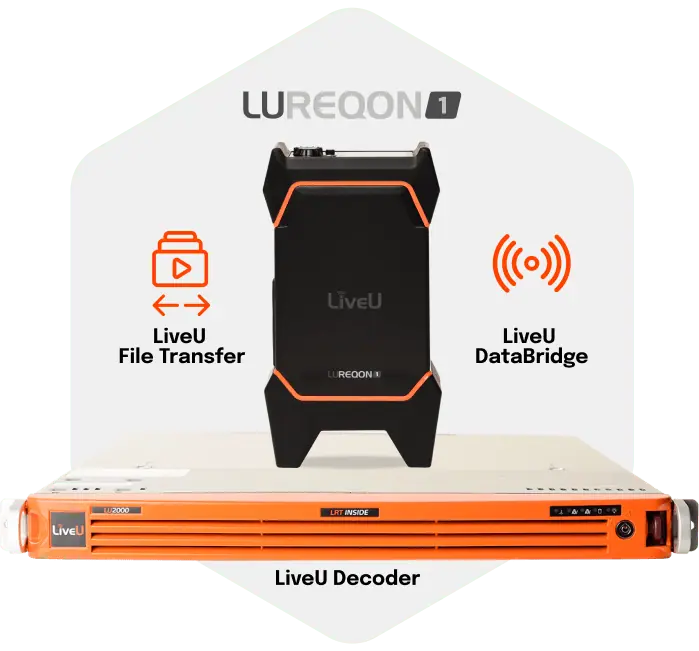
With the File Transfer feature,organizations can conveniently move large files from SD cards or USB drives to their operational centers or back offices directly from the field.The device can achieve upload speeds of up to 100Mbps, utilizing available cellular, WiFi, satellite, or wired internet connections.
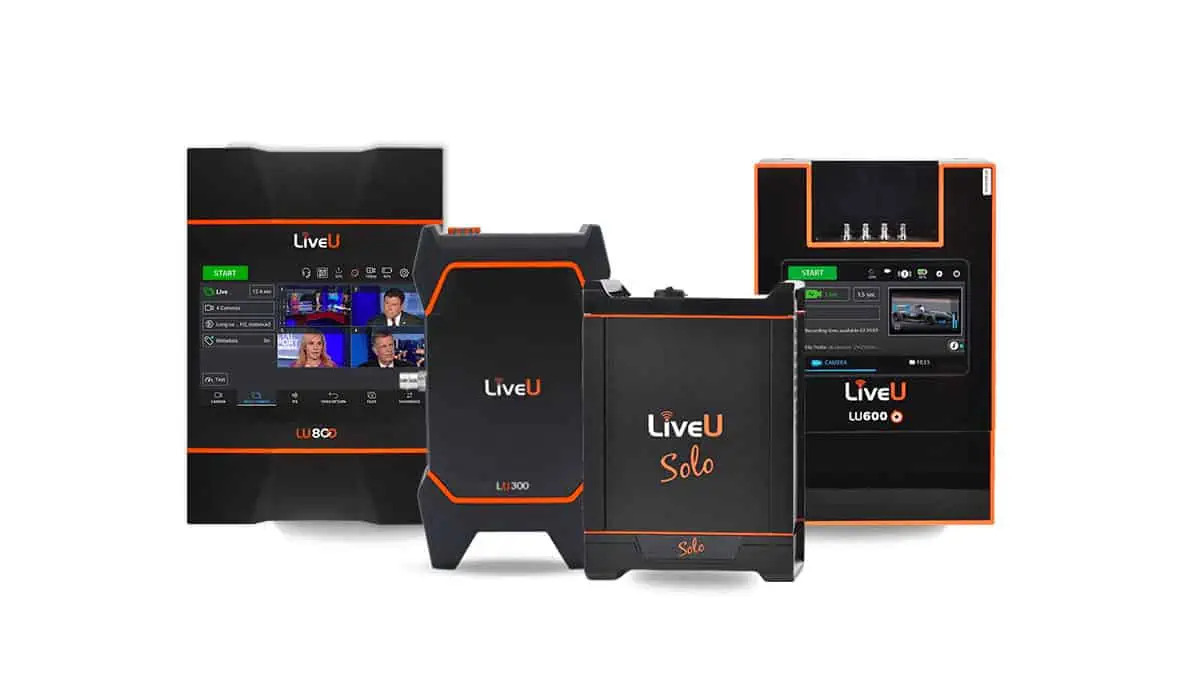
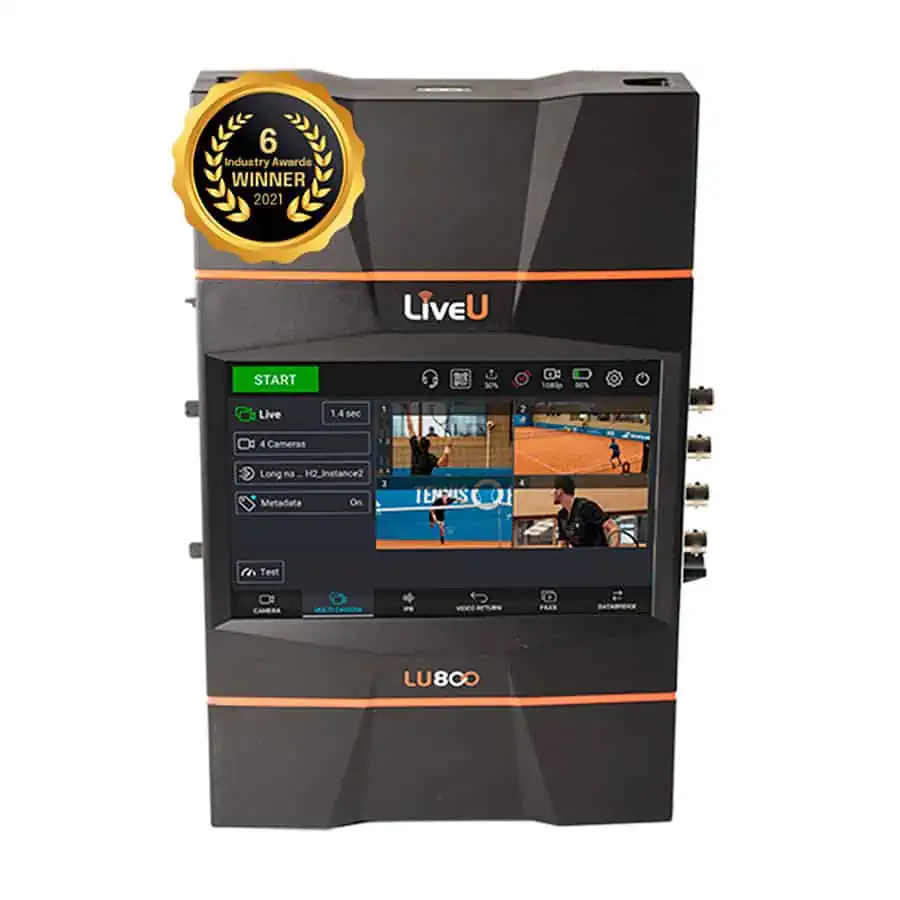
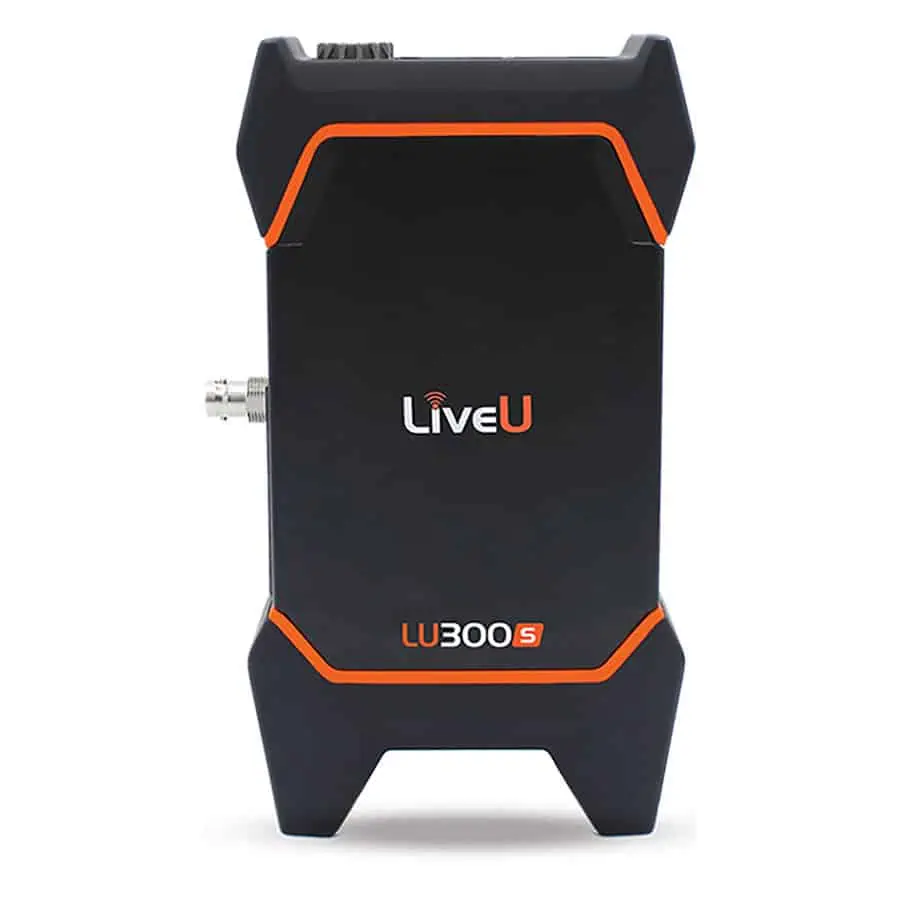
Weighing under 2lbs (955g), the LU-REQON1 is a self-powered portable unit that securely transmits real-time video from various IP-video sources, including IP cameras, sensors, drones, or remote sensor platforms, to any chosen destination wirelessly.
This field unit employs LiveU’s patented Reliable Transport (LRT™) IP-video protocol, which enables video and data transmission over a wide array of IP links, including Starlink and other Low Earth Orbit (LEO) satellite solutions, effectively bonding them to create a secure and robust connection with a paired receiving server.
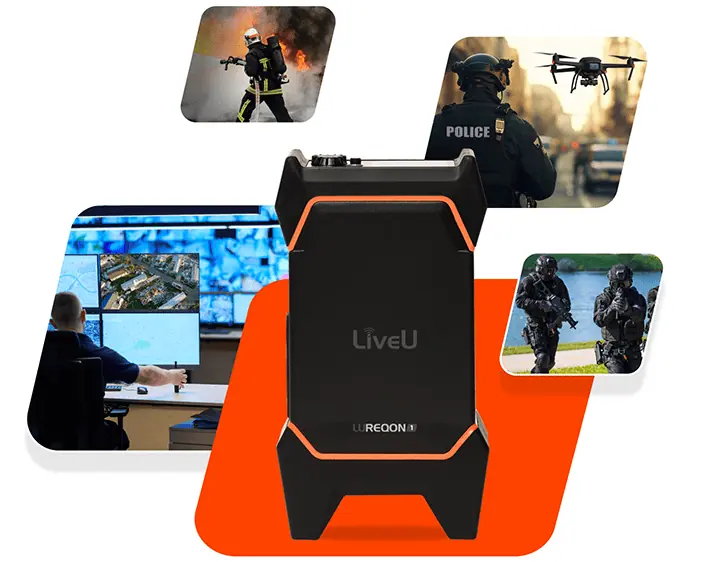
Perfect for applications in photogrammetry, wildfire surveillance, and infrastructure assessments, the LiveU LU-REQON1 guarantees that essential data, such as 3D mapping files, is transmitted quickly and securely.
The Significance of Remote Data Collection
Remote data collection plays a vital role for engineers, asset inspectors, and surveyors across various sectors, including geotechnical and environmental infrastructure, transportation, utility services, construction, and more.
However, challenges often arise when infrastructure sites are situated in remote or rural areas with limited access to reliable broadband, wifi, cellular coverage, or network bandwidth. This can force inspectors to postpone data uploads until they return from the field, potentially delaying projects by days or even weeks. In many instances, the data collected is critical—such as 3D scans of cell towers, bridges, and transmission lines—demanding immediate attention.
Joseph Yaker, LiveU’s Director of Public Safety, stated, “The dependability of LiveU for connectivity and expedited file transfers, combined with the high-quality 3D models from gNext, provides a clear and accurate overview of situations, enabling rapid resolutions for mission-critical projects. Furthermore, the ability to access hard-to-reach areas and share content in real-time saves clients both time and resources, as traditional data collection methods could delay actions by hours or even days.”
For clients like the Alabama Department of Transportation, this collaboration has reportedly optimized the limited time available for drone pilots to capture and process data for actionable insights.
JD D’Arville,UAS Program Administrator at the Alabama Department of Transportation,remarked,“Distributing data to our end users is straightforward. It’s crucial for the UAS team to deliver data to our users and decision-makers as quickly and accurately as possible.”