

LiveU File Transfer tackles a meaningful operational hurdle in drone-assisted public safety and infrastructure operations: the urgent need to swiftly transmit substantial data volumes to facilitate quicker, more informed decision-making.
Drones have become indispensable for data gathering in emergency situations, law enforcement, and inspection activities. However, the transfer of high-resolution files often presents a considerable bottleneck.
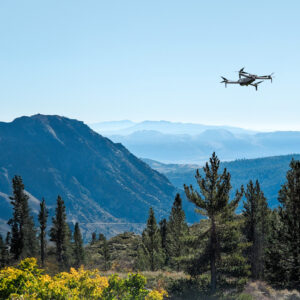
Skydio drone deployed in a rural setting to assess infrastructure following a natural disaster. LiveU File Transfer enables real-time transmission of large files captured by the drone to a command center for immediate review. Photo credit: Skydio
Drones typically generate files ranging from 10 to 70 GB,encompassing video,images,and scans.In traditional workflows, operators often need to return to a command center or wait for sufficient bandwidth to upload these files, leading to delays that can last for hours. This not only slows down analysis but can also impede critical decision-making.
Such delays are not merely inefficiencies; they can significantly impact the ability to respond promptly when every second counts.
Limitations of Traditional Workflows
Drone teams frequently face the challenge of finding reliable Wi-Fi or must physically return to base stations to initiate file uploads. As an example, transferring a 50 GB dataset can take several hours, resulting in operational downtime and delayed coordination, especially during active response or assessment missions.
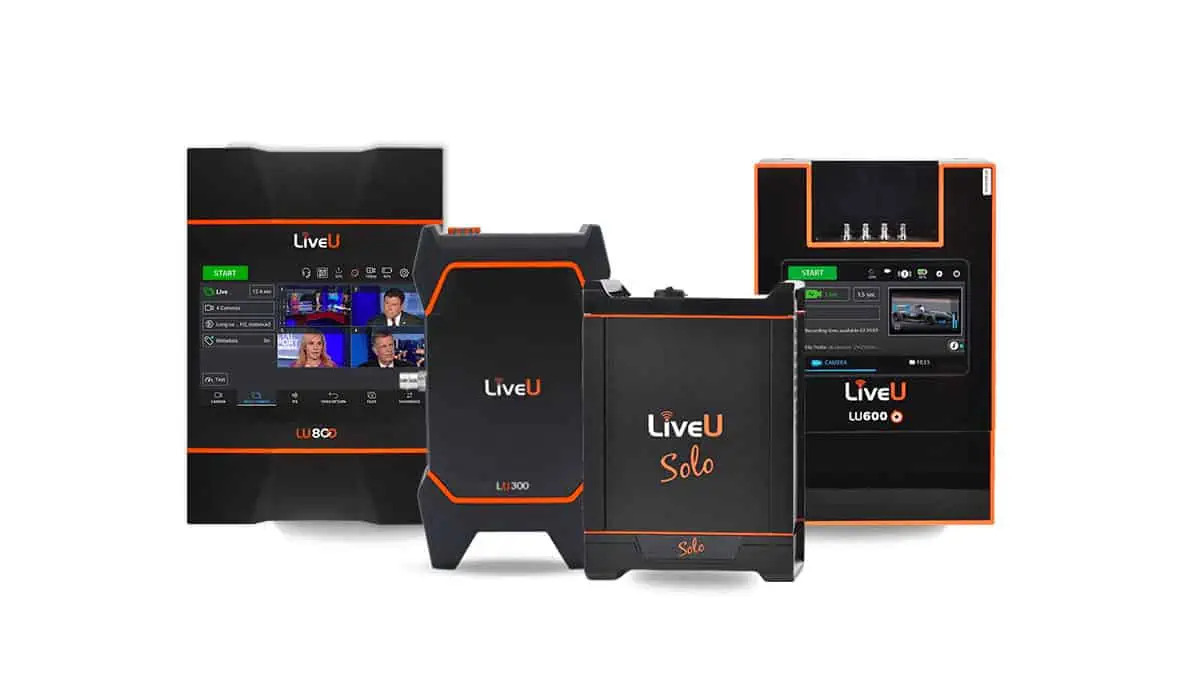
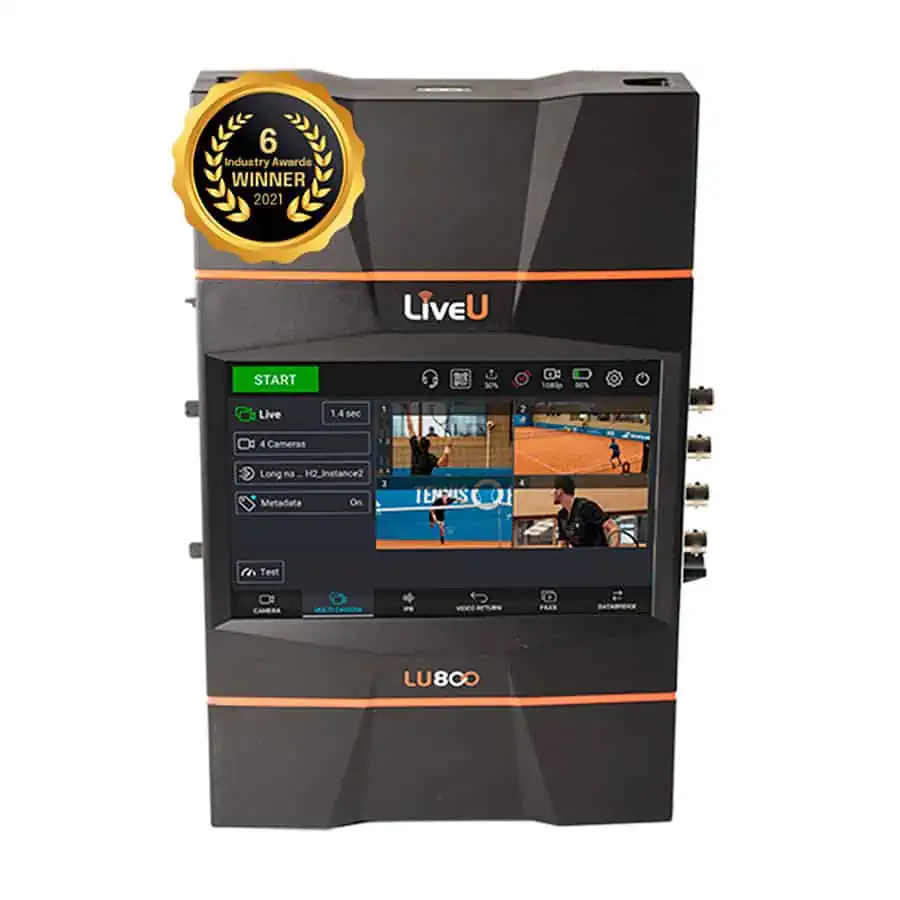
LiveU File Transfer mitigates these delays by allowing uploads to commence immediately upon landing, utilizing available cellular networks, Wi-Fi, and Low Earth Orbit (LEO) satellite connections like Starlink. The system can achieve upload speeds of up to 100 Mbps through a field encoder, often completing transfers before teams reach their next destination. This minimizes the risk of file loss and ensures continuous operations without extended interruptions.
Versatile Transfer Solutions for Diverse Data Requirements
LiveU File transfer offers two operational modes to meet various mission needs:
- Uncompressed Transfer: Delivers high-resolution files for in-depth analysis where full image and video quality is crucial.
- Compressed Transfer: Enhances upload speed while retaining essential metadata for mapping and modeling applications like Pix4D or gNext.
Operators can concurrently stream live video during flight using LiveU systems while recording high-resolution files. Once the drone lands, file transfers begin immediately, even in areas with unstable connectivity. The system is engineered to buffer during signal interruptions and automatically resume uploads once a connection is restored.
In scenarios such as reconstructing road traffic accidents, drones gather extensive multi-angle footage. Law enforcement utilizes these files for documentation and modeling. Compressed workflows facilitate the timely transfer of this data. Similarly, in search and rescue missions, drones equipped with thermal imaging can locate individuals in challenging terrains. Rapid data uploads post-landing enable teams to evaluate coverage and make swift decisions.For crime scene investigations, high-resolution, GPS-tagged media is vital for creating accurate records.
minimizing the time between data capture and analysis fosters quicker and more effective decision-making.
Impact on Infrastructure and Asset Oversight
In addition to emergency response, real-time file transfer significantly enhances infrastructure inspections and construction monitoring. Drones are frequently employed for bi-weekly assessments of road construction sites, aiding project managers in tracking debris removal and verifying contractor activities.
For inspections of power lines, bridges, and cell towers, teams can leverage AI-driven analysis to swiftly identify issues such as damage, erosion, or electrical faults. On-site data uploads reduce delays and promote efficient decision-making across expansive geographic areas.
This capability diminishes the necessity for return visits and boosts operational efficiency, particularly when overseeing multiple remote sites.
Ensuring Operational Continuity in Challenging Environments
LiveU file Transfer is engineered to perform effectively in areas with limited or unreliable connectivity, including rural, urban, or post-disaster settings. By integrating various connection types—cellular, Wi-Fi, and LEO satellite—it guarantees that file transfers can proceed despite infrastructural challenges.
Maintaining a steady data flow under these circumstances is crucial for uninterrupted mission execution.
adaptable to Growing Operational Demands
As drone programs expand, their data needs and system integrations evolve. LiveU File Transfer features an open architecture, ensuring compatibility with existing systems while allowing for future platform integrations. It supports scalable workflows as operational requirements increase.
In contemporary drone operations, the emphasis is shifting from mere data collection to timely data request.Efficient file transfer is pivotal in bridging the gap between field data collection and actionable insights, ensuring that the right information is accessible when it matters most.
Read the original article >>