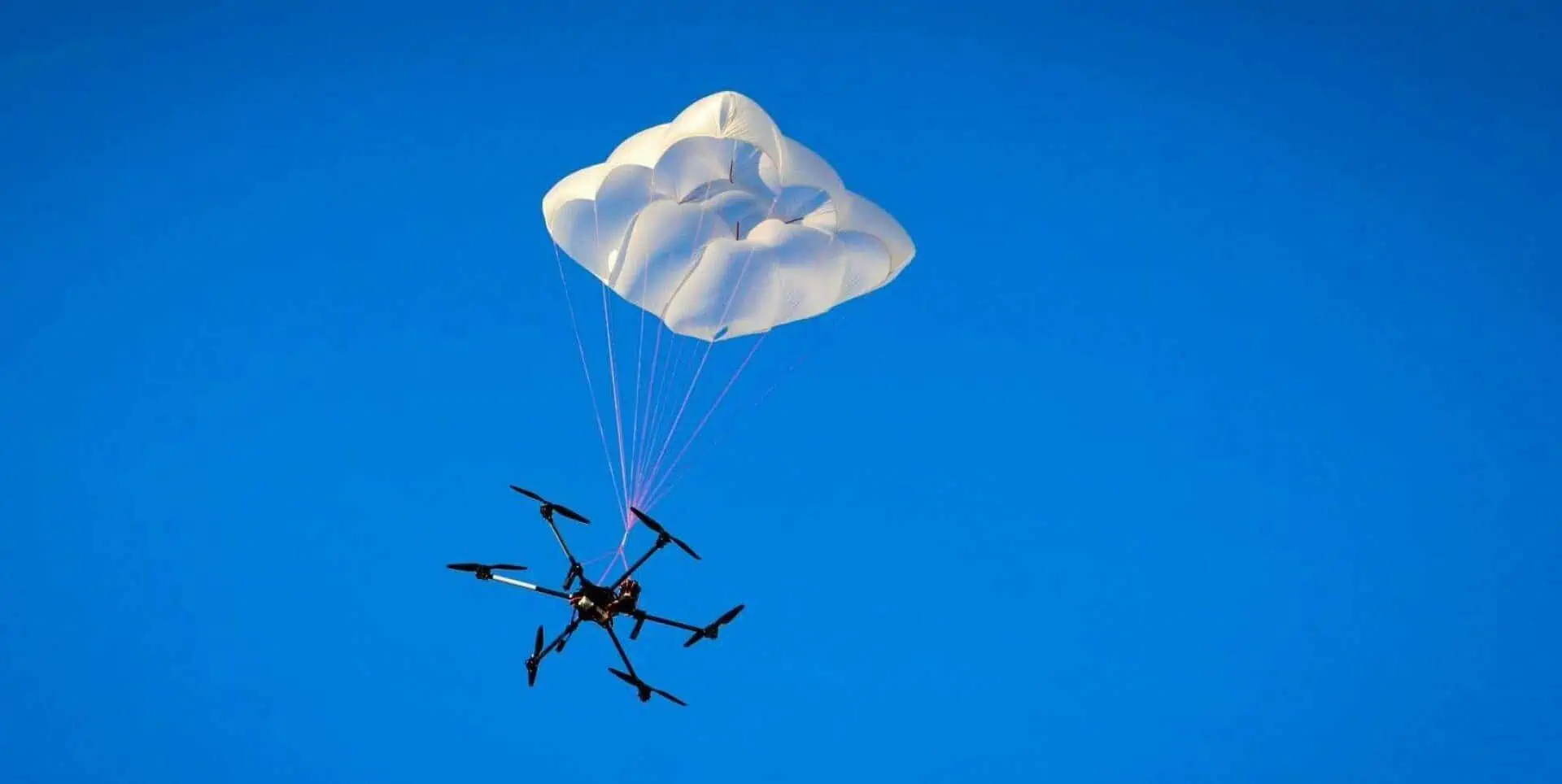

The Federal Aviation Management (FAA) is intensifying its enforcement of drone safety regulations, imposing fines that total in the hundreds of thousands. This article from D-Fend Solutions delves into the shifting regulatory framework, significant enforcement actions, the implications for drone operators, and the importance of counter-drone technology in safeguarding major events.
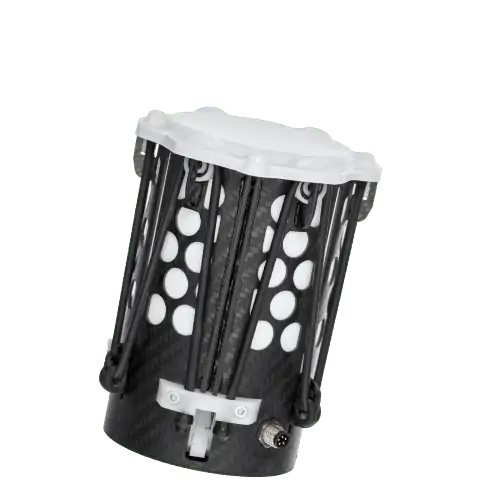
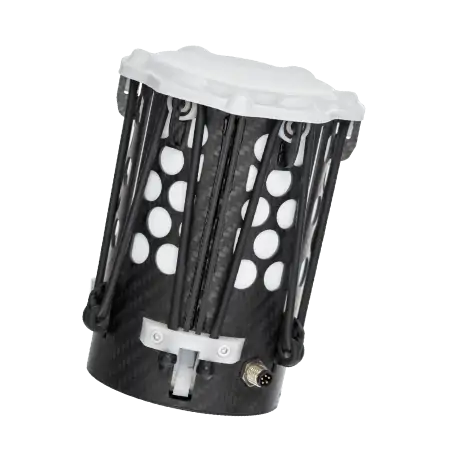
EnforceAir anti-drone system from D-Fend Solutions.
From October 2022 to June 2024, the FAA has proposed civil penalties exceeding $341,000. This assertive approach signals a strong warning: neglecting drone regulations can lead to severe repercussions.
Shifting regulatory Framework
The FAA Reauthorization Act of 2024 has introduced more stringent penalties for drone operators, highlighting the agency’s dedication to aviation safety:
-
Increased Fines: Maximum penalties for violations have risen to $75,000.
-
License Risks: Beyond financial penalties, the FAA now has the authority to suspend or revoke the licenses of drone operators.
-
Stringent Oversight: FAA Administrator Mike Whitaker stated, “Ignoring drone regulations jeopardizes airspace and public safety. Responsible operation is essential for unmanned flights.”
Significant Enforcement Actions
The FAA’s recent enforcement actions reveal a concerning rise in drone-related incidents that pose serious safety risks:
Interference with law Enforcement
in Wesley Chapel, Florida, a drone operator is facing a proposed fine of $32,700 for disrupting a sheriff’s helicopter during a search operation on September 22, 2021.
Security Breaches at Events
-
Miami Grand prix Formula 1, May 7, 2022:
An unauthorized drone entered restricted airspace, resulting in an $18,200 fine.
-
Super Bowl LVI,February 13,2022:
Two drone operators were fined a total of $20,000 for breaching airspace regulations at SoFi Stadium. -
NFL game at Paycor Stadium, January 15, 2022:
A fine of $7,760 was imposed for an unregistered drone flying within the stadium during a game.
Collision Hazards
A drone operator in Little Rock, Arkansas, was fined $5,000 for creating a potential collision risk with a helicopter on July 30, 2022.
Consequences for Operators and the Public
The surge in enforcement actions has significant implications:
-
Increased Compliance Requirements: Drone operators must ensure adherence to regulations to avoid hefty fines and potential license suspensions.
-
Advancements in Technology: The industry may see a push towards developing technologies that facilitate compliance, such as geofencing and remote identification systems.
-
Complex Insurance Landscape: Liability insurance for drones may become more complicated and costly, reflecting the increased risks and penalties.
-
Public Perception Shifts: Stricter enforcement could influence public views, leading to heightened expectations for safety and reliability in drone operations.
Importance of Counter-Unmanned Aerial Systems (C-UAS)
To effectively address unauthorized drone threats and prevent incidents at significant events, public safety agencies must adopt robust counter-unmanned aerial systems (C-UAS). These systems provide:
Early Detection
C-UAS can detect drones from considerable distances, allowing for prompt action.
Accurate Tracking
These systems can precisely locate and monitor drones, including their launch points and pilot locations.
Controlled Neutralization
Non-invasive methods can disable unauthorized drones without endangering people or property.
Enhanced Security Measures
Implementing C-UAS improves event security and fosters public trust.
The FAA’s intensified focus on drone safety violations highlights the necessity for responsible operation of unmanned systems. Operators must prioritize compliance, and the industry should continue innovating technologies that promote safe and reliable drone usage. by harmonizing innovation with safety, the drone industry can flourish while ensuring public safety.
For the complete article, or to learn more, visit the D-Fend Solutions website.