subc Imaging understands that the choice of a remotely operated vehicle (ROV) camera is crucial for prosperous underwater missions.Discover more >>
Weather for offshore energy assessments, marine biology studies, or underwater infrastructure evaluations, high-quality cameras are essential for gathering precise, actionable data in real-time.
For operators, system integrators, adn original equipment manufacturers (OEMs), selecting the right camera transcends mere technical specifications; it is indeed a strategic choice that impacts efficiency, accuracy, and overall mission success. Below,we explore the standout features that distinguish top-tier ROV cameras in the industry.
The Importance of Choosing the Right ROV Camera
Underwater inspections require cameras that are dependable, clear, and fast. an ROV camera must endure challenging environments while providing high-quality visuals to facilitate extensive data collection and minimize operational delays. For operators, a superior camera reduces downtime, fostering smoother workflows and informed decision-making.
OEMs and system integrators face a dual challenge: to equip operators with state-of-the-art imaging technology while maintaining a competitive edge. Advanced cameras not only enhance user experiences but also elevate the perceived value of ROV systems, reinforcing an OEM’s reputation for cutting-edge innovation.
Essential Features for Enhanced Underwater Operations
1.
Effortless integration with ROV Systems
The ability of a camera to seamlessly integrate with an ROV is critical. Cameras designed for easy installation minimize setup times and reduce the likelihood of technical issues during missions.
Hardware Compatibility: A high-quality camera should connect effortlessly with standard ports, accommodating various ROV systems without extensive modifications.
Software Compatibility: Integration is not complete without cohesive software. Cameras like the Rayfin Micro allow operators to manage essential functions—camera settings, lighting, DVR, and data overlays—through a single, user-pleasant interface. This consolidation simplifies operations and minimizes the risk of errors.
2. High-Resolution Imaging for Precise Analysis
in underwater environments, clarity is paramount. High-definition sensors and water-corrected optics are crucial for capturing the intricate details necessary for tasks such as structural evaluations and environmental assessments.
Advanced optics: Innovative technologies like SubC Imaging’s LiquidOptics, featured in the Rayfin camera series, tackle issues like chromatic aberration and distortion. With sapphire lenses and accurate colour reproduction, these cameras provide sharp, lifelike images even in murky waters.
Impact: For critical tasks like pipeline inspections, where detecting minute cracks or irregularities is essential, cameras with superior imaging capabilities reduce the need for repeat surveys, conserving both time and resources.
3. Minimal Latency for Instantaneous responses
Quick decision-making underwater relies on receiving live video feeds with minimal delay. Cameras that offer near-zero latency enable operators to respond promptly to changing conditions.
enhanced Visualization: Integrated image enhancement technologies boost visibility in low-light or murky conditions.Advanced focus features minimize interference from particles or debris, ensuring clear views.
Case Study: The Rayfin Micro excels in providing real-time, high-quality imaging, allowing operators to navigate complex subsea environments or murky waters without overlooking critical details.
4. Lightweight Construction for Superior Maneuverability
Compact and lightweight cameras enhance the agility and operational range of observation-class ROVs. A lighter payload allows for smoother navigation through confined spaces and extends battery life.
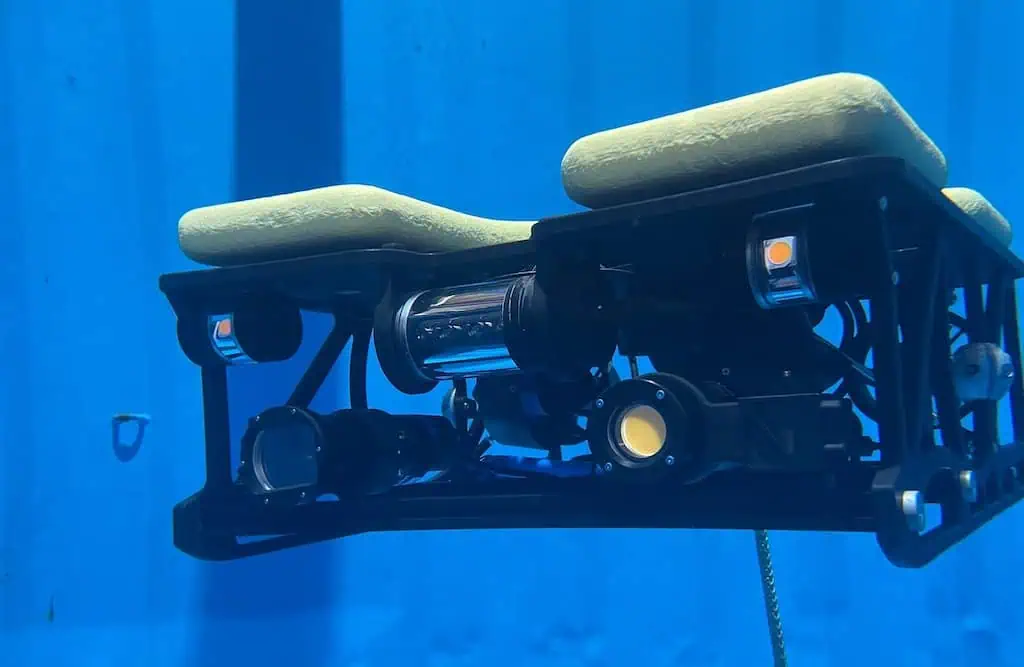
Engineering Innovation: Weighing less than 500g in water, the Rayfin Micro sets a standard for lightweight design. Its compact form ensures compatibility with smaller ROVs while delivering high performance, enabling precise operations in tight areas such as shipwrecks or beneath offshore structures.
5. Immediate Access to Media and Data
Effective workflows require instant access to captured media and data. Cameras that facilitate real-time data transfer and reduce reliance on internal storage enhance operational efficiency and minimize post-mission delays.
Streamlined Processes: Real-time transfer capabilities allow for immediate review of high-resolution images and videos, complete with overlays and metadata such as GPS coordinates and timestamps. For example, the Rayfin Micro organizes files into a pre-configured structure, ready for analysis and reporting.
Outcome: This functionality accelerates decision-making,ensuring quicker project turnarounds and improved operational workflows,notably in large-scale or time-sensitive missions.
Shaping the Future of ROV Inspections
The advancement of ROV cameras is transforming underwater operations. By integrating advanced optics,low-latency streaming,lightweight designs,and seamless compatibility,cameras like the Rayfin micro facilitate precise,efficient,and high-quality inspections.
For oems and system integrators,investing in these technologies demonstrates a commitment to innovation,ensuring their systems remain at the forefront of the industry. For operators, the right camera is not merely a tool; it is the cornerstone of mission success.
As ROV cameras continue to evolve to meet the demands of various applications, the future of underwater exploration and inspection looks exceptionally promising. Whether clients are assessing pipelines, surveying marine ecosystems, or monitoring offshore structures, cutting-edge cameras empower users to deliver results with precision and efficiency.
Explore the original article or learn more on the SubC Imaging website.