
Oceanalpha recently engaged with UST (defencesource.com) to explore the future growth of the Unmanned Surface Vessel (USV) sector and how this pioneering research and development firm is spearheading advancements across various maritime industries and depths.
What distinguishes Oceanalpha in the unmanned and autonomous surface vessel arena?
Interview with Ran Zhang, General Manager at Oceanalpha Group Ltd.
As a leading entity in the commercial USV landscape, Oceanalpha Group Ltd. boasts a team of over 626 professionals,including 214 dedicated R&D engineers and holds 402 patents related to USV technology.
For over a decade, Oceanalpha has prioritized independent research and development, mastering essential technologies in USVs such as System Integration Architecture, Clever Autonomous Control, Swarm Control, Control Unit Hardware Design, Communication Enhancements, and Autonomous Deployment & Recovery.
To facilitate human interaction with the ocean at reduced costs, improved efficiency, and heightened safety, Oceanalpha provides integrated USV solutions to professionals across diverse fields. The company has developed nearly 30 proprietary products that are revolutionizing data collection, life-saving operations, autopilot functionalities, and swarm control within the maritime industry.
Currently, Oceanalpha’s operations span inland and offshore surveying, environmental monitoring, marine engineering, security and rescue, transportation, and recreational activities. The company is a global leader in intelligent unmanned surface technologies, with a presence in over 50 countries.
What transformations have you observed in the adoption and utilization of autonomous marine vessels in recent years?
Globally, the commercial sector for autonomous boats and marine vehicles is witnessing an extraordinary surge in development, with unmanned vessels gaining widespread acceptance. This evolution is evident in several key areas:
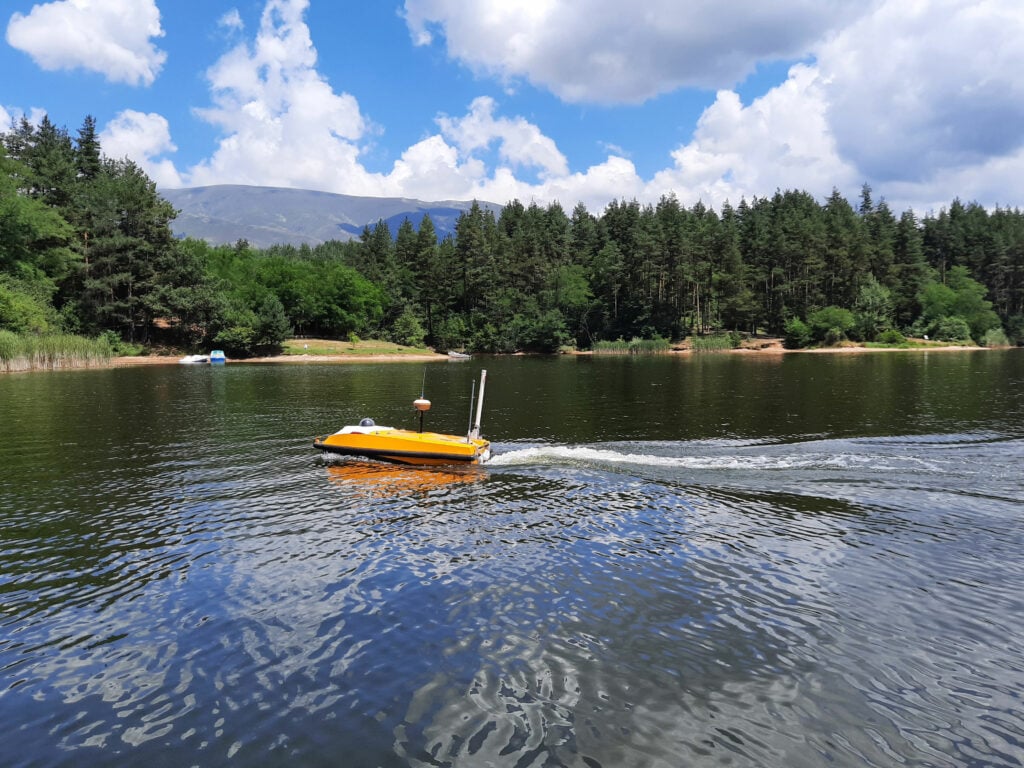
Diverse Applications: Initially, Oceanalpha’s USV products were primarily utilized for environmental monitoring in inland waterways. Today, our USVs are employed in over 20 different scenarios, categorized into three main types:
- Inland Water Vessels
- Marine Survey Vessels
- Maritime Security Vessels
The scope of autonomous vessel applications is expected to expand continuously, leading to a more segmented market tailored to various industry requirements.
Rapid Technological Advancements: As a company dedicated to USV R&D and integrated UAV solutions, we embrace the swift evolution of technology and are excited to see a constant influx of innovative technologies ready for deployment.
What challenges do users of Oceanalpha’s uncrewed vessel technology typically encounter?
Through our close collaboration with clients across various sectors, we have identified common challenges associated with traditional operational methods. By working hand-in-hand with customers to deliver innovative USV solutions, Oceanalpha has created a range of USVs equipped with advanced sensing, navigation, control, and communication systems, enabling them to autonomously navigate and execute tasks on the water.
Compared to the hazardous, inefficient, and costly traditional methods, users of Oceanalpha’s USV solutions experience the following enhancements:
Challenge: Traditional vessels incur high operational and maintenance costs, requiring significant manpower and equipment for extensive survey tasks.
Solution: guided by autonomous navigation algorithms, the USV can perform continuous inspections along a predetermined route and execute pre-programmed multi-purpose surveying missions autonomously, substantially reducing crew workload and saving on fuel and labor costs.
Challenge: Traditional manned boats struggle to operate in extremely shallow waters, limiting operational capabilities.
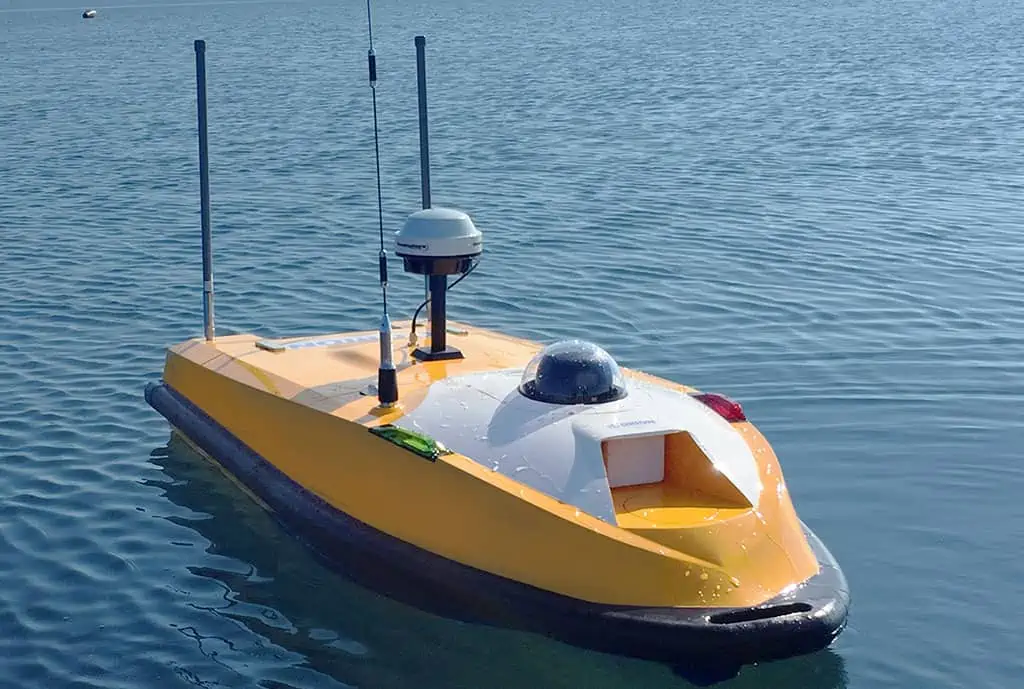
solution: The USV’s shallow draft and superior maneuverability allow it to access areas unreachable by conventional workboats. Additionally, Oceanalpha utilizes marine-grade aluminum alloy for its USV hulls, ensuring high strength and excellent corrosion resistance, enabling operations in harsh environments.
Challenge: Personnel face safety risks when navigating unknown waters or areas with potential pipeline or cable leaks.
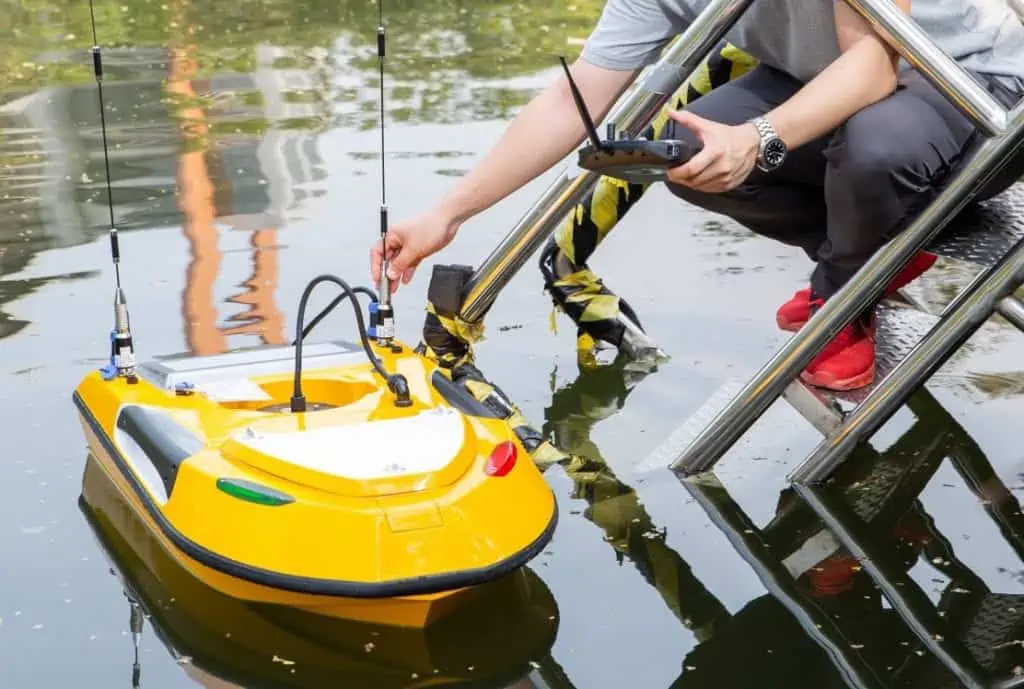
Solution: Both the USV and its survey instruments can be operated from a base station, with the option for manual control via a remote. This allows the USV to function in Sea State 3-4 conditions without endangering the operator’s safety.
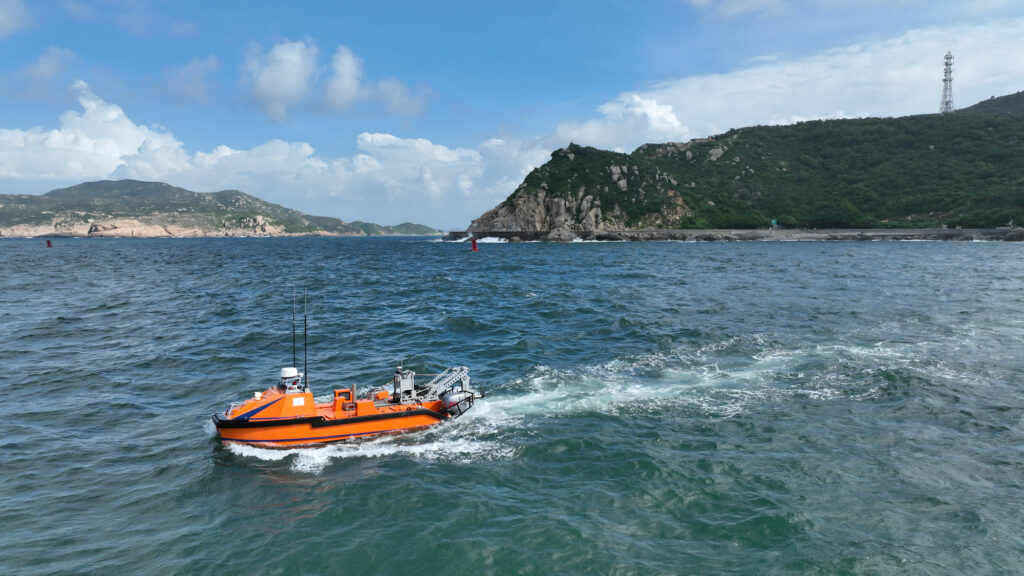
The USV can depart from the dock or be launched from a mother ship during operations, allowing surveyors to conduct marine investigations from shore or onboard the mothership.
Challenge: Manned vessels frequently enough lack stability during survey line tracking, leading to inaccurate or incomplete data and extended survey times.
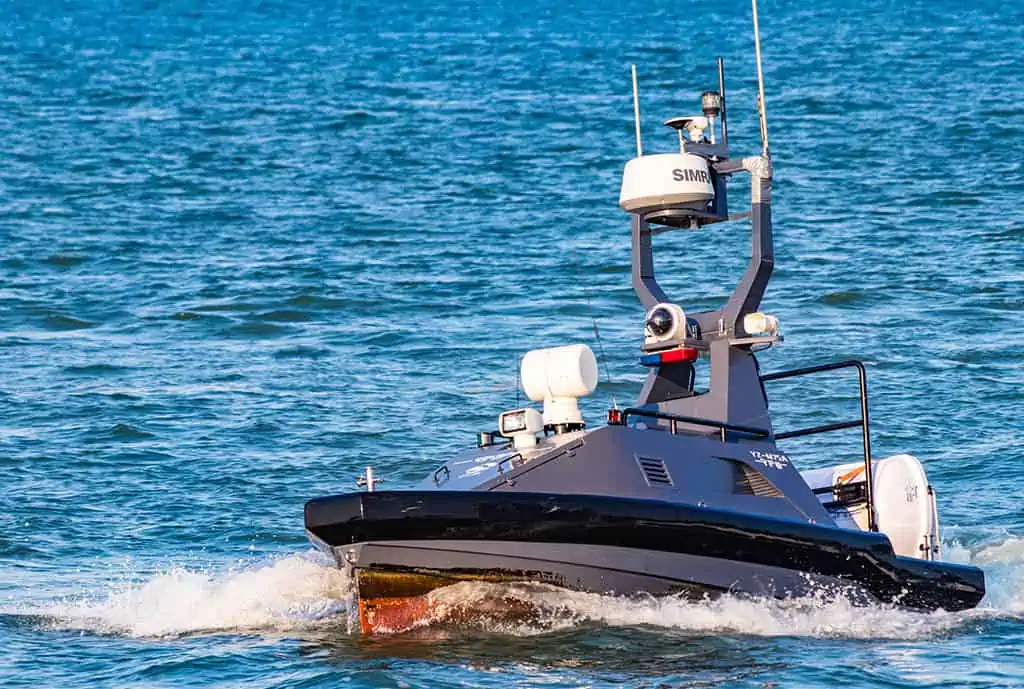
Solution: The USV can navigate along a designated route with a deviation of less than 1 meter for precise surveys. Equipped with radar,HD cameras,and LiDAR,the USV excels in collision avoidance.
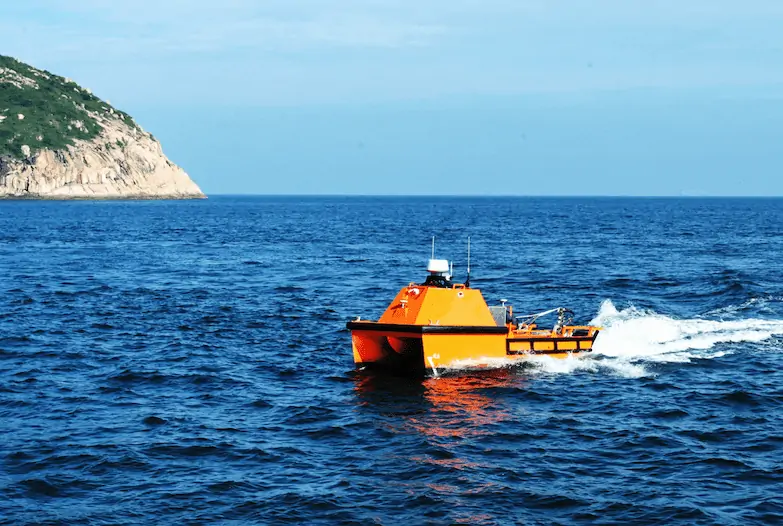
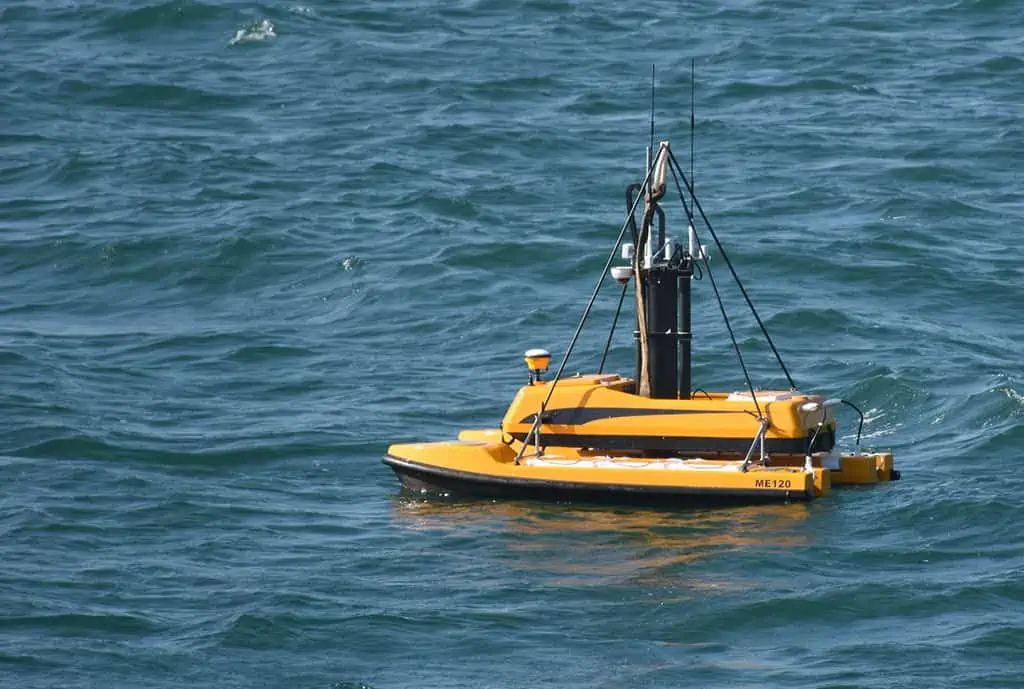
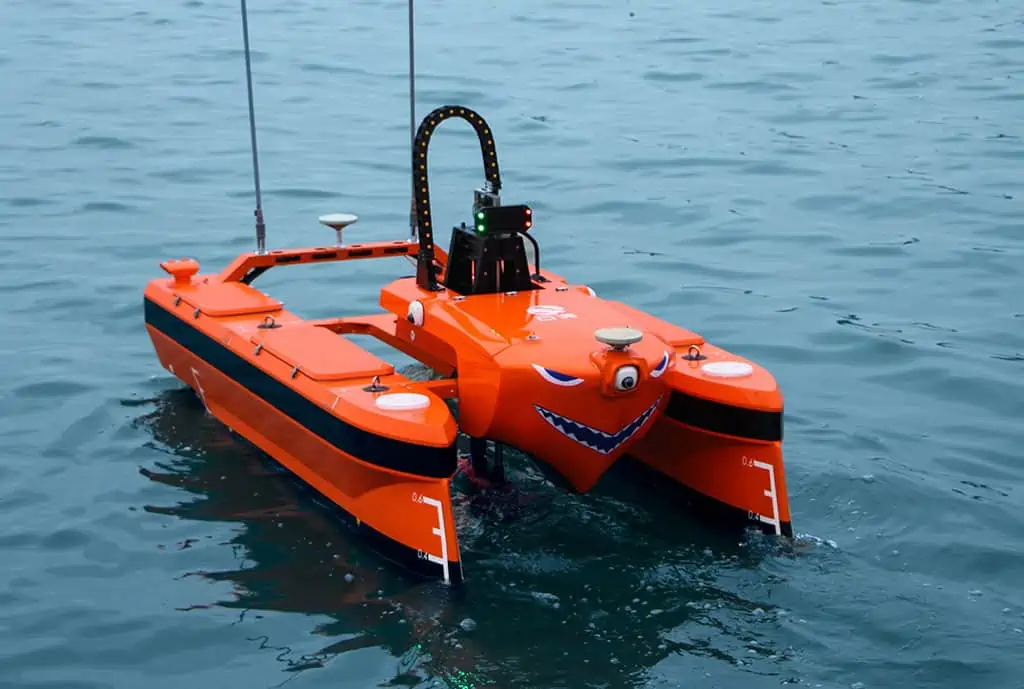
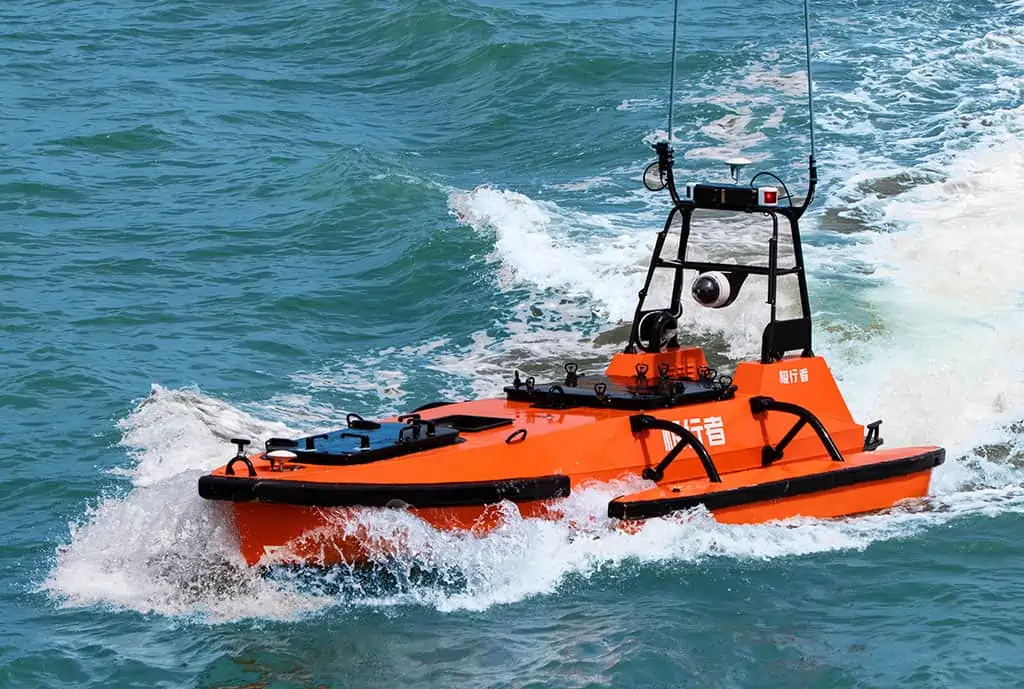
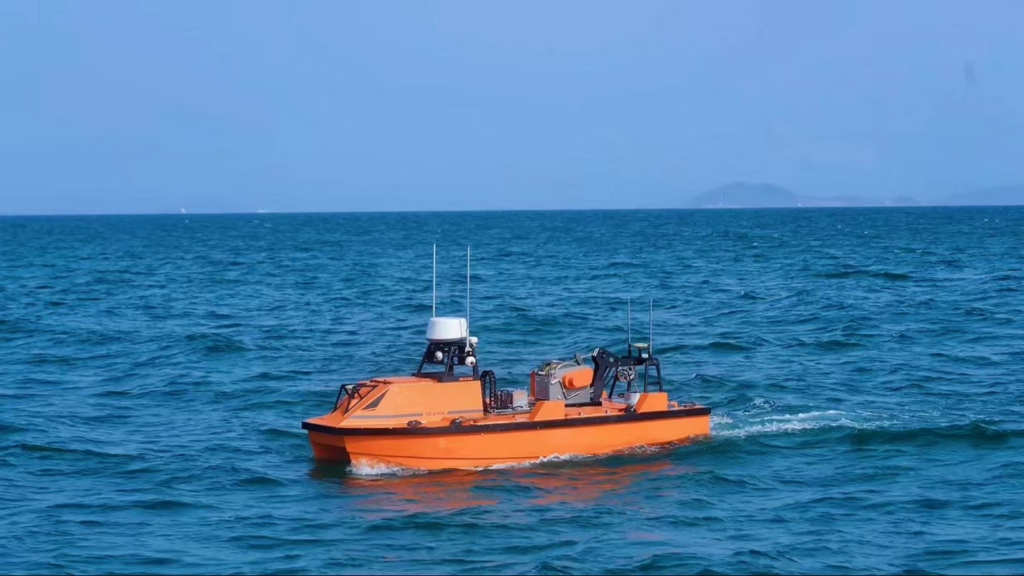
As a notable example, Oceanalpha’s oceanographic surveying USVs, like the M40P and L25, feature catamaran designs that minimize swaying and spray, providing stable and quiet conditions for acoustic equipment, resulting in more accurate data collection.
Moreover, their extended endurance allows crews to complete geophysical and environmental data acquisition more swiftly. For example, the Oceanalpha M40P Multi-function USV can operate for up to 24 hours at a survey speed of 4.5 knots.
Can you share any real-world applications of your Smart Lifebuoy solutions?
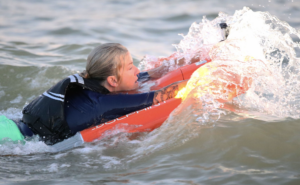
According to the World Health Organization, drowning incidents claim approximately 372,000 lives annually. This presents a significant challenge for rescuers globally, who strive to reduce response times to improve success rates. However, rescuers often face extreme conditions that put their lives at risk.
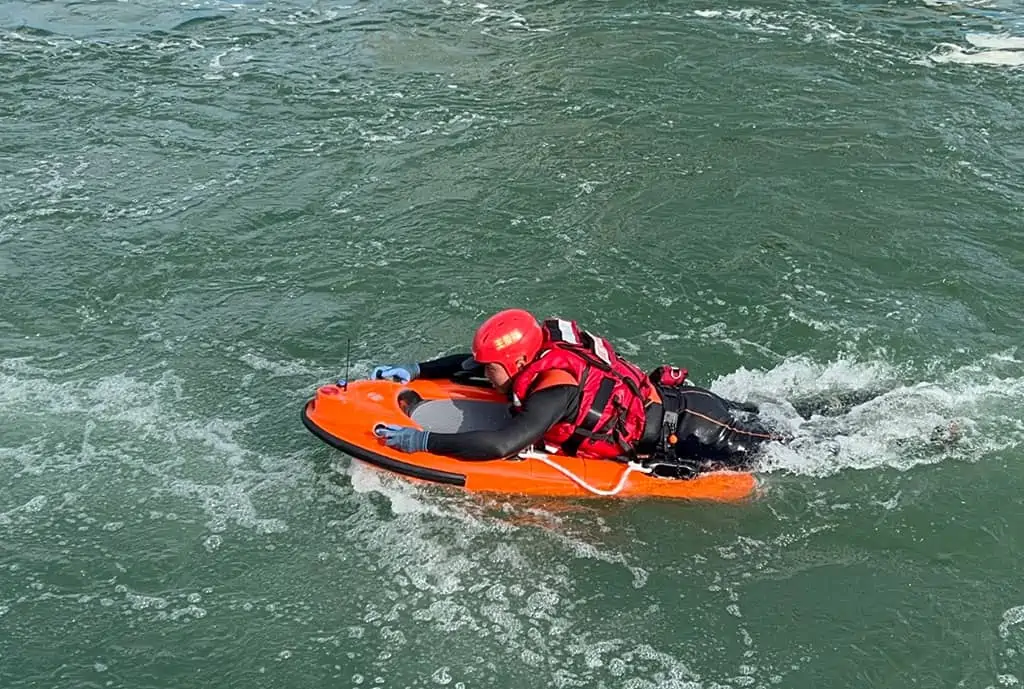
In response, Oceanalpha is committed to equipping rescue teams with advanced technologies. Since 2019, the company has developed the Dolphin1 water rescue robot to aid in life-saving missions. Additionally, the Water Rescue Stretcher Bed was introduced as a vital component of its Search & Rescue portfolio. The introduction of high-speed water rescue robots aims to enhance the efficiency of rescue operations while minimizing risks for rescuers in various water conditions.
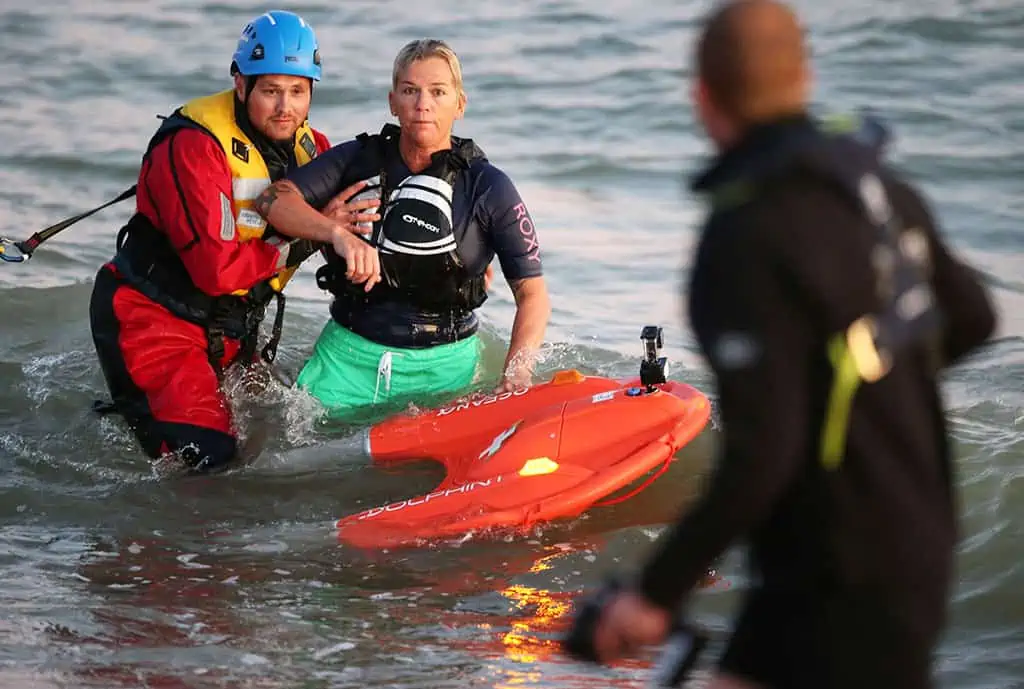
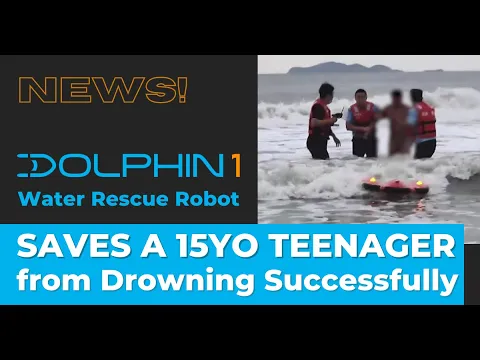
A notable success story occurred on August 9, 2022, when the Dolphin 1 Water Rescue Robot was deployed to save a drowning teenager from turbulent waves. At approximately 18:00, the Shawo Police Station of Weihai Maritime Police Detachment received an emergency call. A 15-year-old boy had been swept 100 meters offshore by a strong current while swimming. The police quickly launched the Dolphin 1 lifebuoy for the rescue. The Dolphin 1 navigated the rough waters at maximum speed, reaching the boy swiftly under police control. Fortunately, the teenager was able to grab hold of the Dolphin 1 and was safely brought back to shallow waters. The police then assisted him to a secure location for further medical evaluation.
This incident exemplifies the prosperous application of Dolphin 1, a portable, user-pleasant, and cost-effective electric watercraft designed to assist rescuers in safeguarding larger water areas. The Remote-Controlled Lifebuoy also aids rescue teams in saving individuals trapped in floods.Oceanalpha’s USV assets enhance the capabilities of search and rescue (SAR) teams by operating in hazardous conditions without endangering the lives of rescuers.
What is your vision for the future of ASV and USV technology in 2023 and beyond?
Our analysis of the current trajectory of USVs reveals three significant global trends:
- Marine surveying is becoming increasingly vital for USV applications worldwide.
- Operational modes are shifting from individual USV use to coordinated USV fleet operations.
- Business models are evolving from product sales to thorough solutions that encompass both products and services.
The future of USV development will be more demand-driven, with designs focused on specific functions, missions, purposes, and payloads. Intelligent USVs are expected to evolve into fleets or swarm systems capable of efficiently gathering and interpreting environmental data, making autonomous decisions, and adjusting operational parameters based on dynamic conditions.
The outlook for the USV industry is undoubtedly luminous, and we are confident that Oceanalpha will play a pivotal role in advancing this field.