Innovative hydrogen-Powered Flight: The Raybird UAV’s Breakthrough
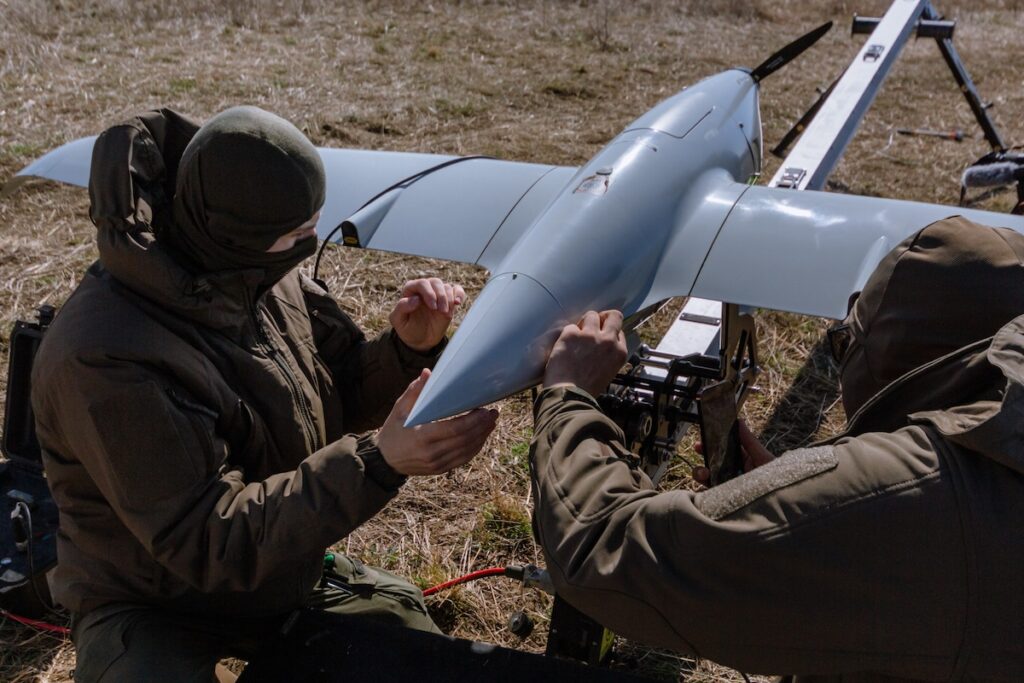
A newly enhanced version of the Raybird UAV, developed by Skyeton, has successfully conducted a test flight in Ukraine utilizing hydrogen fuel technology.
Hydrogen Fuel Cell Technology in action
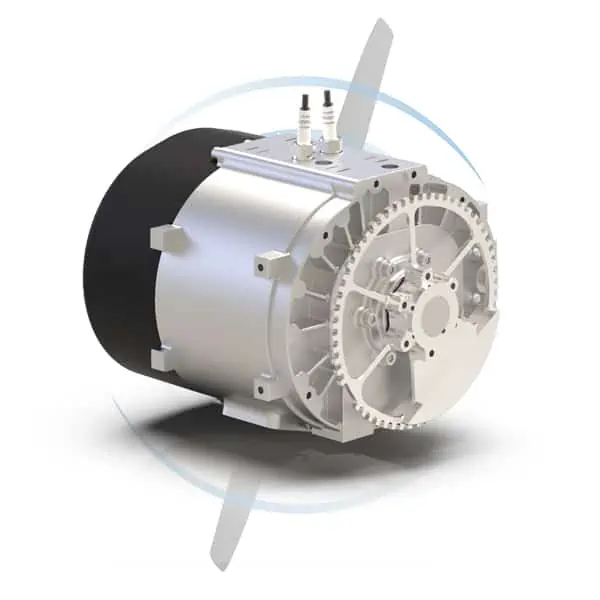
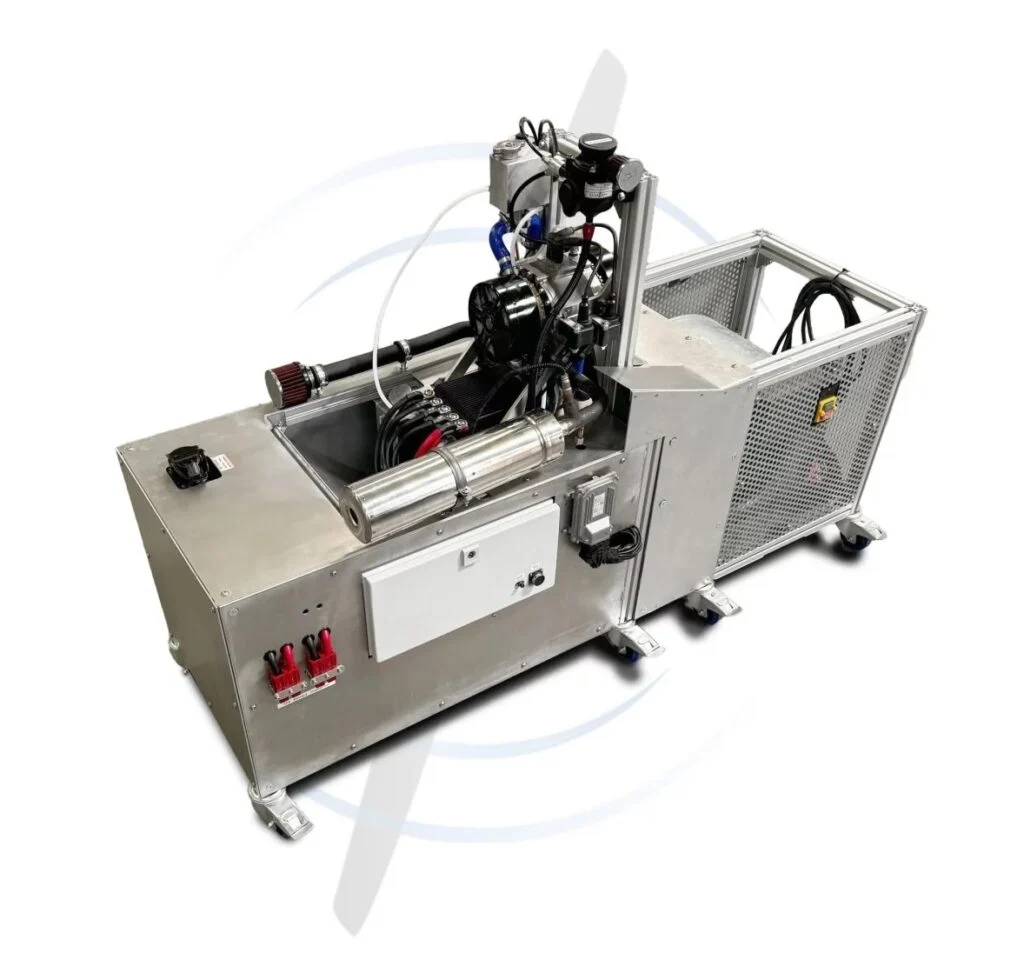
The Raybird UAV features an electric propulsion system powered by a hydrogen fuel cell, which efficiently transforms hydrogen into electrical energy. Following this successful test,Skyeton is now concentrating on creating a new fuselage design specifically optimized for hydrogen fuel integration.
Future Developments and Design Enhancements
This redesigned structure aims to improve the distribution of weight and space for the hydrogen fuel cell system, paving the way for the mass production of the hydrogen-powered Raybird UAV.
Vision for Extended Flight Capabilities
Roman Knyazhenko, the CEO of Skyeton, stated, “Our primary objective is to develop an aircraft with an electric engine that can sustain over 15 hours of flight in challenging conditions while carrying a critically important payload. We are exploring hydrogen fuel solutions to leverage the benefits of electric motors, including high reliability, robust power, and ease of maintenance, while also achieving prolonged flight durations, which is a key feature of our UAV.”
Applications and Environmental Impact
The Raybird UAS is designed for extended surveillance and reconnaissance operations. By transitioning to hydrogen-electric propulsion, this platform is set to enhance operational efficiency and reduce environmental impact, making it suitable for both military and civilian uses.