


Innovative Drone Growth: A Case Study on the Tundra-M
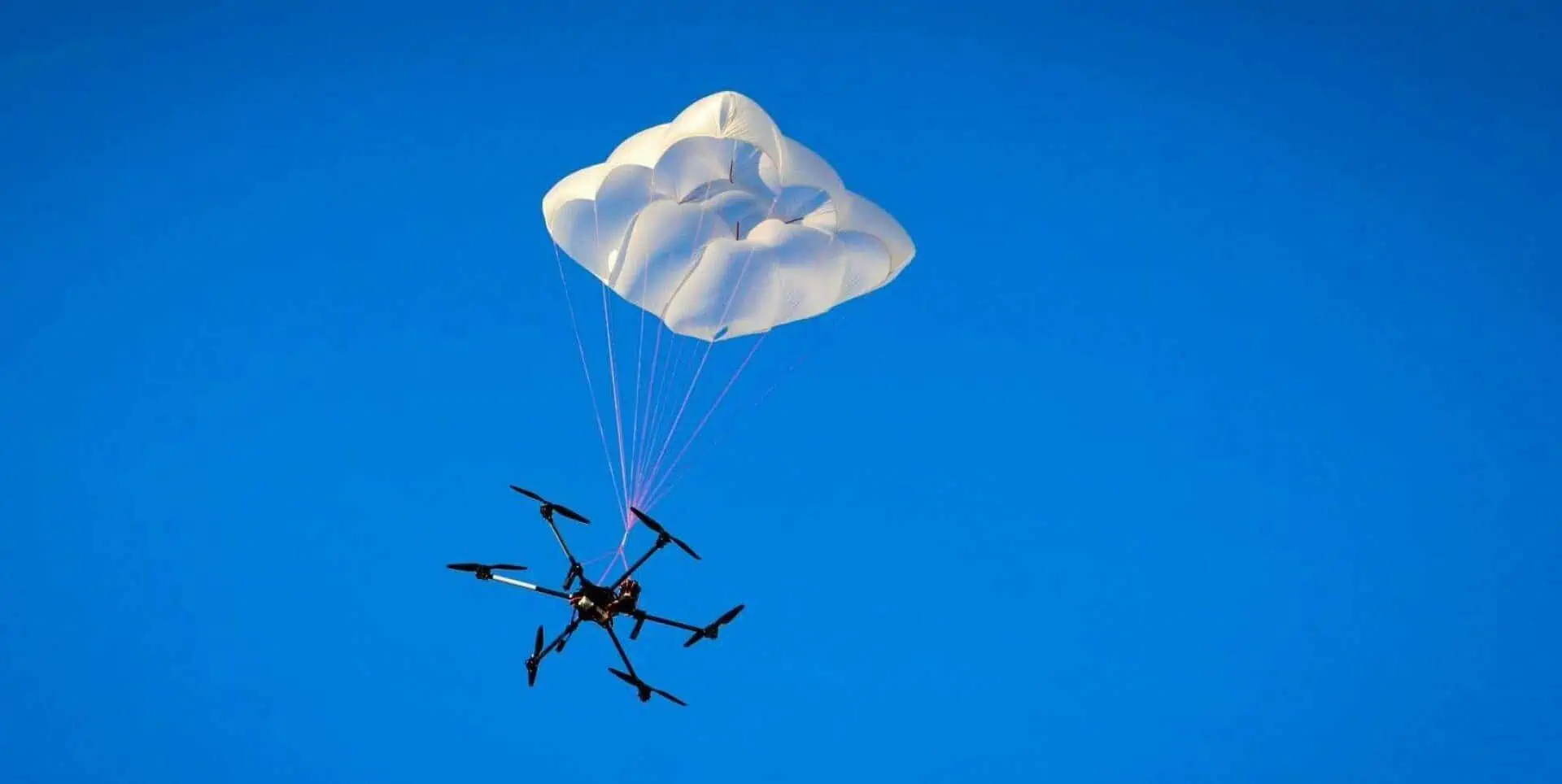
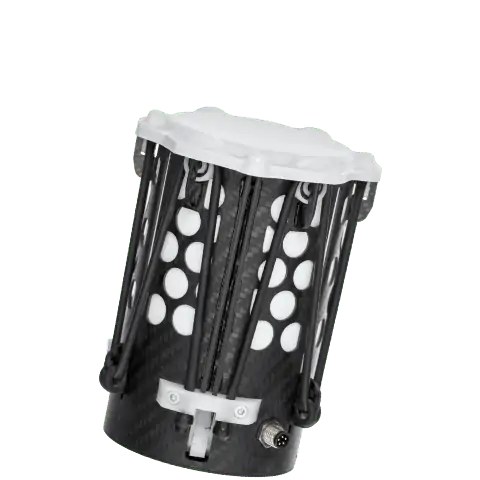
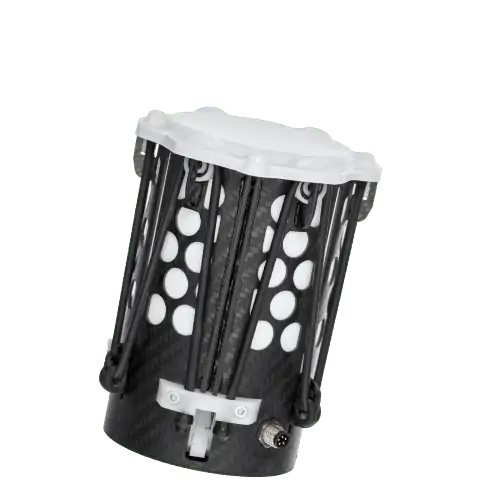
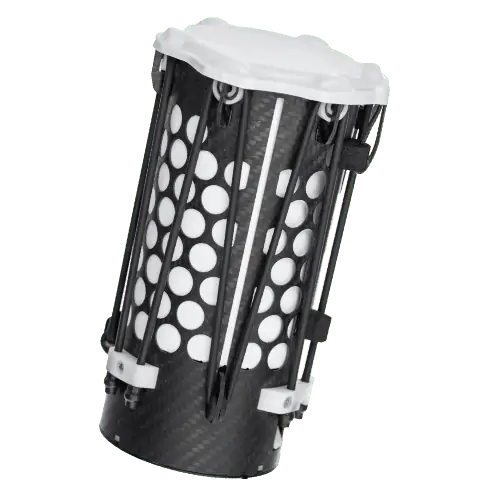
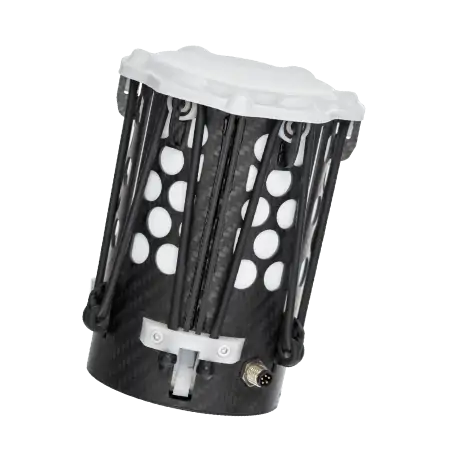
CRP Technology has unveiled a comprehensive case study detailing the creation of an unmanned aerial vehicle (UAV) utilizing the Powder Bed fusion technique with composite polymer fibers reinforced through Laser Sintering technology, alongside Windform composite materials.
Collaboration Between CRP Technology and Hexadrone
The initiative was a joint effort between CRP Technology and Hexadrone, aimed at developing Hexadrone’s inaugural fully modular drone designed for industrial and versatile applications, capable of operating in extreme weather conditions due to its robust, waterproof construction.
hexadrone tasked CRP with creating a functional prototype of the Tundra-M,marking the company’s frist foray into mass production of drones. To expedite the design process, Hexadrone opted for SLS technology in partnership with CRP Technology, enhancing manufacturing efficiency and enabling streamlined production.
Advantages of Additive Manufacturing
Additive manufacturing (AM) offers significant advantages over traditional manufacturing methods, notably in terms of speed and versatility. The ability to rapidly iterate designs allows engineers to make timely improvements without the constraints of conventional tooling. This approach not only reduces costs but also accelerates production timelines. The unique characteristics of AM Windform® XT 2.0 and windform® SP composite materials have facilitated system optimization, meeting stringent design requirements while withstanding the rigors of flight in challenging environments.
The project demanded a swift iteration process, an optimal balance between structural integrity and weight, consistent performance, and the capability to integrate multiple functionalities into a single component. CRP Technology responded promptly to evolving requirements,fostering excellent collaboration with hexadrone and CAD designers,ultimately delivering high-quality outputs through their proprietary processes.
Hexadrone’s CEO, Alexandre Labesse, remarked, “Our drone was developed through a careful, multifaceted approach involving a wide range of stakeholders. Over two years of consulting, research, and development, we gathered invaluable insights and customer feedback that shaped the design, leading us to an ideal UAV solution.”
Challenges Addressed Through SLS Technology and Windform Materials
Key challenges encountered during the project included:
- Compressive stress
- tensile stress
- Vibrations
- Traction stress
A significant challenge was the precision of the components, with a scale gain of 0.15 to 0.20 millimeters. If not accounted for, this discrepancy could hinder the assembly of various parts.
Components of the Tundra-M Drone Using Windform Materials
Notable components crafted from Windform® SP and Windform® XT 2.0 include:
Body Frame
The body frame consists of a primary structure and a detachable top cover,housing the drone’s core systems,including circuit boards and cooling mechanisms.
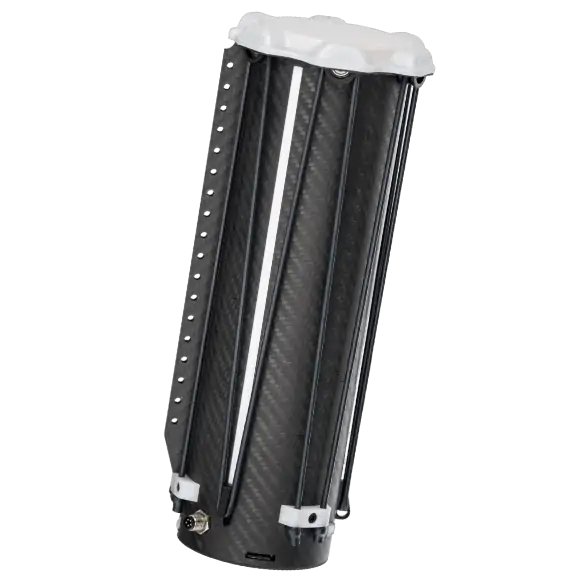
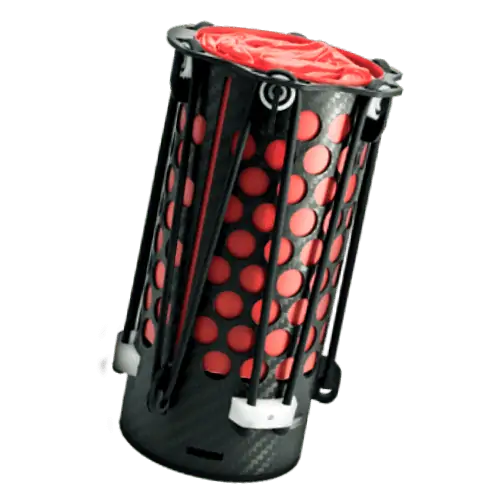
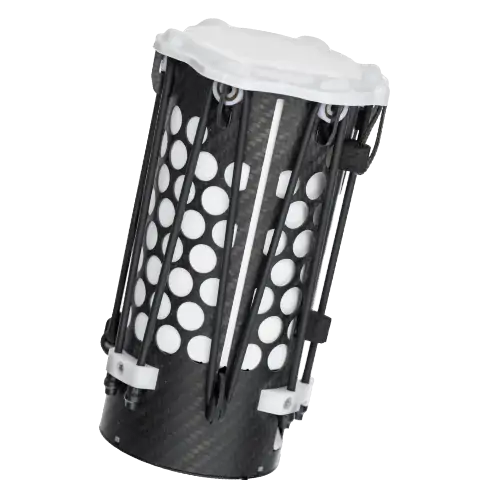
Labesse stated, “To create this component, we required a material that was water-resistant, durable, and robust. This frame also features an emergency parachute, four detachable and adjustable arms, two batteries, and three easily attachable accessories.”
The body frame is constructed from Windform® SP, chosen for its superior mechanical and thermal properties.
The Arms
The arms include motor supports and removable sections, featuring an interlocking base that allows users to securely fasten the arms using a patented “tension ring.” This innovative system enables easy connection and disconnection of the arms as needed.
Labesse added, “Our patented technology ensures a reliable and robust connection while providing waterproof capabilities in adverse conditions. this interlocking mechanism can withstand stress from leverage forces, primarily generated by components at the ends applying consistent force.”
The arms are made from Windform® XT 2.0, selected for its extraordinary performance characteristics.
for a detailed exploration of this case study, click here, or visit the CRP technology website for more data.