

Innovative Battery Technology from Tulip Tech Enhances UAV Performance
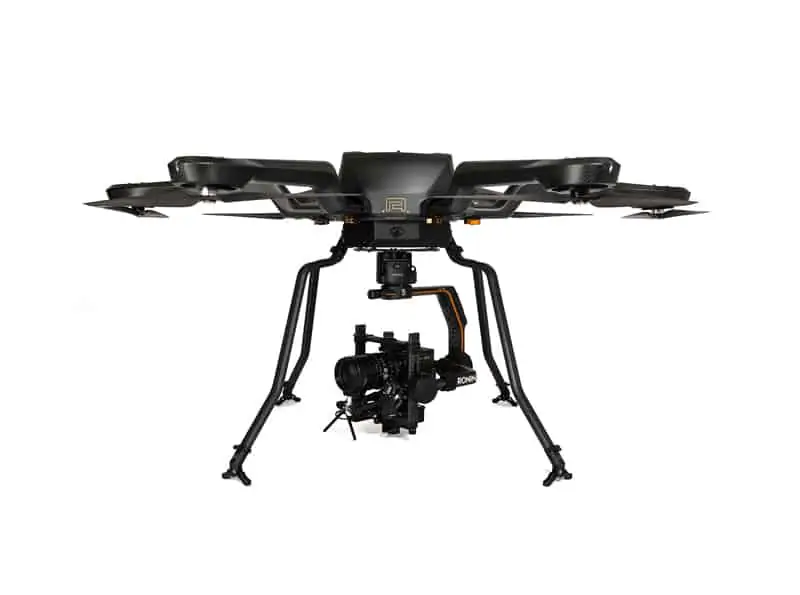
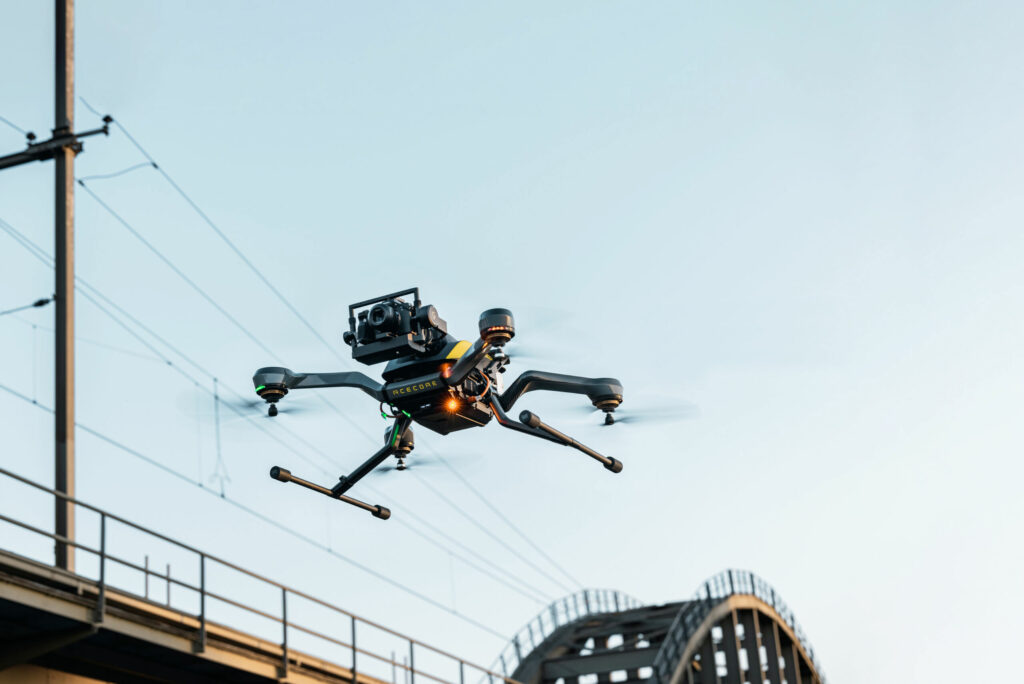
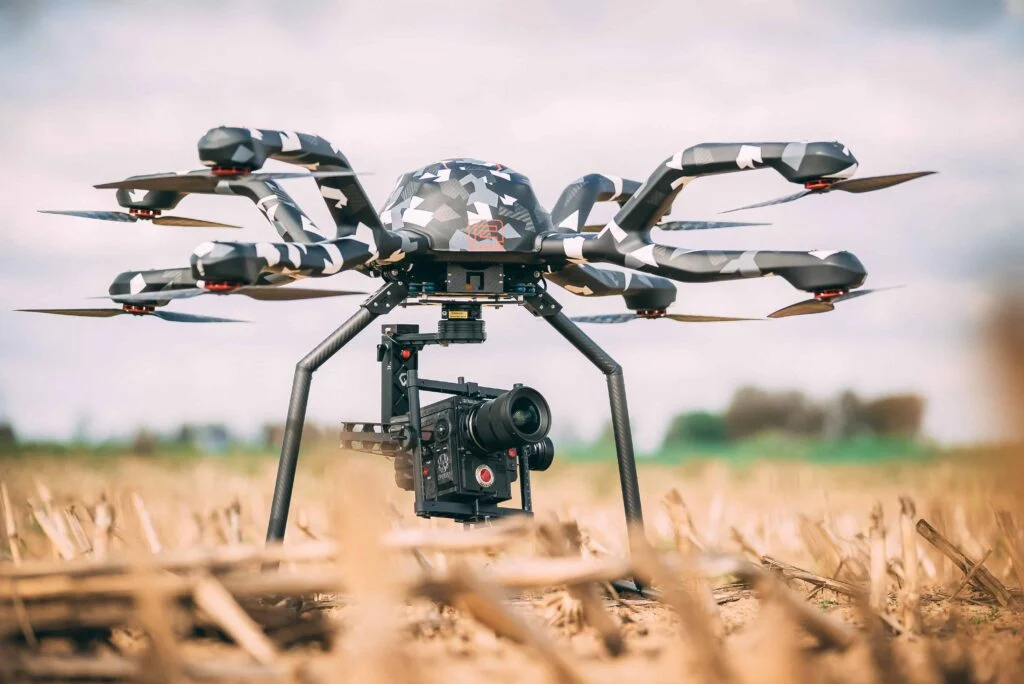
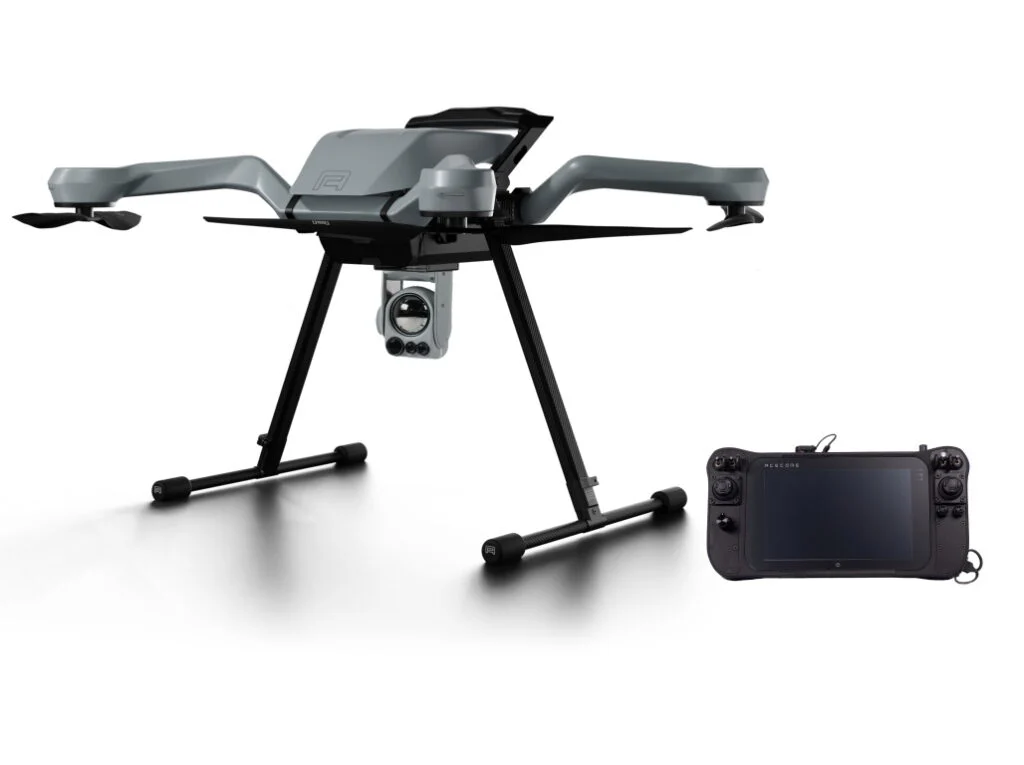
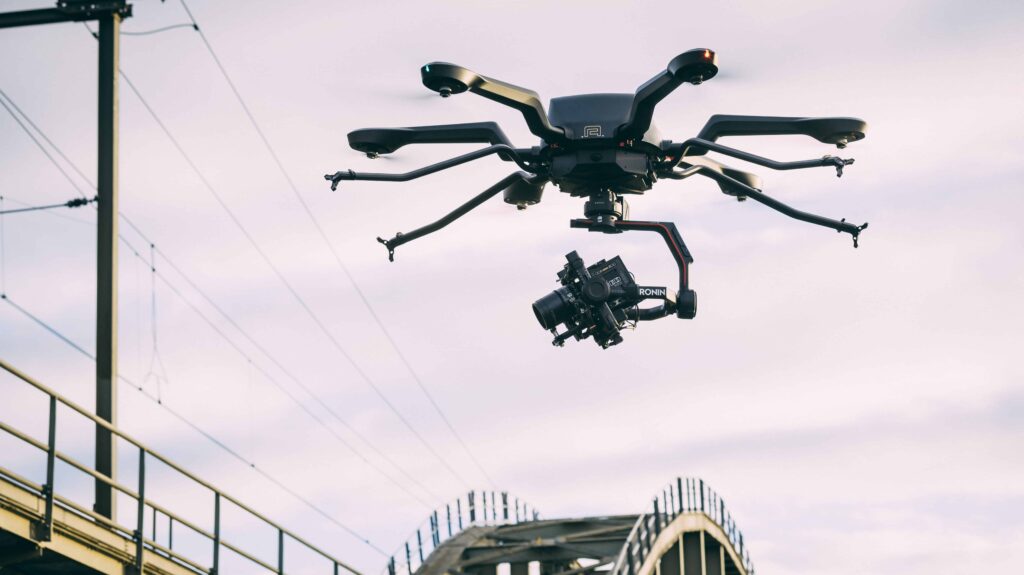
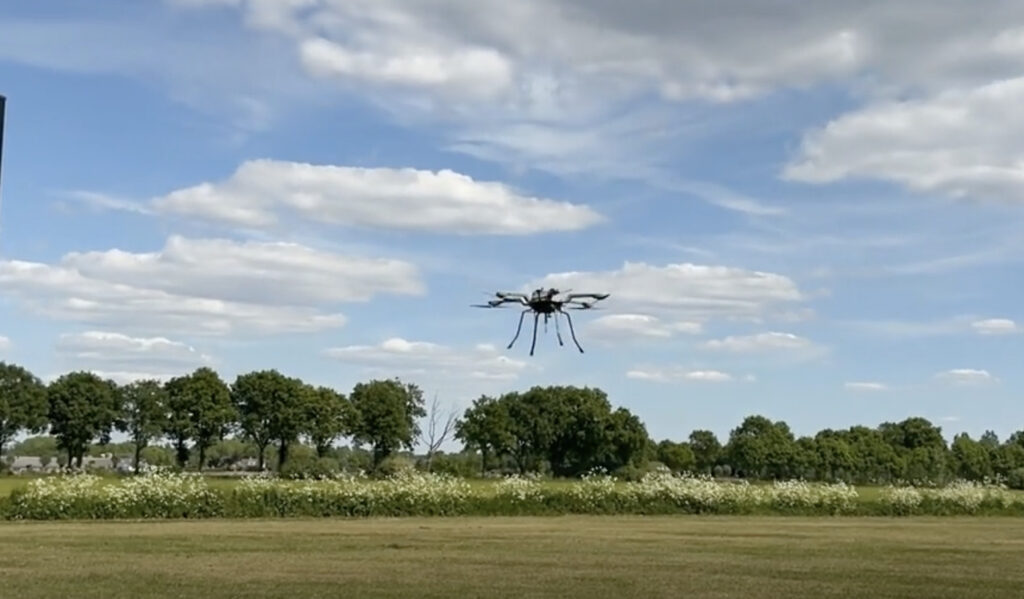
Tulip Tech, a pioneering battery technology firm located in the Netherlands, has made significant advancements in drone flight endurance by introducing its cutting-edge 39Ah high-density battery pack for the Acecore Technologies Noa drone.
This state-of-the-art lithium battery boasts an extraordinary energy density of 360 Wh/kg, resulting in flight time enhancements of up to 63%. This breakthrough allows for extended range and improved efficiency in demanding drone operations.
Field evaluations have shown remarkable increases in endurance across various payload categories. For instance, a 1 kg payload experienced a 40% increase in flight duration, while a 6 kg payload achieved a 63% boost. Such improvements are transformative for UAVs engaged in tasks like inspection,land surveying,and remote data acquisition.
Extended Flight Time for Challenging Missions
The acecore Noa serves as a versatile drone platform, extensively utilized for infrastructure assessments, geospatial data collection, and surveying in hard-to-access locations. The new battery technology nearly eliminates the necessity for mid-flight battery swaps or multiple trips, enabling operators to cover larger areas, minimize downtime, and optimize payload efficiency in a single flight.
In sectors where aerial data is crucial and access is challenging—such as power line inspections,extensive mapping,and critical site surveillance—enhanced endurance leads to reduced operational costs and more valuable data collected per flight.
Long Cycle Life Lowers Ownership Costs
Beyond performance improvements, Tulip Tech’s battery is engineered for longevity, with internal assessments indicating approximately 600 charge cycles per unit. this durability significantly decreases the need for frequent replacements, thereby lowering the overall cost of ownership, which is especially beneficial for large UAV fleets.
The prolonged battery lifespan also contributes to more enduring UAV operations by reducing electronic waste and extending maintenance intervals, a vital consideration for companies focused on environmental, social, and governance (ESG) objectives and the long-term viability of their fleets.