
Advancements in Air Defense: Cambridge Pixel’s Innovative Solutions
Cambridge Pixel has announced a major upgrade to its suite of modular software and radar interface cards, designed to enhance air defense systems and counter-unmanned aerial systems (UAS). These advancements provide a high level of adaptability for air defense operations, enabling cost-efficient upgrades across entire nations.
enhanced Display Software for Comprehensive Monitoring
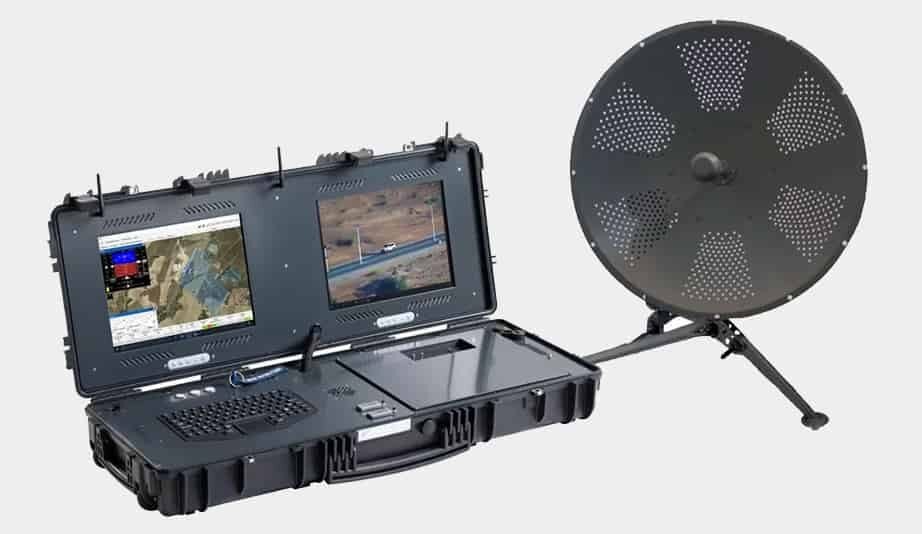
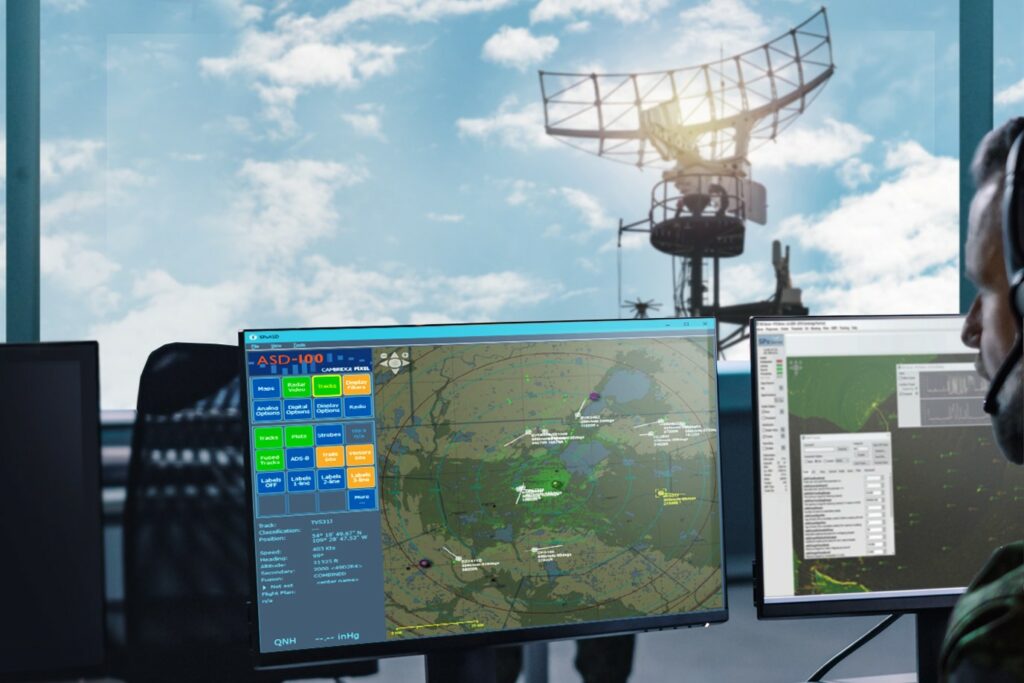
At the heart of this innovation is the upgraded ASD-100 display software, which now supports the visualization of both primary and secondary radar feeds, ASTERIX, and ADS-B tracking. This software also incorporates advanced threat assessment features and improved automation capabilities.
Compatibility with diverse Radar Systems
The solution is compatible with a broad spectrum of both legacy and contemporary radar systems, allowing for server processing in remote areas. This setup facilitates the distribution of various video feeds, plots, and tracking data to a centralized hub or multiple regional centers. By supporting older radar systems, the need for costly equipment replacements is eliminated.
Robust Features for Enhanced Operational Efficiency
Additional functionalities include a distributed database that enables the sharing of asset and threat intelligence, along with track management features that control the distribution of tracking data to specific centers. A wide-area data monitoring system is also available, ensuring network connectivity validation and automatic management of redundant configurations.
Comprehensive Software Modules for Air Defense
Other integral software components in the air defense framework include the spx Server for radar processing and track extraction, SPx Track Manager for filtering tracks, SPx Monitor for automated network performance oversight, and the RDR data recorder for comprehensive data, track, and screen recording.
Expert Insights on Future Developments
David Johnson, the managing director of Cambridge Pixel, stated, “The essence of these innovations lies in our ability to provide economical nationwide air defense upgrades by integrating existing radar sensors with new technologies. Our extensive experience allows us to interface seamlessly with both legacy primary and secondary radars for effective track extraction. The modular nature of our software can be tailored for local deployments or expansive national solutions with regional hubs.”