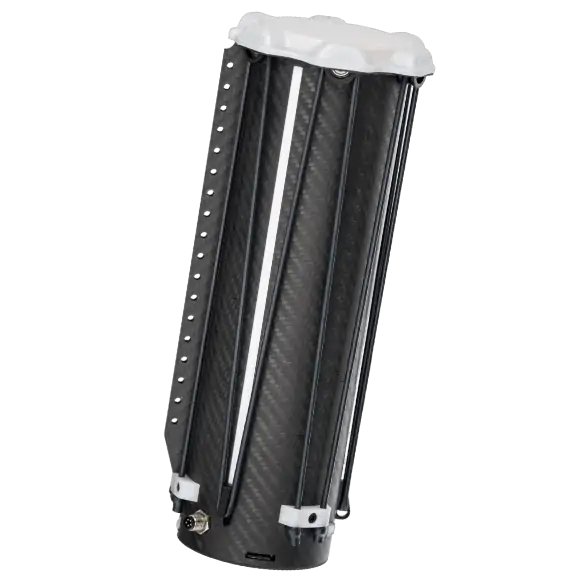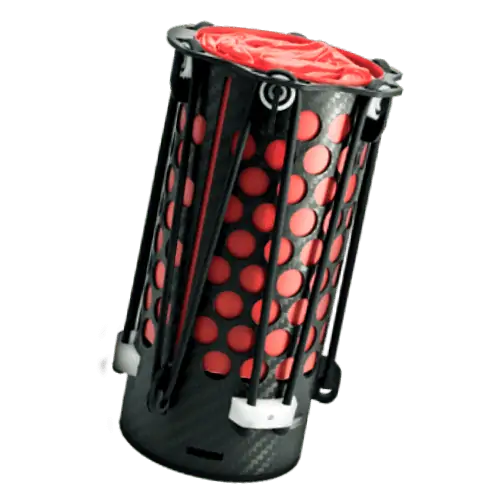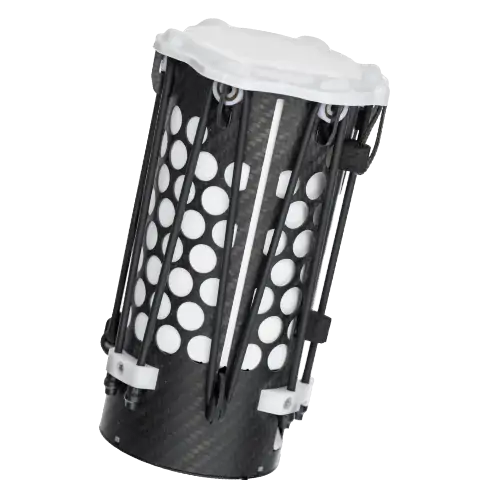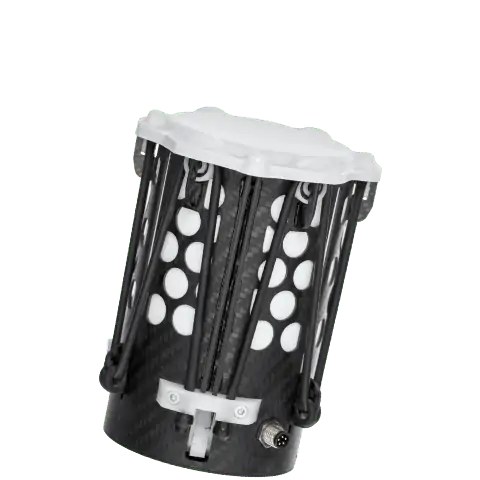


STABLE, a pioneer in the growth of stabilized platforms for unmanned aerial vehicles (UAVs) and drones, has announced the triumphant integration of advanced algorithms that achieve stabilization precision of up to 99%. This breakthrough substantially enhances the technology’s applicability in scenarios that require exceptional accuracy, while also bolstering its performance in high-frequency operational contexts.
The graphic below illustrates data obtained from a real-world platform stabilization scenario,showcasing the boat’s movements (depicted in blue) with a roll of +/- 11 degrees and a roll period of 6 seconds,contrasted with the STABLE platform’s movements (shown in orange) exhibiting a roll of just +/- 0.15 degrees.
STABLE has faced challenges from various clients seeking solutions for applications with rapid roll periods (ranging from 0.5 to 1 Hz). At these frequencies, the stabilization process can be adversely affected by delays, noise, and environmental factors. By integrating multiple sensors, refining filtering techniques, and developing innovative algorithms, STABLE has elevated its roll and pitch suppression capabilities from 90% to an impressive 99% for targeted applications.
Rune M. Eriksen, Chief Strategy Officer and Partner at STABLE, remarked: “our ability to fulfill the stringent requirements of applications that necessitate high precision opens doors to new opportunities in the radar, lidar, VSAT, and sensor sectors, while also enhancing our traditional applications in drones and uavs. The betterment in data quality and the extension of operational windows are translating into increased profitability, lower costs, and greater operational efficiency for our clients. This technical achievement is a testament to the hard work of our R&D Manager, Petter Gøytil, and solidifies our position as leaders in tackling the most demanding stabilization challenges both on land and at sea.”