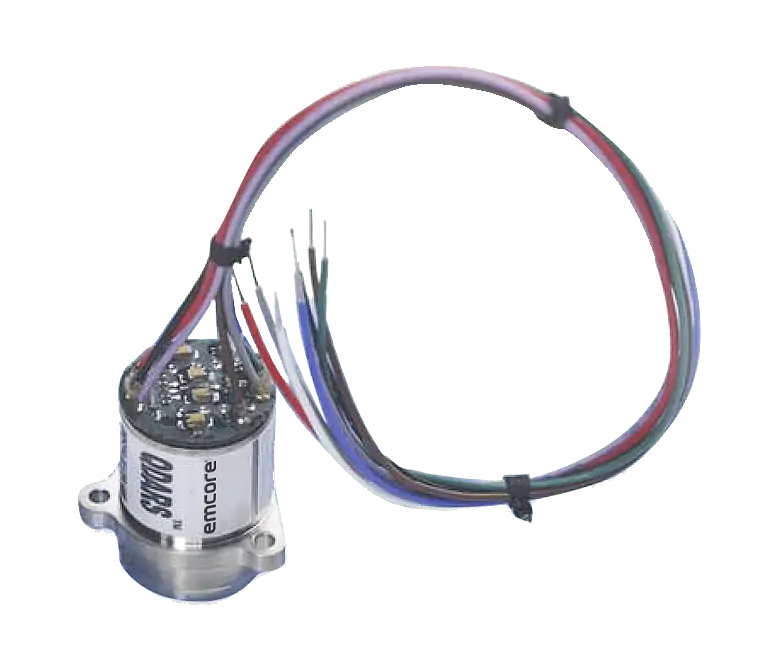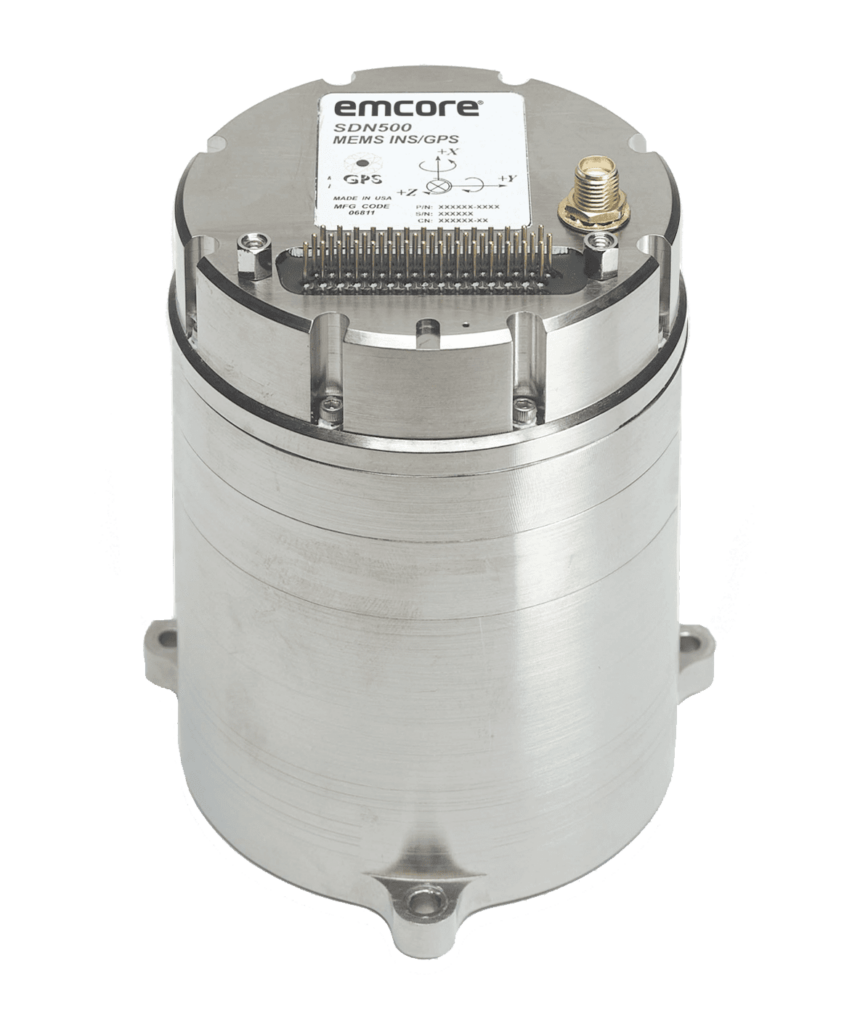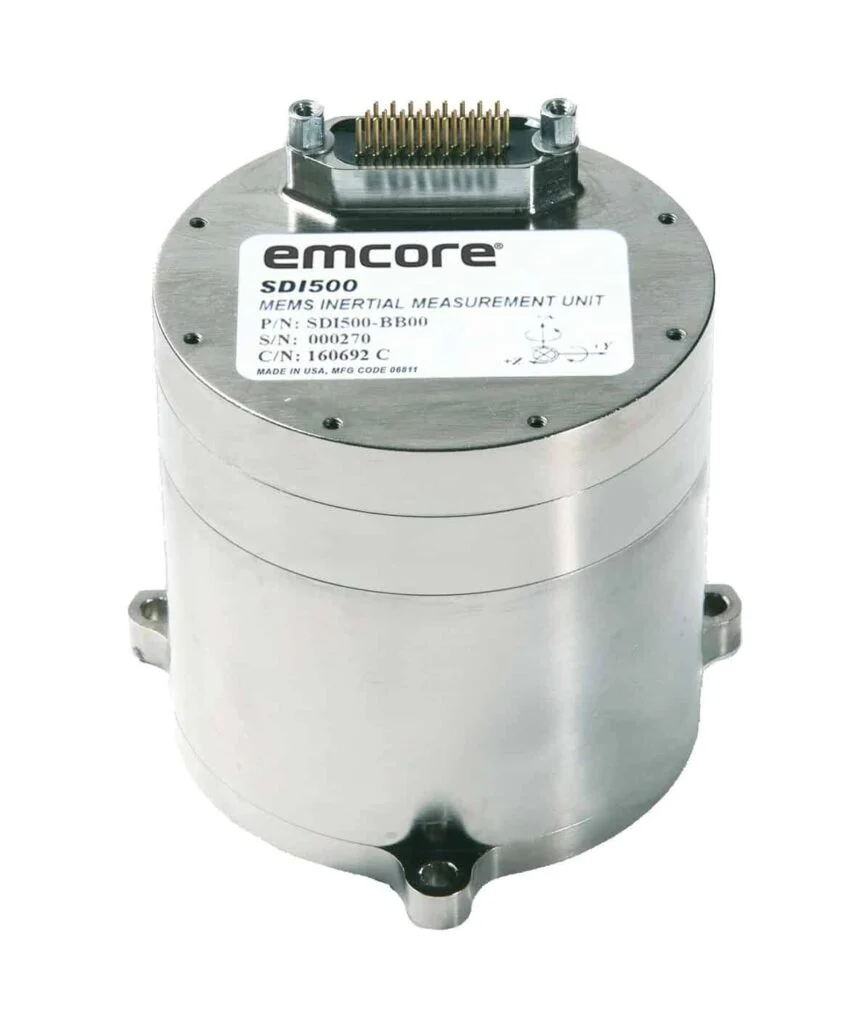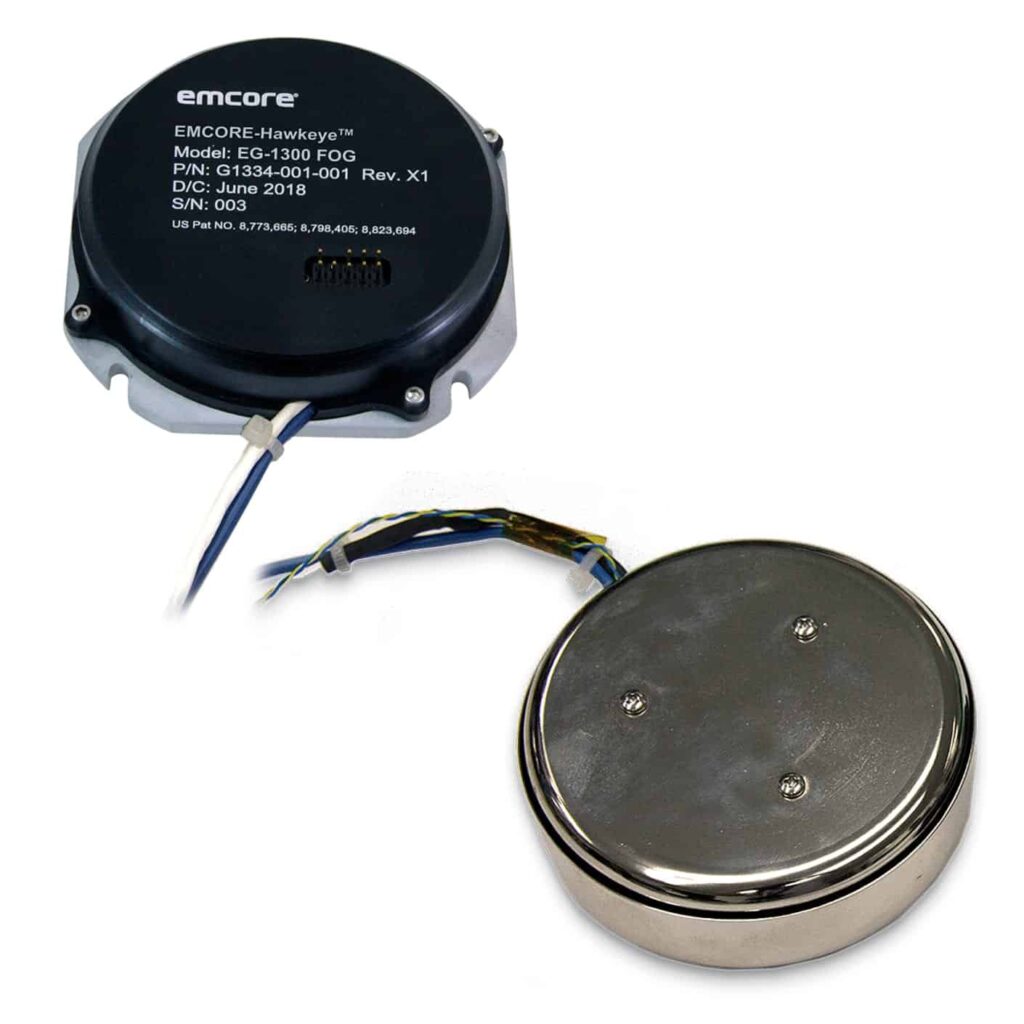


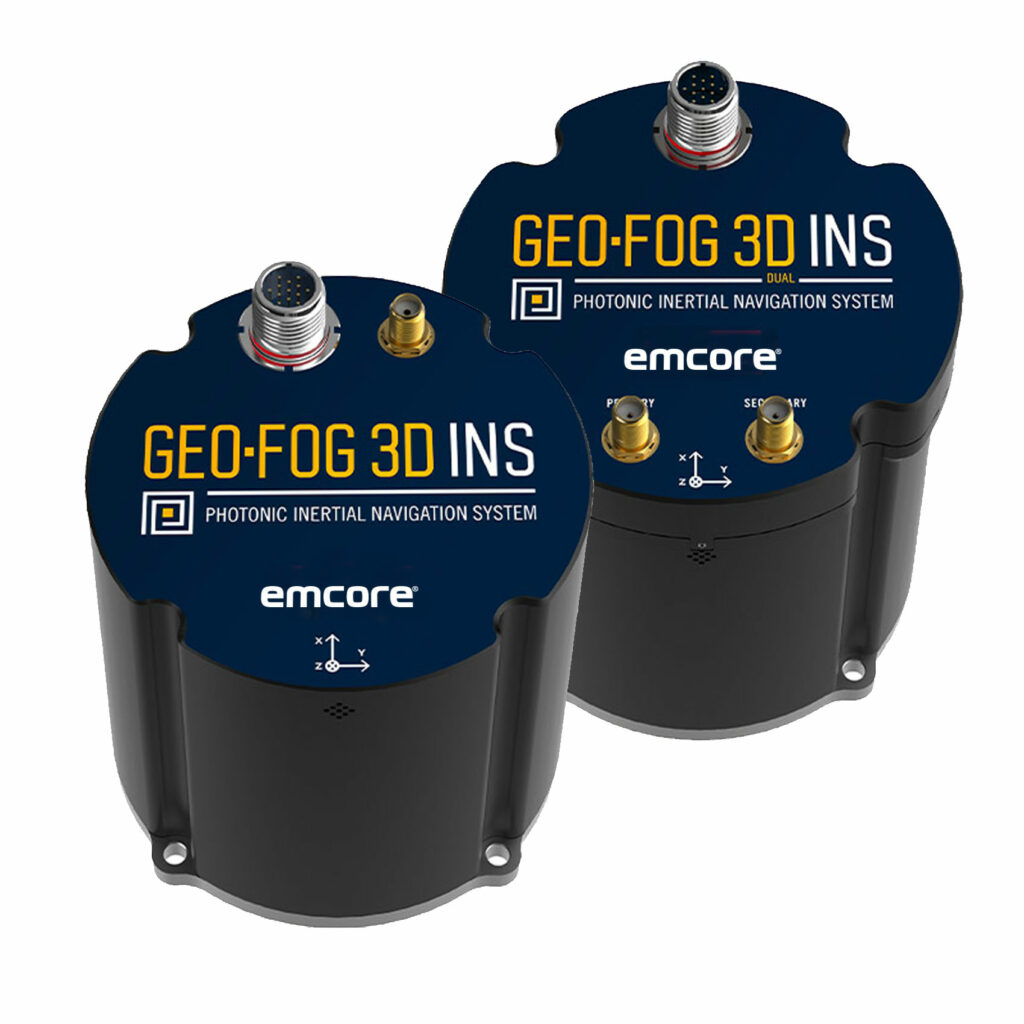
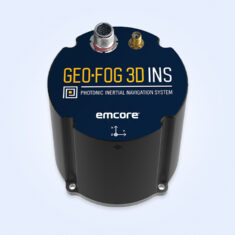
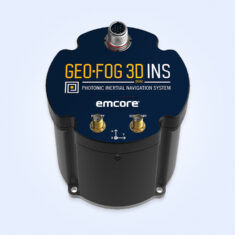
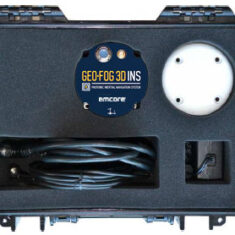
The GEO-FOG 3D™ inertial navigation system (INS) represents a cutting-edge, commercially available navigation and control solution, leveraging the company’s pioneering Fiber Optic Gyro (FOG)-based 1750 inertial measurement unit (IMU). This system employs sensor fusion technology to provide dependable, high-precision navigation and control across a diverse range of unmanned, autonomous, and manned platforms, including aerial, terrestrial, marine, and subsurface applications.
At the heart of the GEO-FOG 3D is an advanced configuration featuring three DSP-1750 gyros, recognized as the smallest high-performance Fiber Optic Gyros globally. These are complemented by three low-noise MEMS accelerometers, three axes of magnetometers, a pressure sensor, and a triple-frequency RTK GNSS receiver. The system is available in both single and dual antenna configurations (GEO-FOG 3D Dual), and it incorporates a complex algorithm that enhances data extraction from the IMU core processor significantly.
tailored for High-Stakes Control Applications
Engineered for rigorous navigation and control tasks, the GEO-FOG 3D features performance monitoring and stability safeguards to guarantee consistent and trustworthy data output.This robust INS has undergone extensive testing to ensure its hardware is both secure and reliable. It is designed to withstand reverse polarity, overvoltage, surges, static electricity, and short circuits across all external surfaces. The integrated GNSS system includes Receiver Autonomous Integrity Monitoring (RAIM) to evaluate the reliability of satellite signals. Additionally, a backup MEMS IMU is included to ensure continuous inertial data collection for redundancy.
Integrated RTK GNSS Receiver & North-Seeking Gyrocompass
The GEO-FOG 3D is equipped with a triple-frequency GNSS receiver that delivers positioning accuracy within 8 mm. It is indeed compatible with all existing and upcoming satellite navigation systems, including GPS, GLONASS, GALILEO, and BeiDou. The system supports data rates of up to 1000 Hz, with output options available via high-speed RS-422 or RS-232 interfaces.A north-seeking algorithm enables precise heading determination within just 10 seconds after a hot start and 10 minutes following a cold start. This algorithm operates continuously during INS functionality, remaining unaffected by velocity or angular motion, thus ensuring high-accuracy heading in environments where magnetometers and GPS-based heading are impractical.
Key Features
- Commercially available high-performance INS
- Accurate navigation and positioning even in GNSS-denied environments
- Compatibility with all current and future satellite navigation systems, including GPS, GLONASS, GALILEO, and BeiDou
- Data rates up to 10 times faster than competing systems
- High-speed RS-422 or RS-232 interface options
- Core processor: 1750 IMU
- 6 Degrees of Freedom (DoF) IMU with integrated FOGs and accelerometers
- trimble GNSS receiver
- North-seeking gyrocompass
- Altitude and Heading Reference System (AHRS)