

Revolutionizing Ocean Exploration with autonomous Subsea Cameras
In the insightful piece titled “The Impact of Autonomous and Programmable subsea Cameras on Ocean Research,” SubC Imaging delves into how these innovative camera systems are transforming the field of oceanography.
Independent operation for Enhanced Research
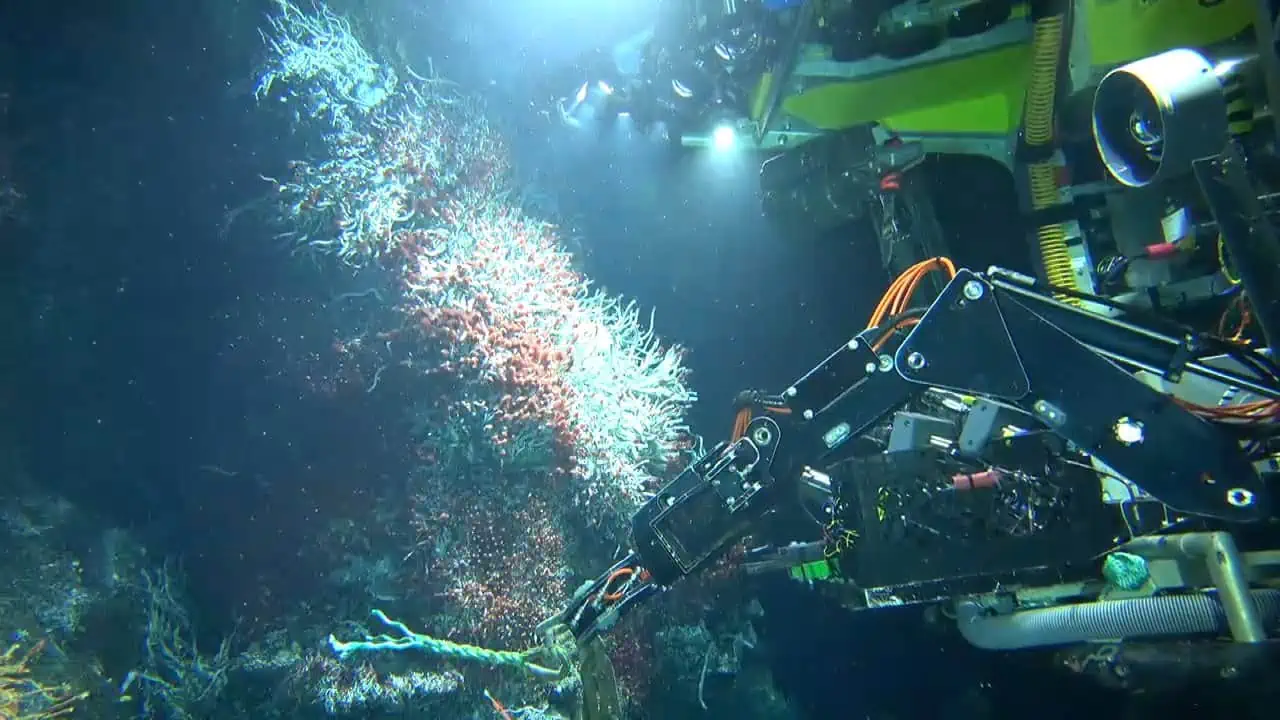
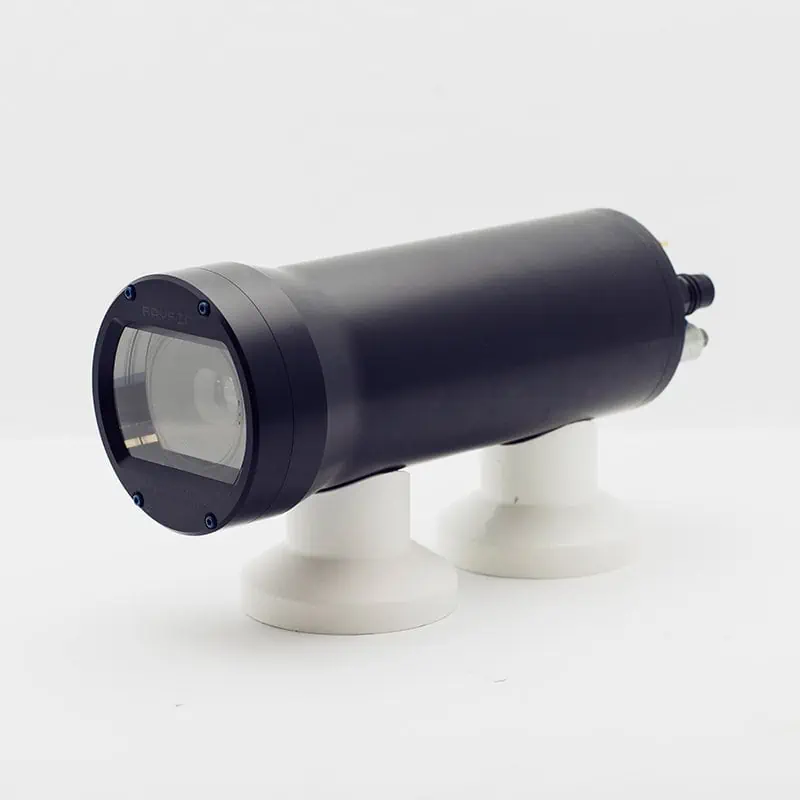
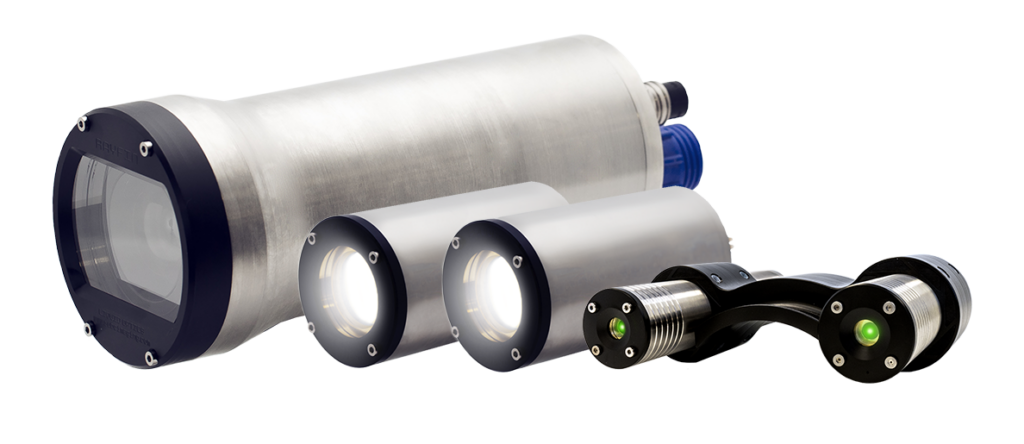
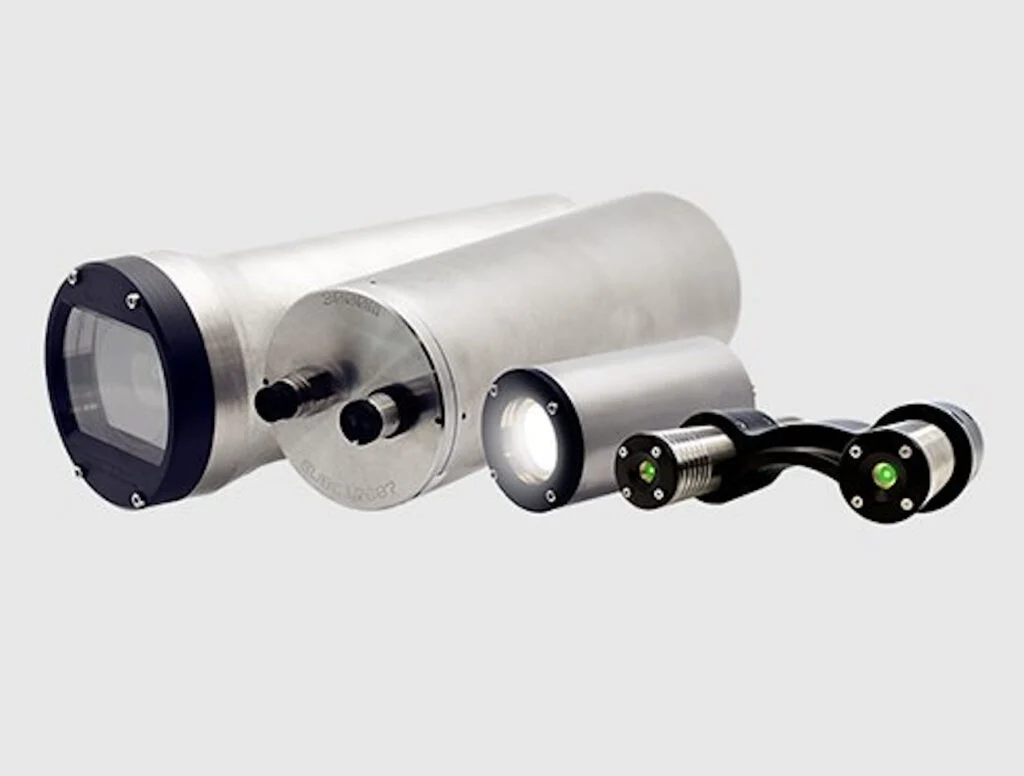
These advanced platforms, crafted by experts like SubC Imaging, are engineered to function autonomously for prolonged durations, gathering high-definition images and environmental metrics from some of the ocean’s most remote areas.
Customizable Functionality for Targeted Studies
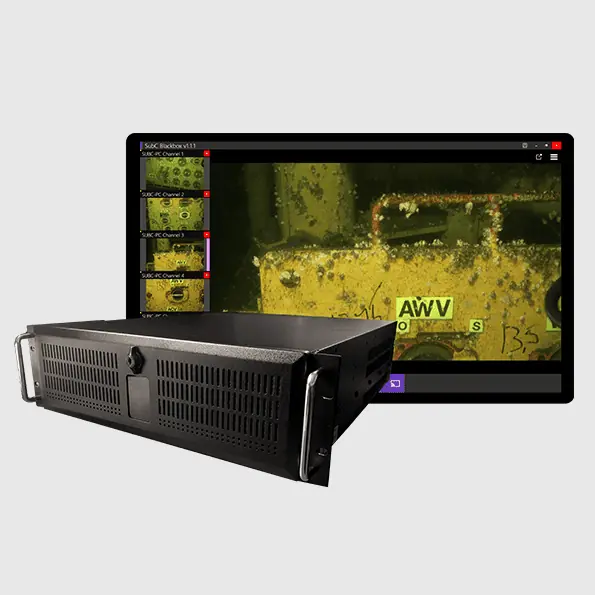
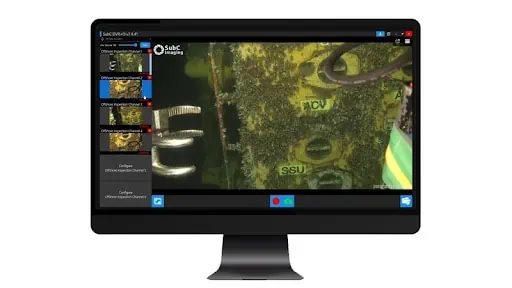
A standout feature of these systems is their programmability. Researchers can set them up to execute both straightforward and intricate scripts, enabling functionalities such as time-lapse photography, varying lighting conditions, or synchronizing video capture with environmental changes. For instance, SubC Imaging’s technology allows for tailored scripting, empowering scientists to adjust capture sequences to meet specific research objectives. this adaptability is especially beneficial for long-term observational studies or focused research initiatives.
Energy Efficiency and Sustainability
Energy efficiency plays a pivotal role in the effectiveness of these systems. SubC’s Battery 259, a robust lithium-ion power source, is specifically designed for autonomous underwater applications and features built-in protections against overcharging, excessive discharge, and short circuits. To further enhance energy conservation, optional hibernation features allow the system to follow a predetermined sequence before entering a low-energy state between data collection intervals. This capability supports extended deployments and time-lapse studies that can last for weeks or even months.
Versatile Deployment options
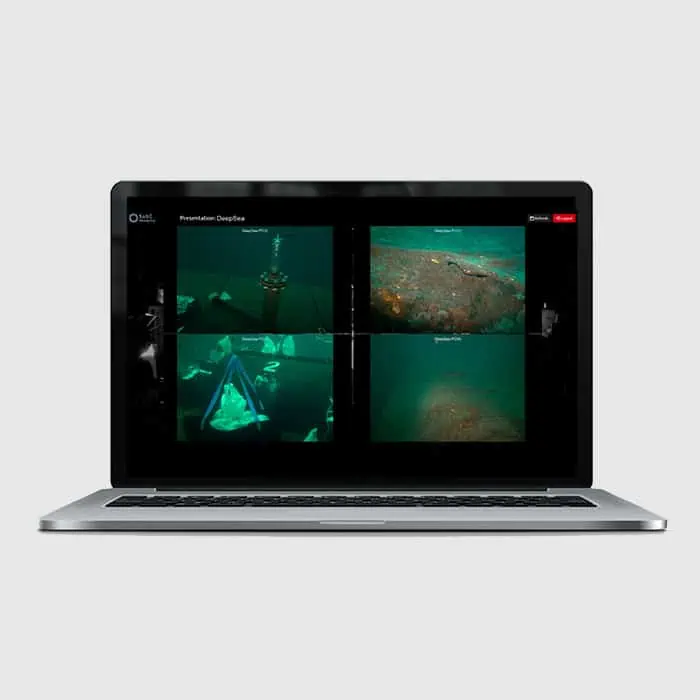
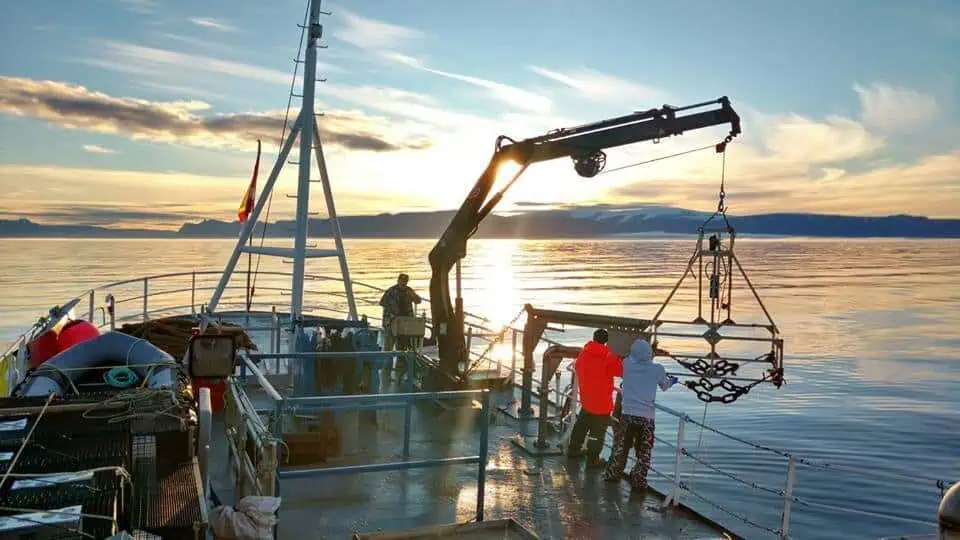
These camera systems are remarkably versatile in their deployment methods. They can be mounted on autonomous underwater vehicles (AUVs), integrated into drop systems, or deployed via baited and unbaited landers, making them suitable for a variety of marine environments. Many configurations can also incorporate environmental sensors that measure parameters like depth, temperature, and salinity, providing essential context alongside visual data. Depending on their setup, these systems can either store data locally or transmit it in real-time, facilitating both long-term research and immediate response studies.
Exploring Technological Innovations
The complete article offers an in-depth examination of the technological advancements that underpin these systems, including power management, data storage solutions, and the contributions of companies like SubC Imaging in enhancing these capabilities. Readers will gain insights into how this technology is expanding the horizons of marine exploration and its implications for the future of ocean science.
Discover the full article >>