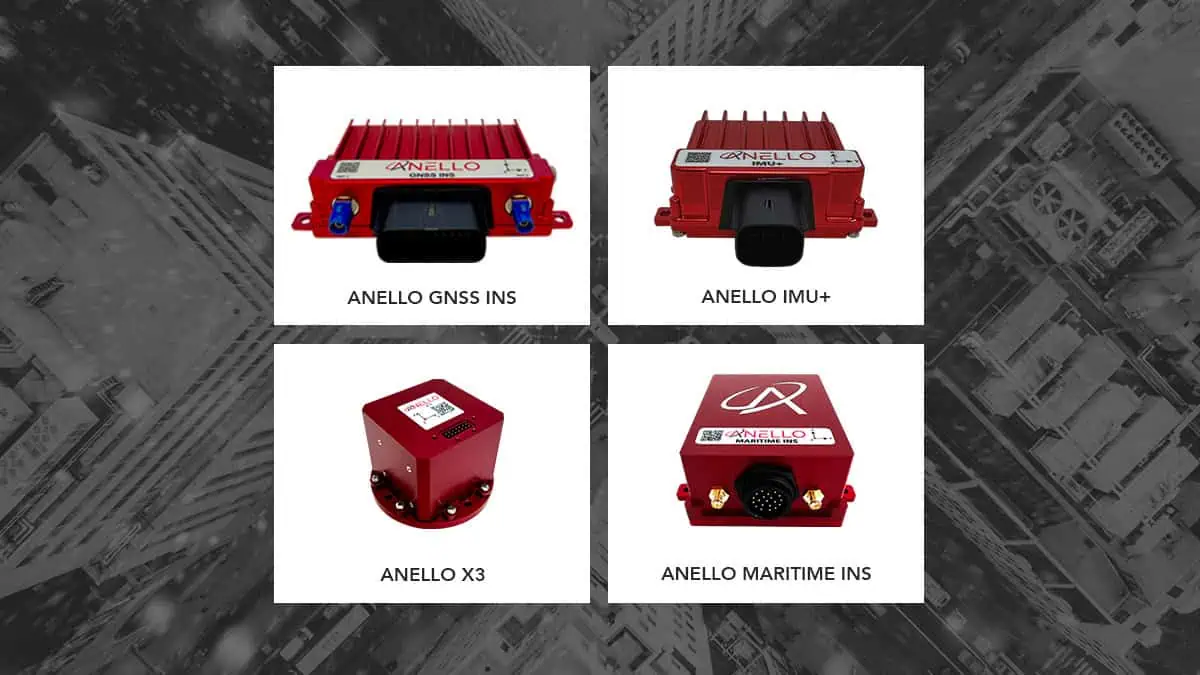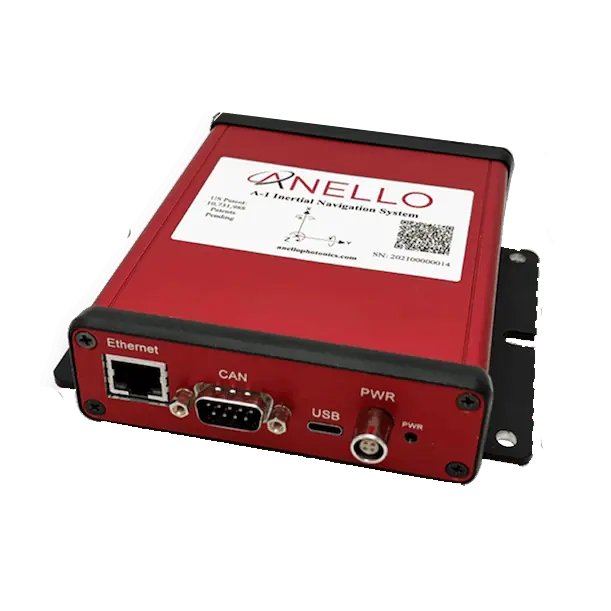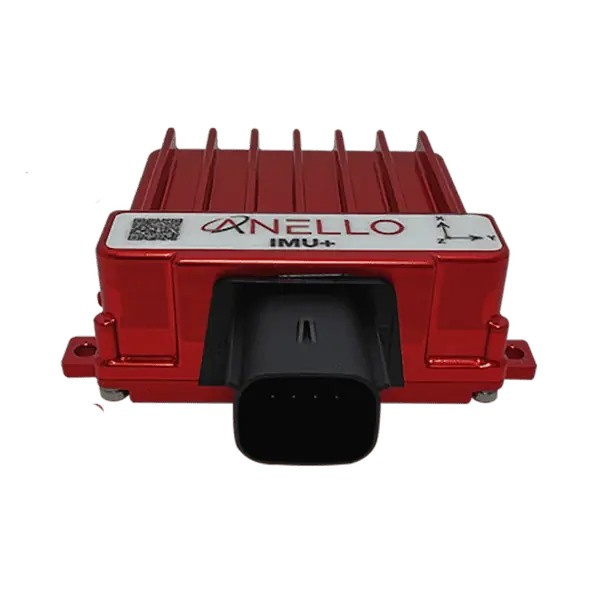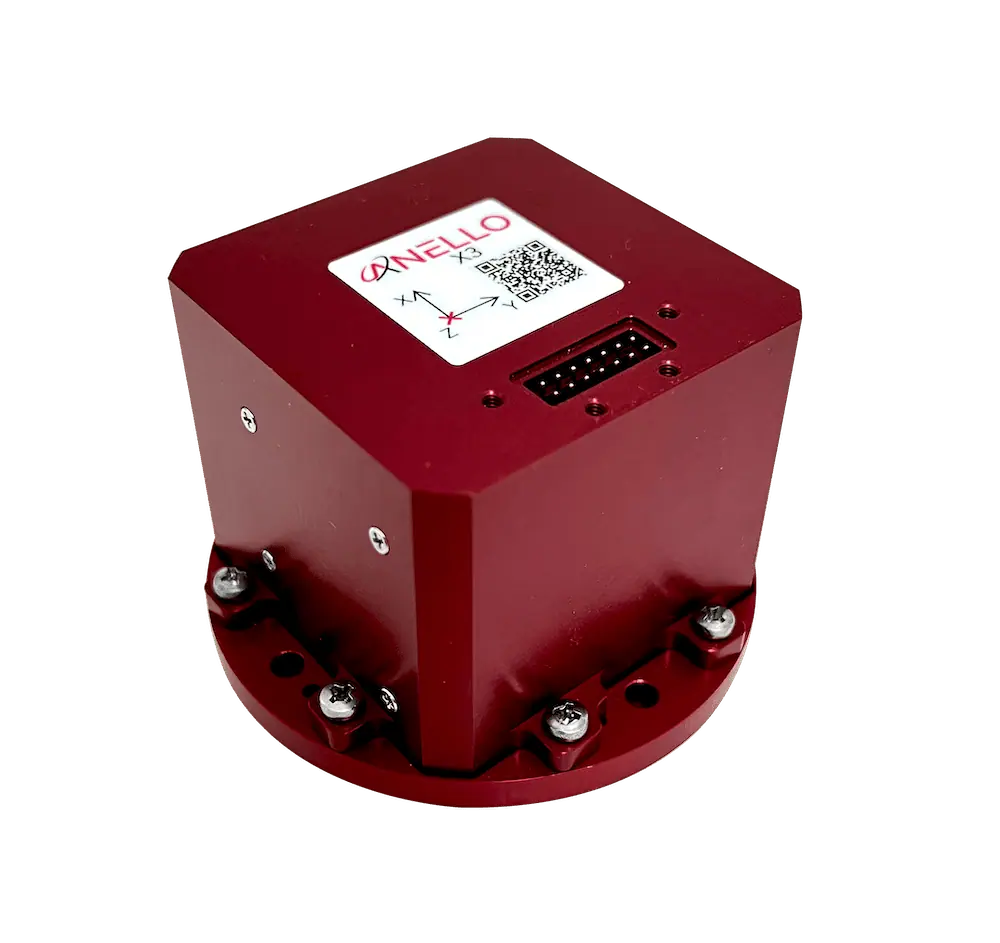


ANELLO Photonics is revolutionizing inertial navigation with its innovative SiPhOG™ (Silicon Photonics Optical Gyroscope) technology.
In an exclusive discussion, UST engages with Dr. Mario Paniccia, CEO of ANELLO, to explore the company’s commitment to making high-performance navigation sensors accessible, the transformative capabilities of SiPhOG, and ANELLO’s vision for the future of silicon photonics and optical gyroscopes.
Join the ANELLO team at CES 2025, taking place from january 7th to 10th in Las Vegas, booth #10570.
Understanding ANELLO’s Mission and the Role of SiPhOG
Could you elaborate on ANELLO Photonics’ primary mission and its connection to optical gyroscope technology, especially the siphog?
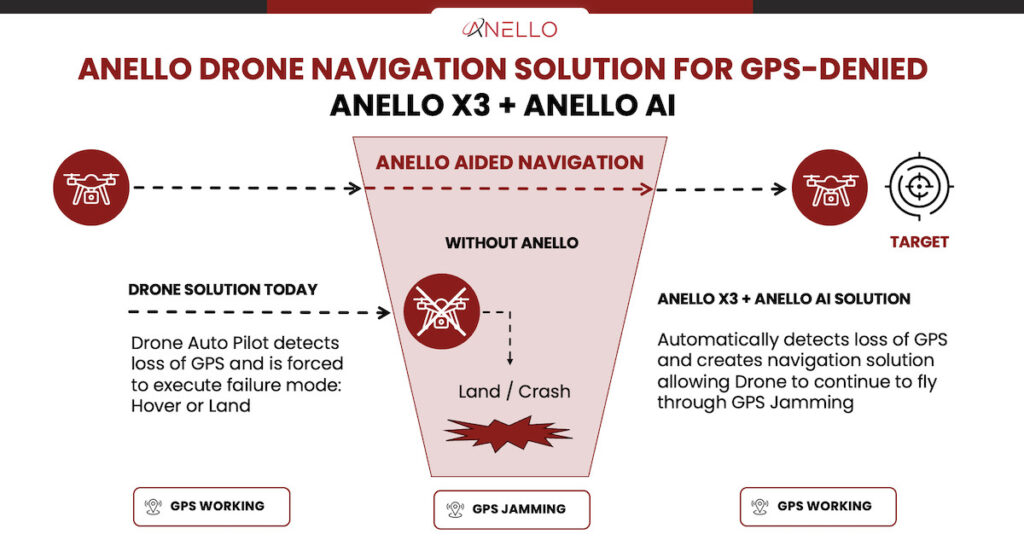
ANELLO aims to develop high-performance, cost-effective navigation sensors suitable for various autonomous applications. This goal is intricately linked to enhancing navigation capabilities in environments where GPS is unavailable or unreliable, particularly through advancements in optical gyroscope technology like the SiPhOG. Our objective is to fill a significant market void by providing high-quality, affordable navigation solutions.
The Significance of SiPhOG in ANELLO’s Vision
How does the SiPhOG specifically contribute to this mission?
The SiPhOG is a cutting-edge system characterized by exceptionally low drift rates—under 0.5° per hour—essential for precise navigation in GPS-denied settings. Its compact design, comparable to a quarter, and low power consumption make it ideal for autonomous systems. Additionally, the use of silicon photonics allows for a more affordable solution, effectively bridging the gap between high-cost traditional fiber-optic gyroscopes and less capable, lower-cost MEMS sensors.
Addressing Market Challenges with SiPhOG technology
what specific challenges does the SiPhOG address in the current market, particularly for unmanned systems?
the siphog technology tackles several critical issues.Firstly, it addresses size and weight; traditional gyroscopes tend to be bulky, whereas the SiPhOG is compact and lightweight, making it suitable for drones and small robotic systems. Secondly, it excels in power efficiency, operating at less than 1.3 watts, significantly more efficient than most alternatives. Lastly, the cost-effectiveness of silicon photonics makes it a more viable option compared to traditional fiber-optic gyroscopes. The SiPhOG is engineered to function reliably in GPS-denied environments, resist interference such as jamming or spoofing, and endure challenging conditions like vibrations and shocks.
Comparative Advantages of siphog Over Traditional Sensors
How does the SiPhOG stack up against traditional fiber optic gyroscopes and MEMS sensors in terms of size, weight, and energy efficiency?
The SiPhOG represents a significant advancement. Traditional fiber optic gyroscopes are larger and consume more power, sometimes reaching up to 8 watts, while the SiPhOG is smaller, lighter, and much more energy-efficient. It maintains high performance with drift rates below 0.5° per hour, a benchmark that MEMS sensors struggle to meet. Moreover, its scalability and ease of manufacturing are enhanced due to its reliance on semiconductor processes, eliminating the manual alignment required for conventional fiber optic gyroscopes.

Manufacturing and integration Benefits of SiPhOG
Does the SiPhOG offer any unique advantages in terms of manufacturing and integration?
Absolutely. The SiPhOG is produced using scalable semiconductor manufacturing techniques, allowing for large-scale production at reduced costs. Its compact size facilitates easy integration into various systems, including drones and autonomous vehicles. Additionally, its durability, characterized by no moving parts, enhances its resistance to temperature fluctuations and vibrations. We are also focused on enhancing its functionality over time, aiming to make the sensors even smaller, lighter, and more cost-effective. The SiPhOG is notably robust and resistant to temperature variations and electromagnetic interference, making it particularly valuable for unmanned systems operating in demanding environments.
The Future of Silicon Photonics and ANELLO’s Strategic Direction
What is your vision for the future of silicon photonics and optical gyroscopes, and how does ANELLO plan to maintain its competitive edge?
ANELLO is dedicated to improving performance, including further reducing the already impressive drift rate to compete with high-end fiber-optic gyroscopes. We are also focused on miniaturization to incorporate this technology into even smaller systems. Furthermore, we are enhancing scalability and cost-effectiveness to facilitate broader market adoption. Our expansion into sectors such as construction, agriculture, and defense, along with strategic partnerships, will propel the technology forward. This is an exciting era for the field, and ANELLO is poised to lead the way.
thank you for sharing your insights today. We look forward to witnessing ANELLO’s ongoing advancements in the unmanned sector.