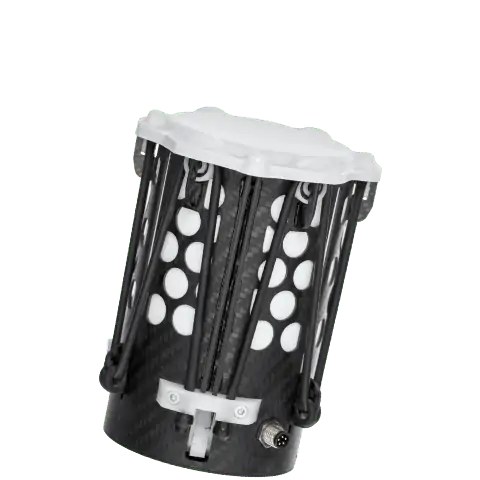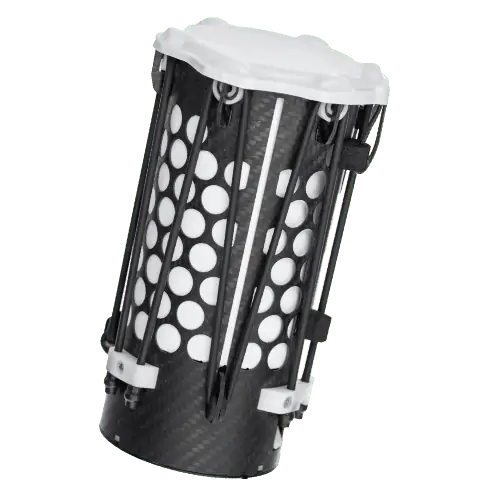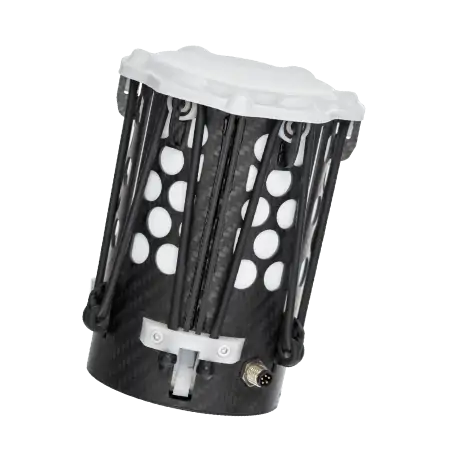

Introducing the Gremsy T3V3: A Lightweight Two-Axis Gimbal for UAVs
Gremsy has unveiled an innovative two-axis variant of its T3V3 gimbal, specifically engineered for industrial and enterprise-grade unmanned aerial vehicles (UAVs). Weighing only 745 grams, this new model is 30% lighter then its three-axis counterpart, enhancing operational efficiency and extending flight durations for various industrial applications.
why Choose a Two-Axis Gimbal?
While three-axis gimbals provide superior stabilization, they may not always be the best choice for every industrial task. For those in search of a compact and lightweight gimbal that excels in height and weight optimization, the new two-axis model presents an excellent option.It matches the image and video quality of three-axis systems while offering longer flight times. This gimbal can be tailored for specific uses, including land surveying, 2D and 3D LiDAR mapping, and inspections of critical infrastructure such as wind turbines, power lines, and bridges.
Real-World Applications: Bridge Inspections
Bridge inspections often pose significant challenges, especially when it comes to accessing the underside of structures. A drone equipped with a front-mounted two-axis gimbal can provide operators with an unobstructed view, allowing them to inspect both the top and bottom of the bridge. This capability enables inspectors to collect essential visual data from hard-to-reach areas, enhancing the overall assessment process.
compatibility and Connectivity
The two-axis T3V3 is fully compatible with the MAVLink protocol,allowing seamless integration with popular drone systems such as CubePilot and PX4.Additionally, it features advanced I/O connections, including USB-C, HDMI, AUX, COM, and POWER, ensuring effective interaction between the gimbal, camera, drone, and remote controller.
Flexible Mounting Options
The Gremsy two-axis T3V3 offers versatile mounting solutions, including front and bottom options. Utilizing the standard T3V3 dampening system, the gimbal can be easily installed beneath the UAV with the bottom mount. However, certain drones with shorter landing gear may require a dampening adapter for optimal performance. The front mounting option allows for customization of the dampening system to fit specific drone platforms, ensuring a tailored solution for various operational needs.