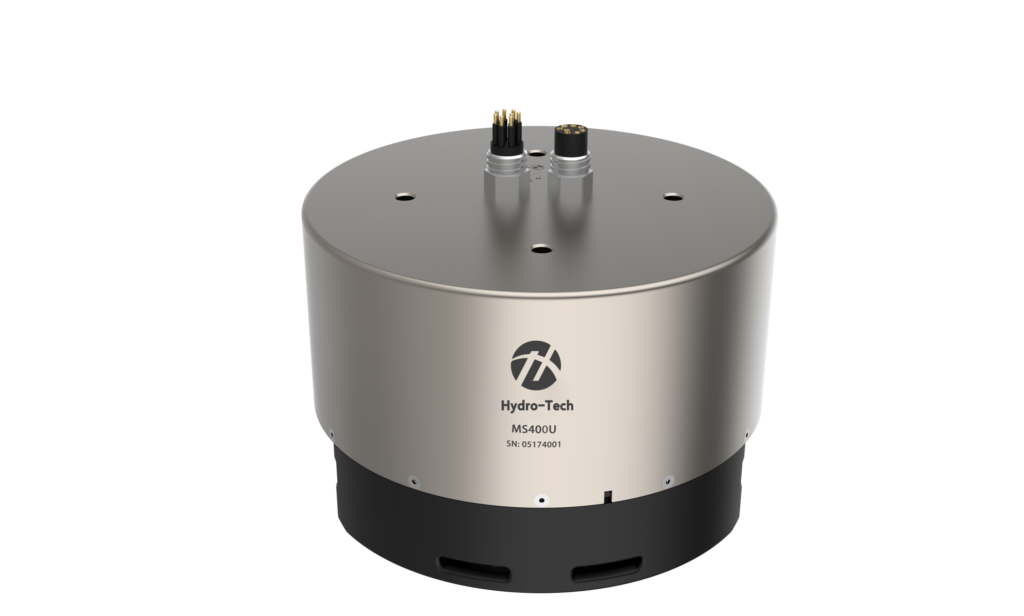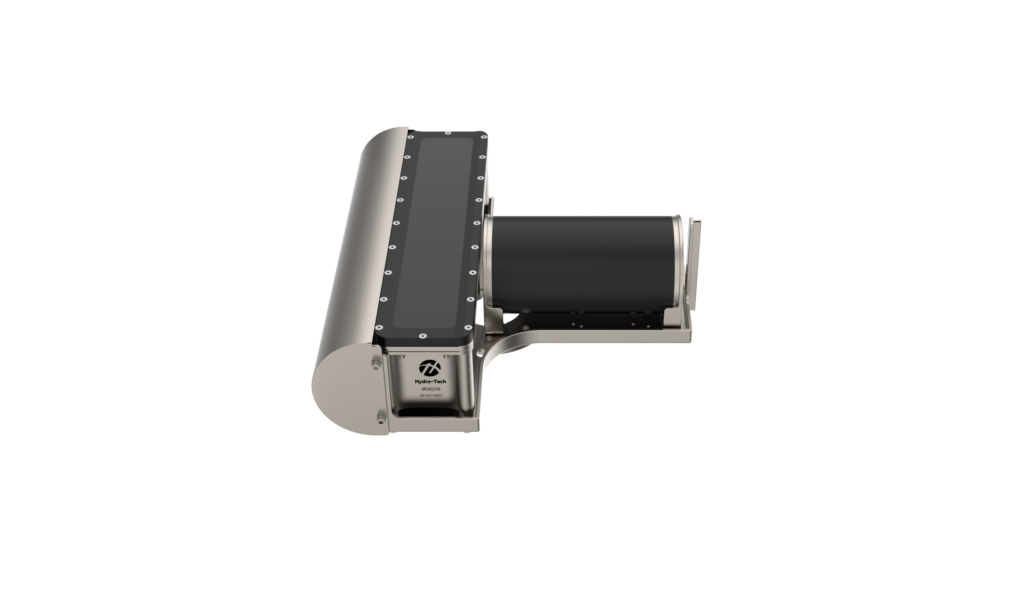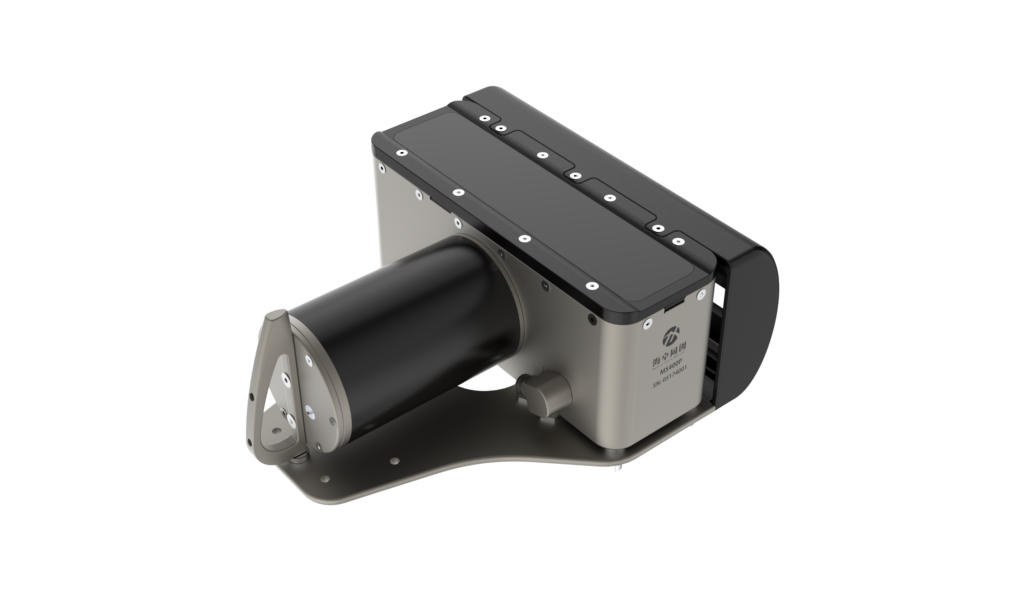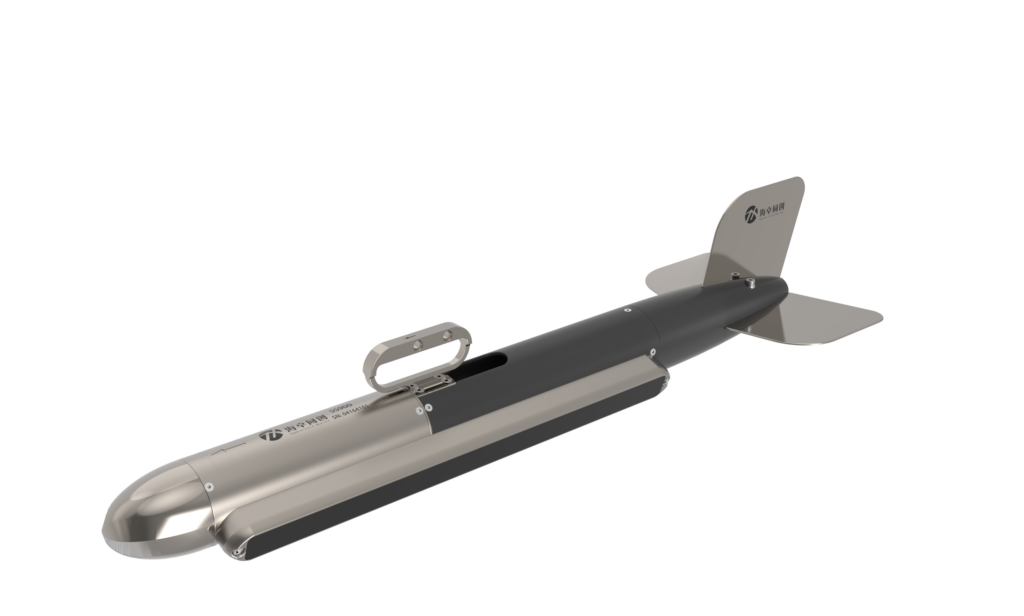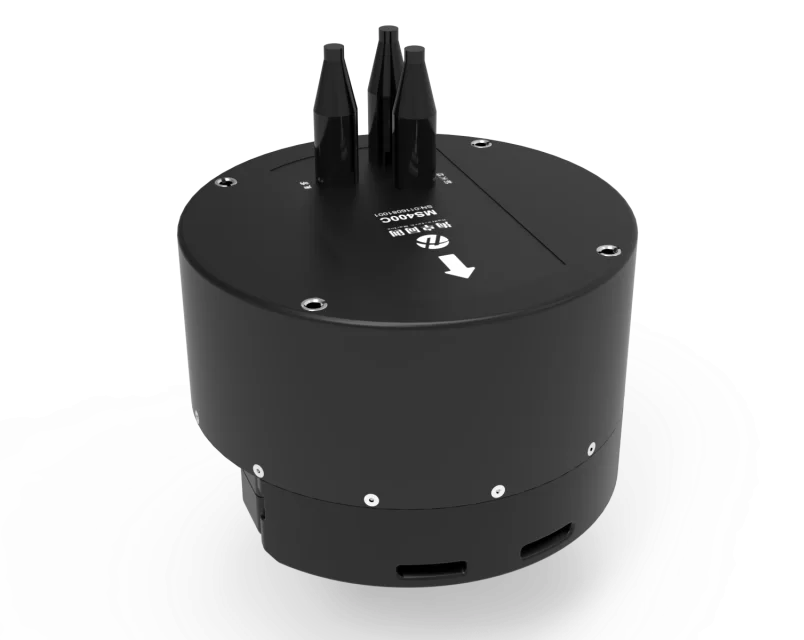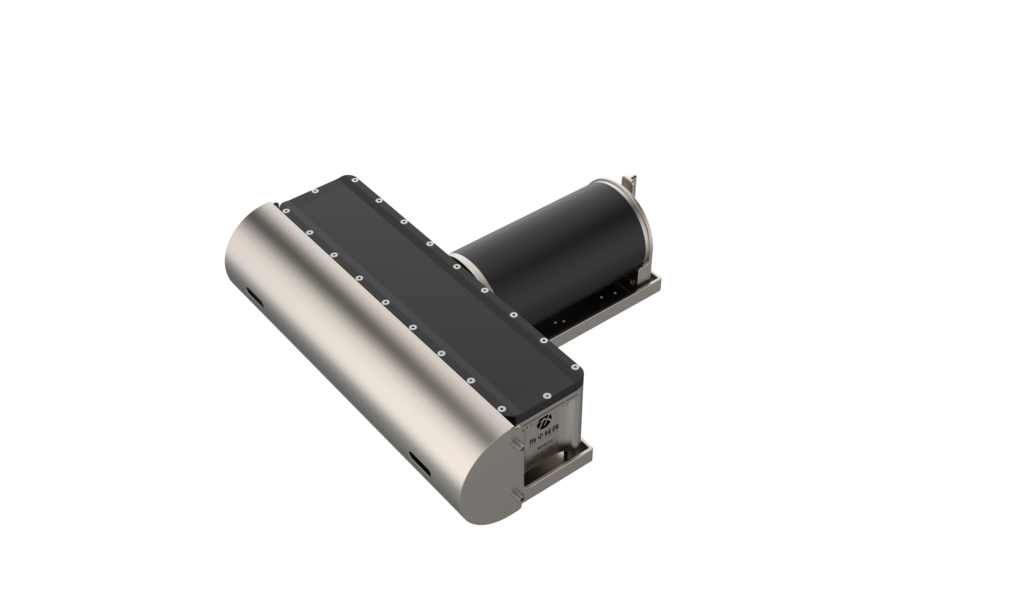

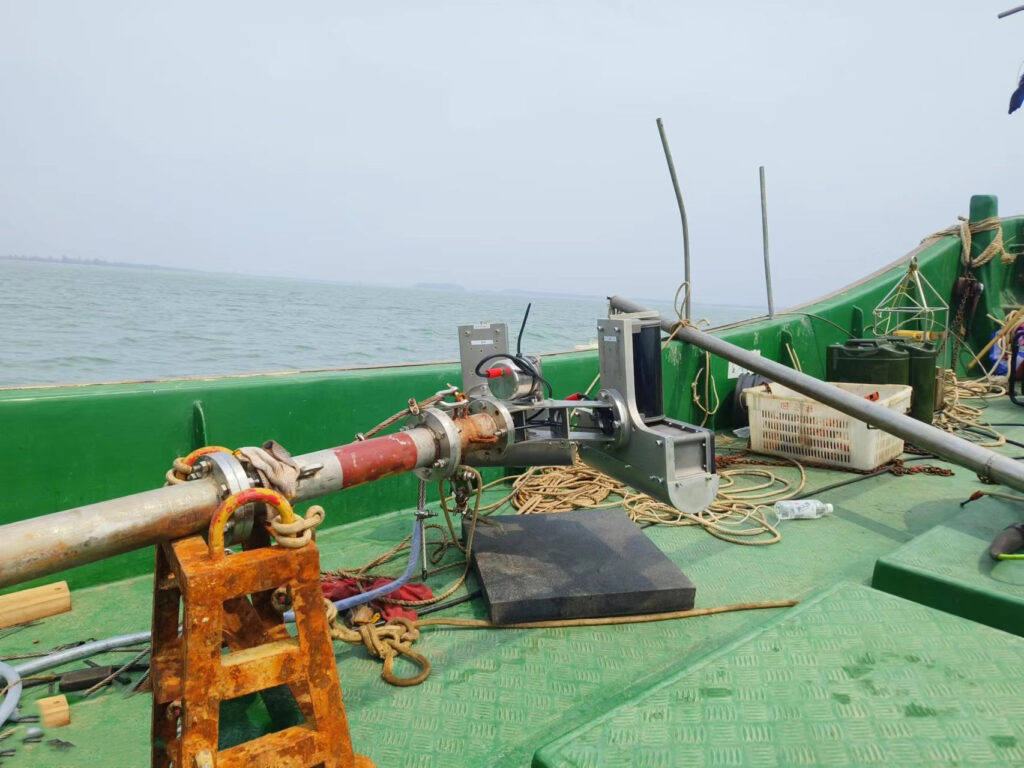
In the realm of oceanographic and bathymetric exploration, time is of the essence.The MS8200-IDH dual head multibeam echo sounder from Hydro-Tech has emerged as a highly efficient solution, significantly reducing survey durations while enhancing productivity. Discover more about the MS8200-IDH through this insightful case study from Hydro-Tech.
Understanding Multibeam Technology
Conventional underwater 3D mapping often relies on single-transducer multibeam echo sounders (MBES). Though,these systems face challenges with edge beam quality,which deteriorates quickly,limiting effective coverage to roughly 4-6 times the water depth. This issue arises from the reduced effective array aperture at steep beam angles, leading to inefficiencies in large-scale underwater mapping.
components of the System
-
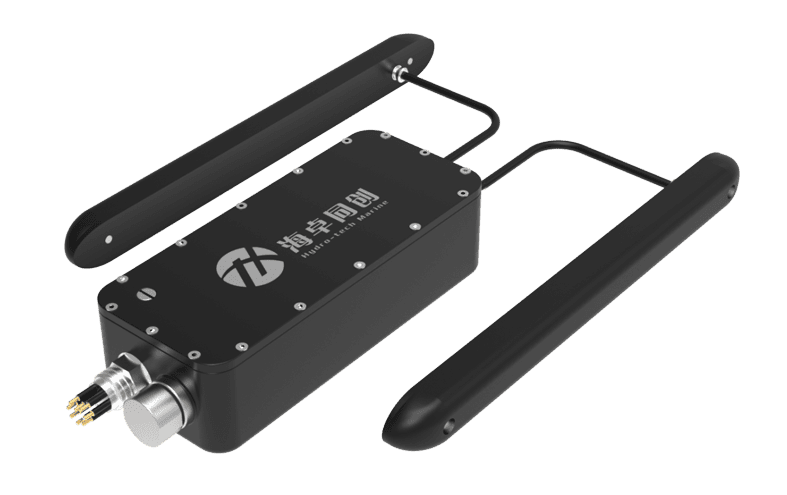
Two MS8200 multibeam echo sounders
-
One POS inertial navigation system
-
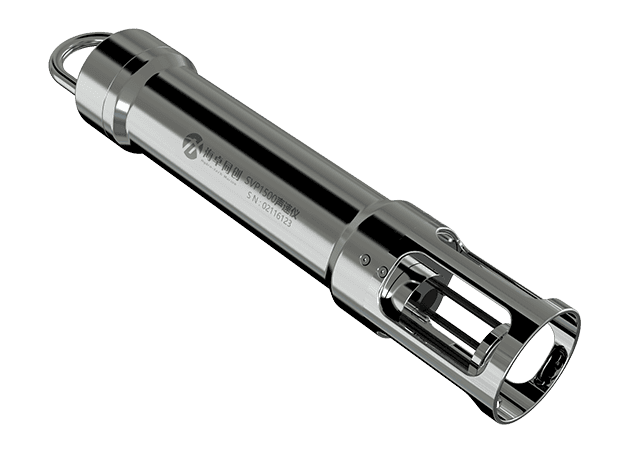
One SVS1500 sound velocity sensor
-
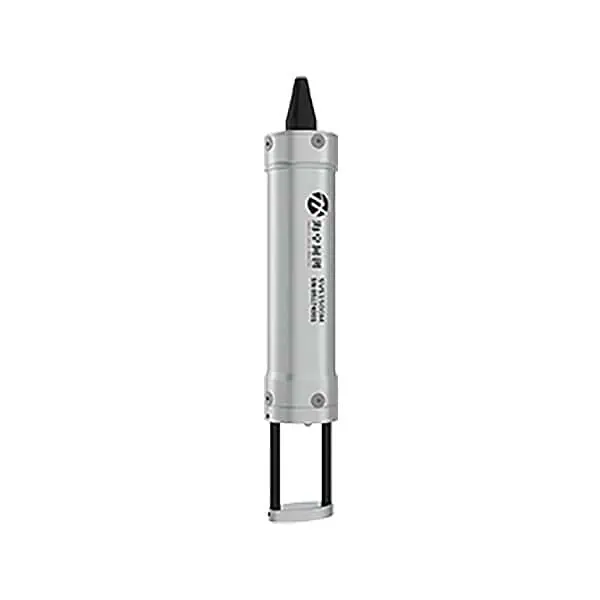
One SVP1500 sound velocity profiler
-
HydroQuest 2024 display and control software, along with HydroNavi survey and data acquisition software
-
Multibeam post-processing software
-
UPS power supply
-
One tide gauge
-
One sturdy mounting pole
Achieving a Wider Coverage with the MS8200-IDH
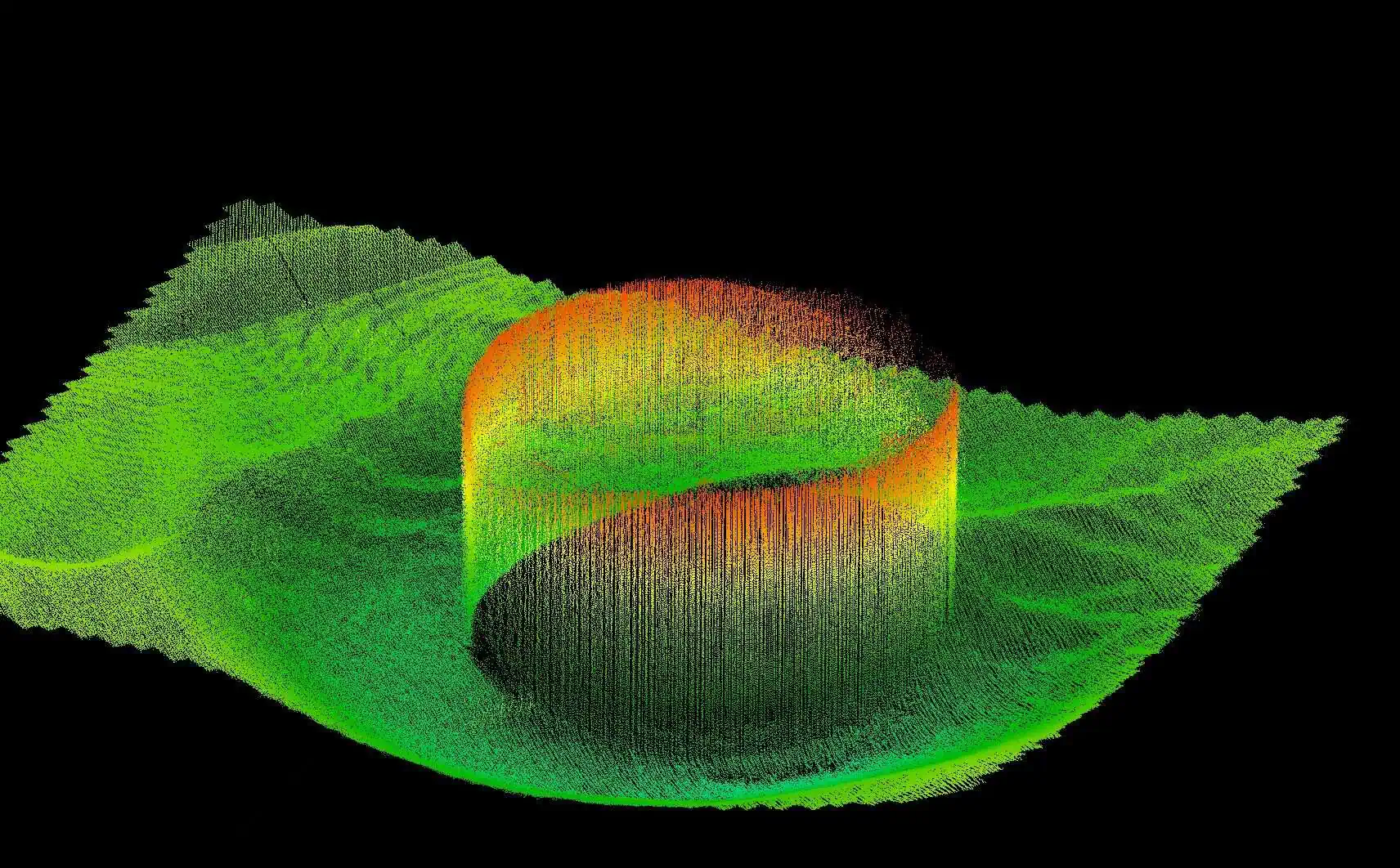
in shallow water settings, the coverage width is primarily influenced by edge beam width and reverse grazing angle. The V-shaped configuration of the dual heads enhances angular resolution compared to a single head aimed directly at the seabed. This advancement reduces the edge beam footprint significantly, achieving a fourfold improvement at an angle of 80 degrees. Actual surveys indicate that the effective swath can reach approximately 100 meters at a water depth of 10 meters.
Comparative Efficiency: dual Head vs. Single Head
Analysis of the effective swath from multibeam systems reveals a marked increase in survey efficiency with the dual head configuration. to quantify this improvement,a test was conducted comparing single and dual head performance in 10-meter deep water.
During the test, four continuous survey lines using the dual-head system were completed in approximately 3 hours and 15 minutes, with an average speed of 5.5 knots (10.29 km/h).
Following the dual-head survey, a single head was employed in the same area under identical conditions.The single head covered a swath of about 40 meters, mapping a total area of 2.47 km² over 6.67 hours, resulting in a total survey line length of 65.12 km.
comparative analysis of the data from both systems, while keeping all other variables constant, showed that the dual heads reduced survey time by 52.77% and the total survey line length by 59.86%.
In a recent oceanographic mapping project with a water depth of approximately 20 meters and a planned area of 600 km², the client initially estimated a 30-day operation. After discussions and environmental assessments, it was decided to utilize the MS8200-IDH dual head multibeam echo sounder. Remarkably, the survey was completed in just 15.5 days, covering a total survey line of 3700 km, effectively halving the expected project duration.
the analysis of swath data and overall survey efficiency indicates that the MS8200-IDH nearly doubles the effectiveness of large-scale ocean mapping, resulting in over 50% savings in both operational time and costs.
For a comprehensive look at the case study, click here, or visit the Hydro-tech website for further information.