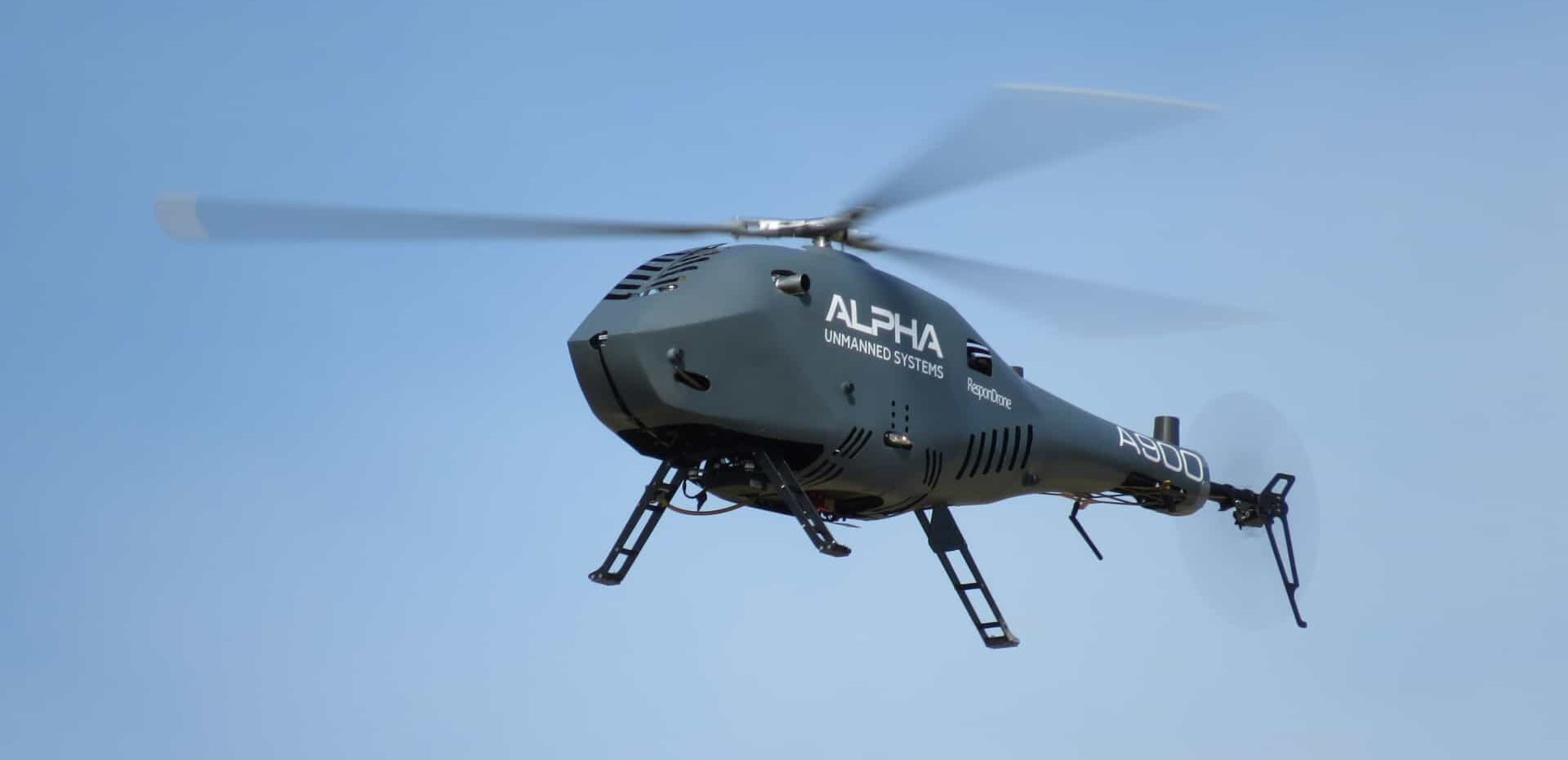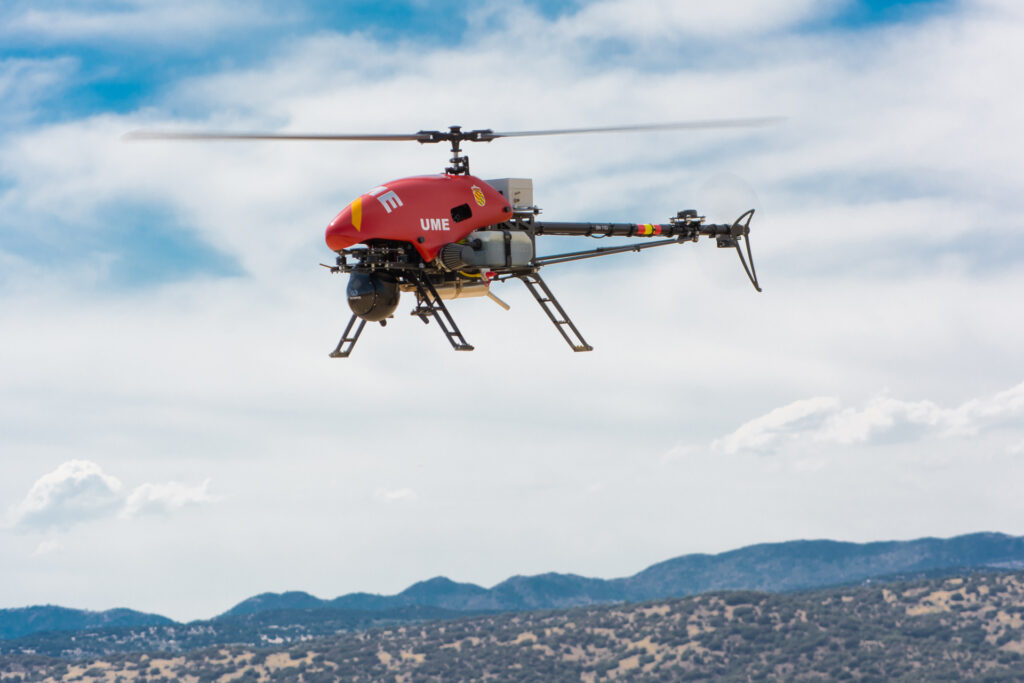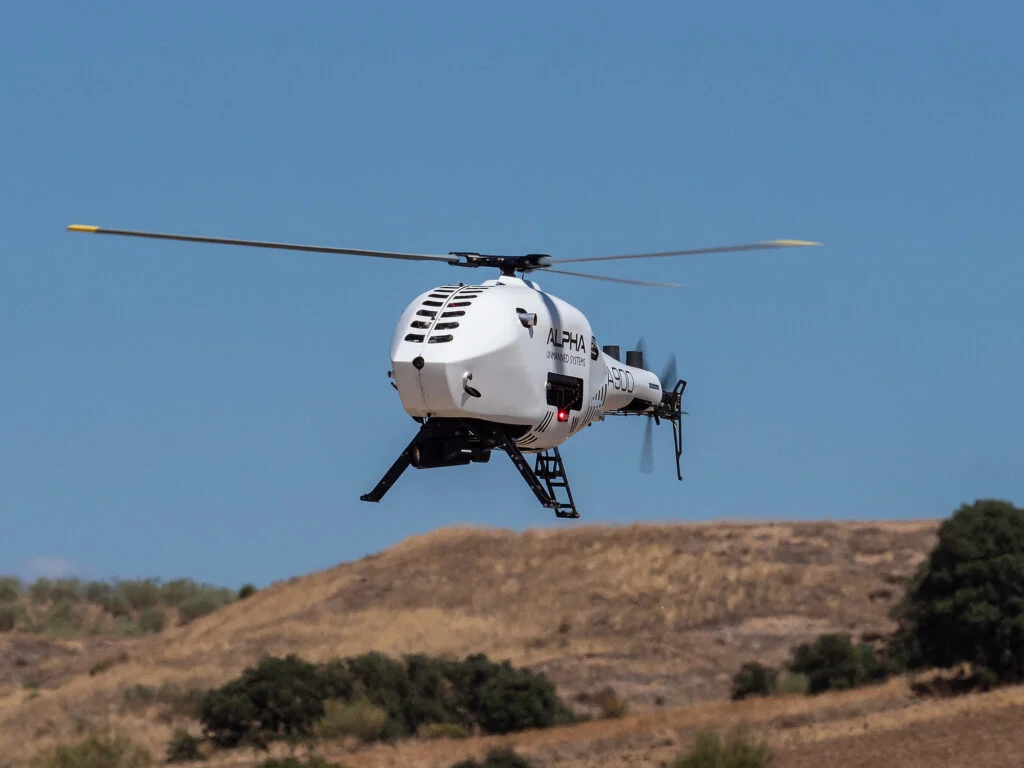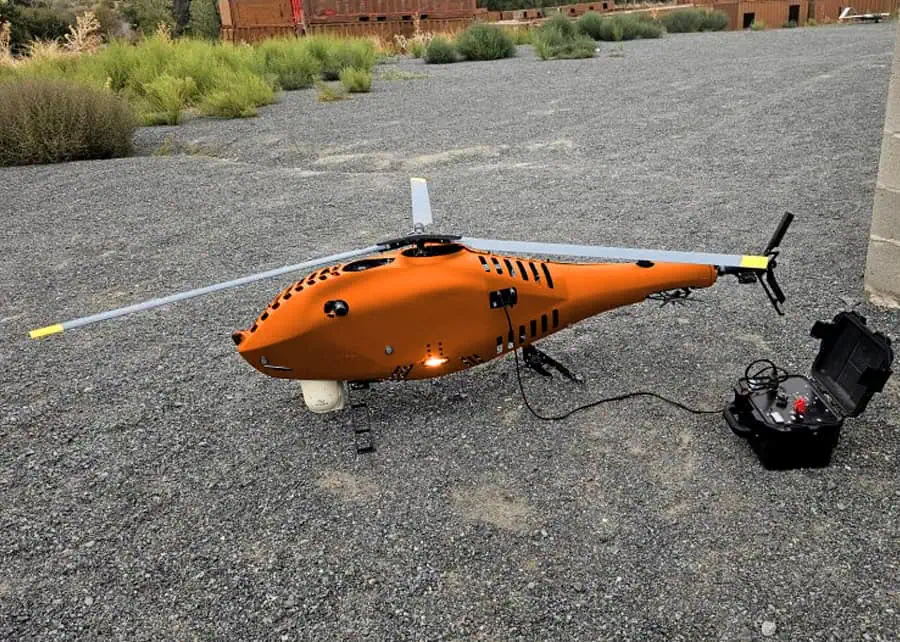


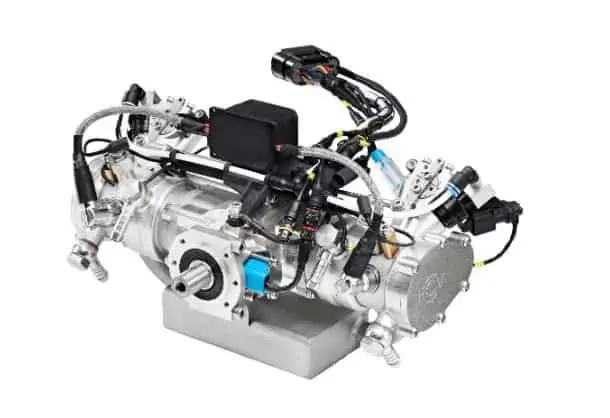
the Technical Director of RCV Engines presents insights into the company’s heavy fuel engines designed for unmanned aerial vehicles (UAVs), emphasizing their performance at elevated altitudes.
Exceptional Performance of RCV’s Heavy Fuel Engines
The standout feature of RCV’s UAV engines lies in their remarkable capability to operate on heavy fuel (HF).this is attributed to RCV’s advanced combustion technology, which allows the engine to adapt to variations in air-fuel ratios, ignition timing, ambient temperatures, engine heat, and fuel types.Such adaptability enhances the engine’s reliability, particularly in high-altitude scenarios.
Challenges Faced by other HF Engines
RCV recognizes that many heavy fuel engines with less robust combustion systems encounter difficulties when operating at high altitudes.Engines with marginal combustion systems struggle in thin, cold air, making HF operation increasingly problematic. In contrast, RCV engines maintain consistent performance irrespective of barometric pressure or other combustion-related factors.Once the fuel settings are adjusted based on the barometric pressure detected by the engine control unit (ECU), RCV engines can function effectively at altitudes of 15,000 feet, just as they do at sea level.
Operational Altitude Capabilities
The maximum altitude achievable is influenced by the weight of the airframe and its aerodynamic design. UAVs powered by RCV engines, utilizing JP5 and JP8 fuels, typically operate at altitudes around 11,000 feet (3,500 meters).notably, some have reached altitudes of 15,000 feet (4,500 meters), with the potential for even higher elevations when the aircraft is lightly loaded.
Further Insights into RCV’s Combustion Technology
For a thorough understanding of RCV’s innovative combustion system, please visit the dedicated section on the company’s official website.