

The Expanding Influence of Submersible ROVs in maritime Security
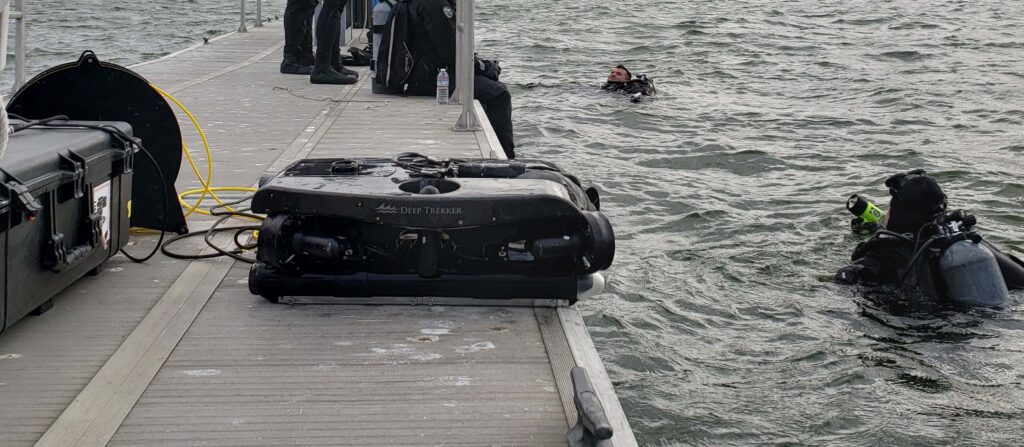
In the insightful piece ‘Enhancing Underwater Security: The Impact of ROVs on Customs and Border Protection’, Deep Trekker highlights the revolutionary role of submersible remotely operated vehicles (ROVs) in modern underwater inspections, showcasing their effectiveness in detecting smuggling, sabotage, and various security threats.
Challenges of Traditional inspection Methods
As maritime threats become increasingly elegant, conventional inspection techniques, wich often depend on human divers, are finding it difficult to meet the growing operational demands and safety standards. ROVs are now frequently deployed to examine submerged areas of vessels, including propellers, bow thrusters, and hulls—common spots for hiding illegal goods. With advanced imaging and sonar technologies like the oculus M3000, deep Trekker’s ROVs deliver high-quality visuals and thorough evaluations in low-visibility conditions. Their capability to navigate tight or dangerous spaces without risking human lives significantly boosts both safety and efficiency during port inspections.
broader Applications of ROV Technology
Beyond ship inspections, ROVs play a crucial role in monitoring infrastructure and supporting naval operations. Thay are utilized for evaluating dock foundations and aiding in explosive ordnance disposal, showcasing their adaptability and driving their adoption among military and civilian organizations. Collaborations with entities such as the US Customs and Border Protection, the Canadian Navy, and various international defense forces highlight the growing reliance on ROV technology for critical underwater missions.
Future Innovations in ROV Technology
With continuous advancements in artificial intelligence, precise navigation, and sensor technology, ROVs are evolving into essential instruments for maritime security. Deep Trekker’s involvement in initiatives like Canada’s AI ROV Ship Modeling and Detection project indicates a move towards more intelligent and autonomous inspection processes. The complete article delves deeper into these innovations and the strategic advantages ROVs offer in safeguarding maritime borders and infrastructure.
Discover more >>