Exploring urban Air Mobility: Insights from FT Technologies’ Wind Sensor Study
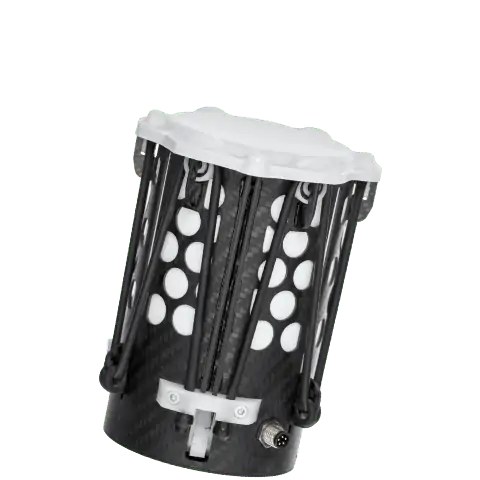
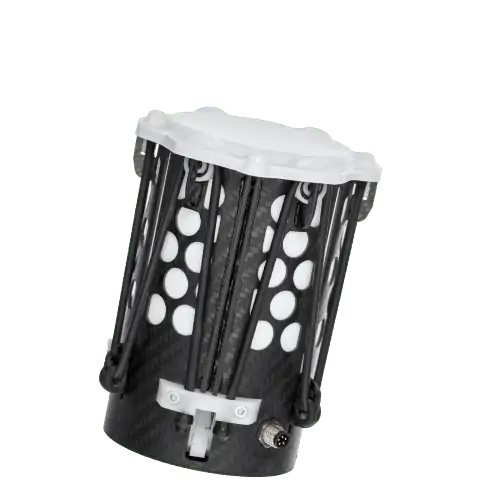
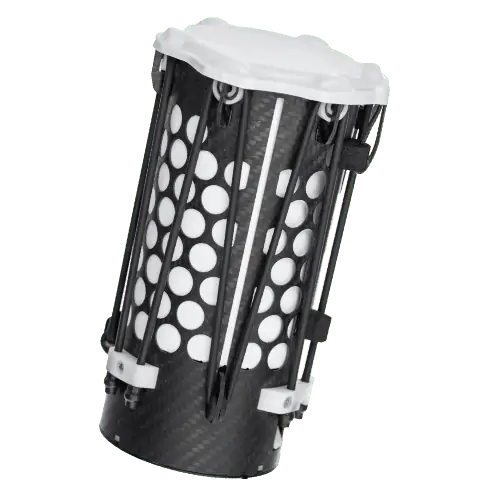
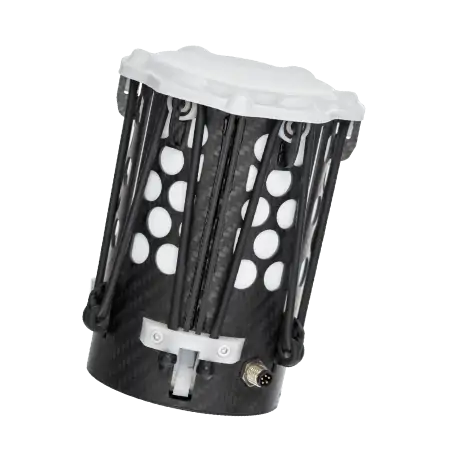
FT Technologies, renowned for its advanced wind sensors tailored for unmanned aerial vehicles (UAVs), has unveiled a compelling case study that highlights the application of its ultrasonic wind sensors. This research was conducted in collaboration with a team from Embry-Riddle Aeronautical university and Gaetz Aerospace,focusing on the impact of urban environments on drone operations.
Understanding Urban Air Mobility (UAM)
The research initiative aimed to delve into the complexities of Urban Air Mobility (UAM), a forward-thinking concept designed to establish a secure and efficient aerial transport network. This network includes innovations such as delivery drones and unmanned aerial taxis. For UAM to be recognized as a feasible solution in densely populated areas, it is crucial to comprehend how urban structures, like streets flanked by buildings, influence drone performance.
Methodology: Innovative Testing with DJI S1000
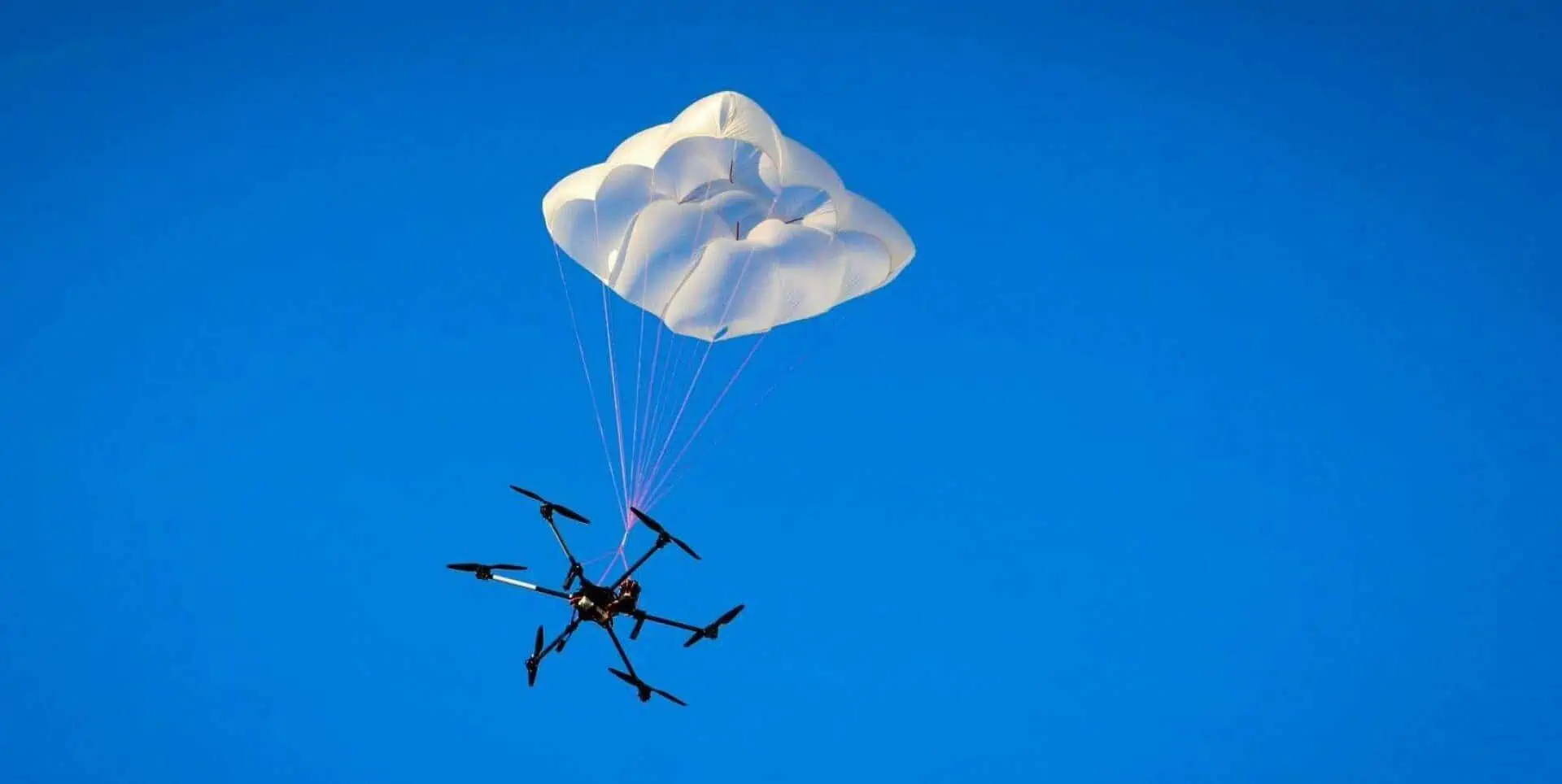
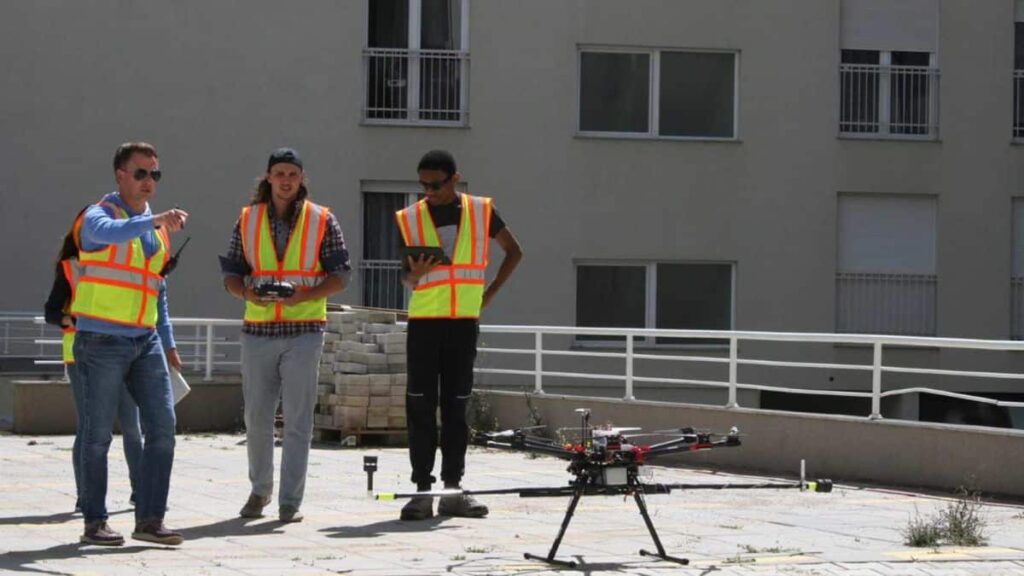
The research team utilized a DJI S1000 drone equipped with specialized instruments and payloads. This setup featured two FT Technologies wind sensors strategically positioned to capture both horizontal and vertical wind variations. The data collected from these anemometers was integrated with aerial imagery captured by the drone, facilitating the creation of 3D models that illustrate wind dynamics in urban settings.
Importance of Findings
The lightweight and precise nature of these sensors made them exceptionally effective for assessing wind turbulence within urban canopies. The insights gained from this study are expected to enhance our understanding of airflow patterns and microclimates in urban areas,which is vital for the successful integration of UAM aircraft into city landscapes.