

Innovative Uncrewed Teaming Achieves Milestone in Sensor-to-Shooter Operations
In a groundbreaking exercise last year, the U.S.Navy’s Program executive Office for Unmanned and Small Combatants conducted a multi-domain fast in-shore attack craft (FIAC) drill in Key West, Florida, collaborating with 15 partners from the Department of Defense and the private sector.
Successful Integration of Uncrewed systems
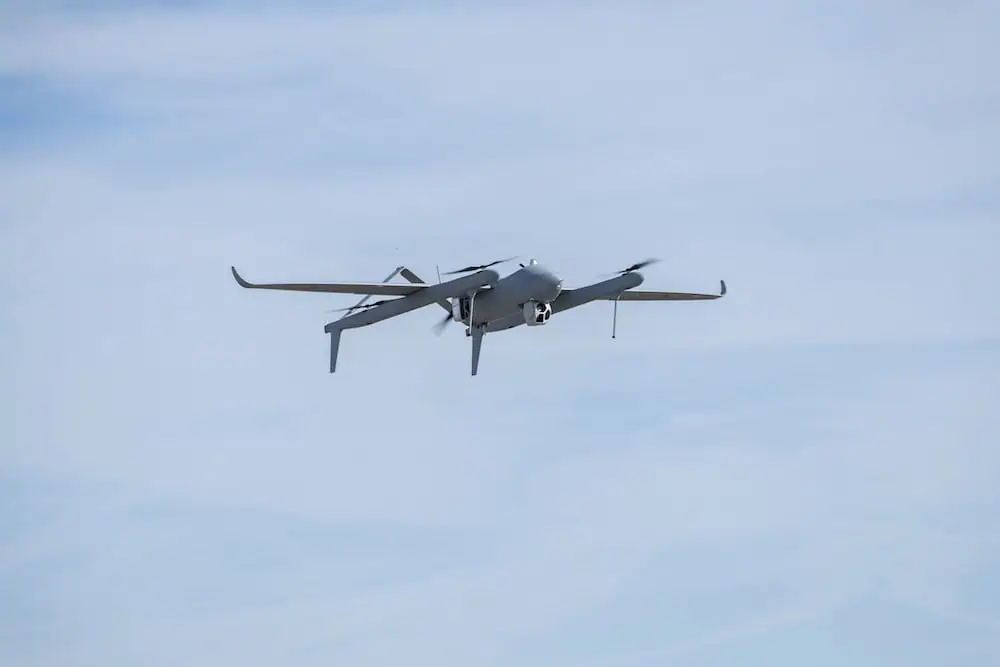
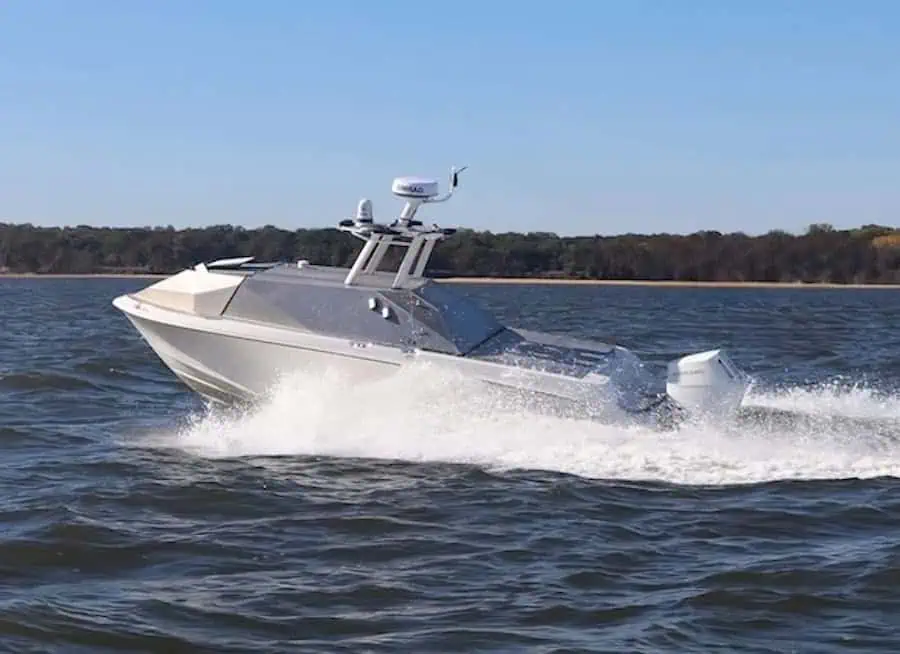
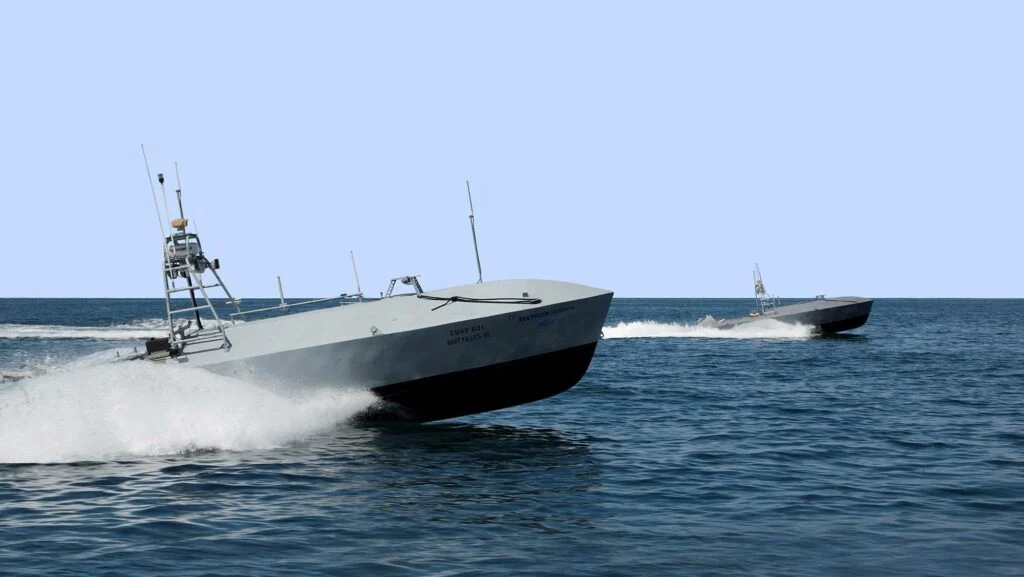
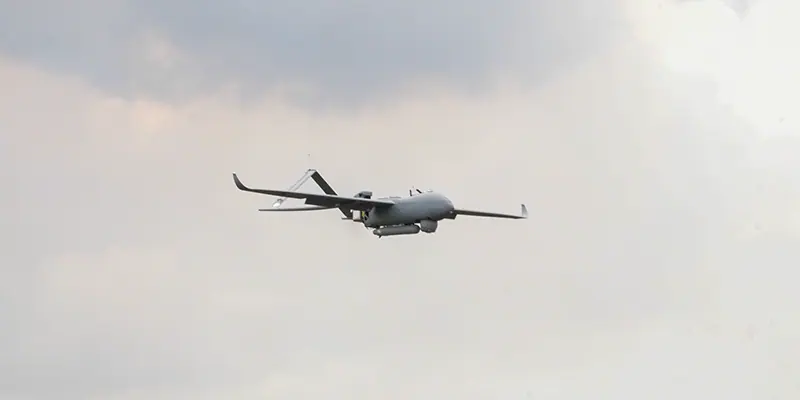
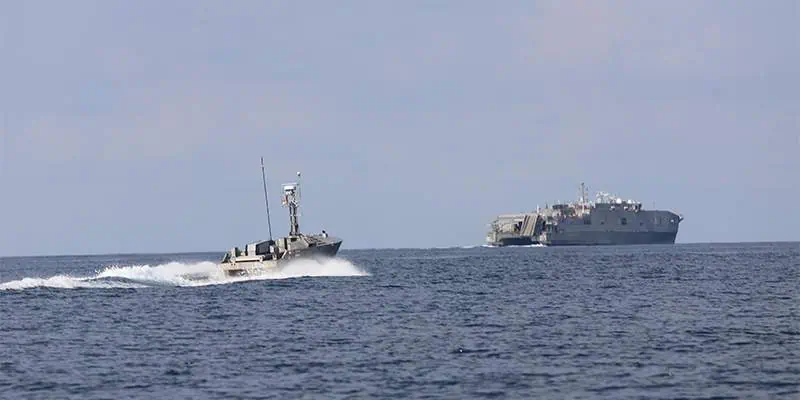
During this event, personnel effectively combined the Textron Systems Aerosonde® Uncrewed Aircraft System (UAS) with the CUSV® (Common Uncrewed Surface Vehicle) to carry out a comprehensive detect-to-engage mission.
First Live-Fire Engagement with CUSV
In a historic first, the U.S. Navy employed the CUSV to conduct a live-fire engagement, utilizing a small uncrewed surface vehicle integrated with a missile system. By harnessing Textron’s advanced cross-domain systems integration, the CUSV collaborated with the Aerosonde system to identify, target, and successfully engage multiple incoming surface threats.
Expert Insights on Uncrewed Teaming
“This uncrewed teaming framework builds on the initial VTOL (Vertical Take Off and Landing) UAS demonstration in UNITAS,” stated David Hendrickson, Director of Global Military Sales and Strategy at Air Systems. “By integrating the CUSV with a firing platform, we enhance the operational range of surface combatants, enabling them to detect, identify, and engage threats from a safe distance with precision.”
Advanced Control Systems for Enhanced operations
The CUSV and Aerosonde systems were managed through the U.S. Navy’s Common Control System, utilizing the Mission Package Portable Control Station (MPPCS) for both line-of-sight and beyond-line-of-sight communications.
Remarkable Flight Performance
throughout the three-day exercise, the Aerosonde Hybrid Quad (HQ) system achieved over 16 hours of flight time. Utilizing its VTOL capabilities, the Aerosonde launched from the ship’s deck to provide intelligence, surveillance, and reconnaissance (ISR) data to the CUSV, which was armed with the LIG Nex1 Poniard missile system. This live-fire scenario allowed Navy personnel to leverage UAS data for tactical decision-making and target engagement by a weaponized small USV.
Demonstrating New Capabilities
“this exercise has demonstrated to our clients the feasibility of integrating a missile system on a small USV while utilizing a UAS for range clearance and ISR targeting,” remarked Craig Bowden,Senior Director of Global Military Sales and Strategy at Sea Systems.
“The combination of the CUSV with the poniard system and targeting data from the Aerosonde equips the Navy to counter surface swarm threats that would typically require a crewed vessel.”
Enhancing Safety and Mission Coordination
While uncrewed assets still require human oversight, the collaboration between uncrewed systems enhances safety, mitigates unnecessary risks, and improves mission ISR coordination. Textron Systems is actively refining its approach to target coordinate handoffs between uncrewed teammates, aiming to boost the responsiveness and effectiveness of future operational capabilities.