

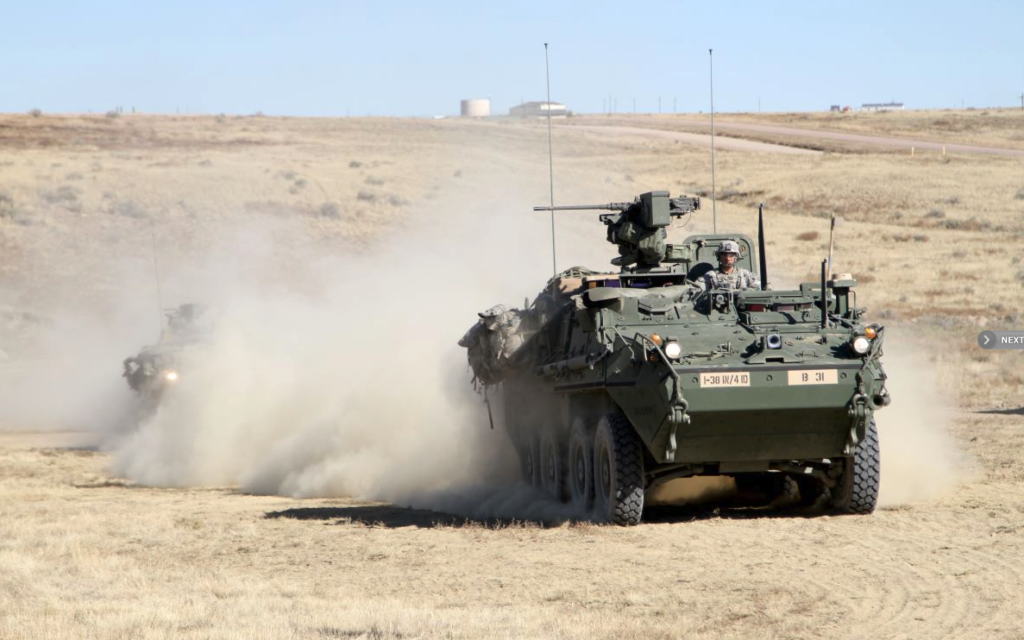
Military vehicle navigating rough terrain.
Ensuring Electronic Resilience in Military Operations
Defense electronics are engineered to endure the harsh realities of combat zones. LCR Embedded Systems delves into the significance of rugged casings and isolation systems in safeguarding vital technologies under extreme conditions.
the Challenge of Autonomous Technology
as autonomous technology advances, unmanned systems are redefining the standards for electronic durability. Drones and robotic vehicles face environmental challenges that can severely impact standard electronics,making ruggedization an essential aspect of their design and functionality.
Operating in Extreme Conditions
Unmanned aerial vehicles (UAVs), ground-based robots, and maritime drones are deployed in some of the most challenging environments imaginable. These systems must endure drastic temperature variations, from frigid arctic climates to scorching desert heat, and also critically important mechanical stress during rapid maneuvers. They also experience continuous vibrations from their propulsion systems, sudden shocks from rough terrains or aerial disturbances, and persistent electromagnetic interference typical of combat scenarios.
Understanding Shock and Vibration
Shock refers to abrupt, forceful impacts that can potentially harm equipment, while vibration involves repetitive motions across different frequencies and intensities. Military standards such as MIL-STD 810 and 901 outline testing protocols for expected disturbances in combat zones. Shock and vibration testing tables simulate these conditions to evaluate system resilience.
Strategies for Ruggedization
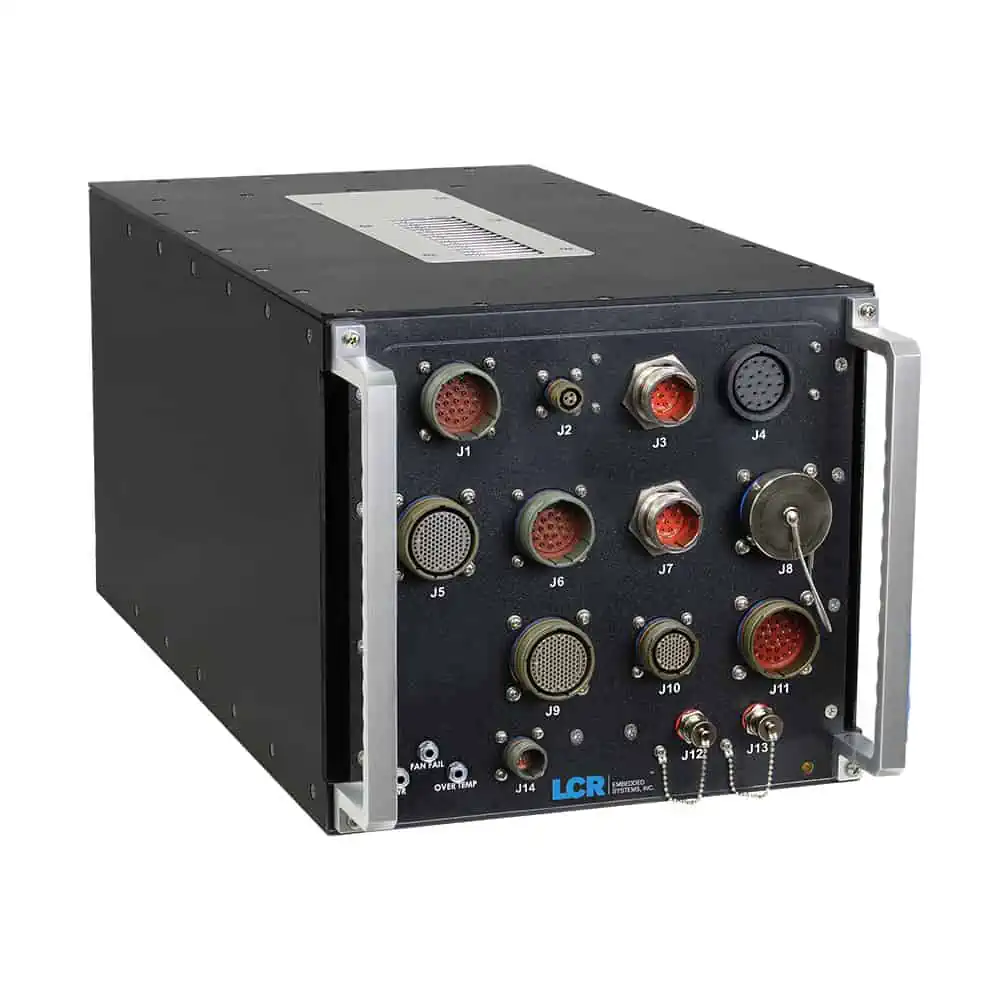
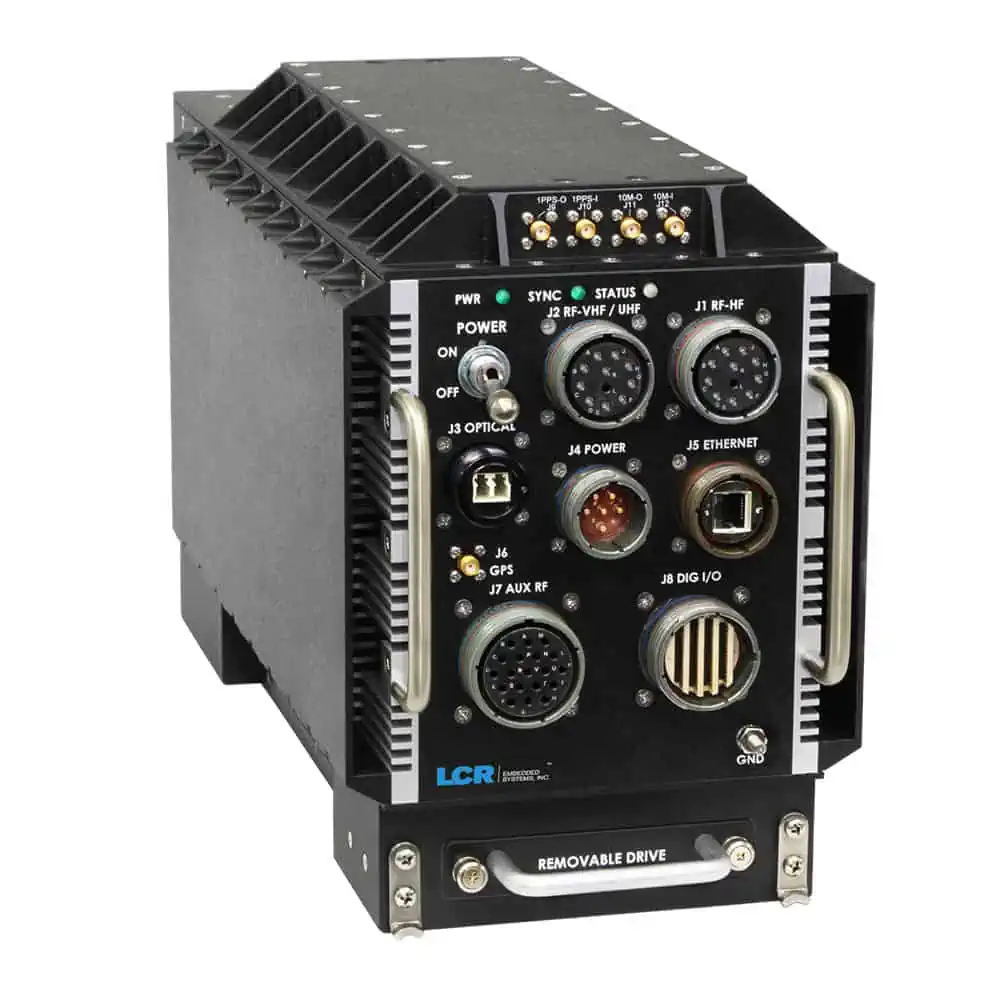
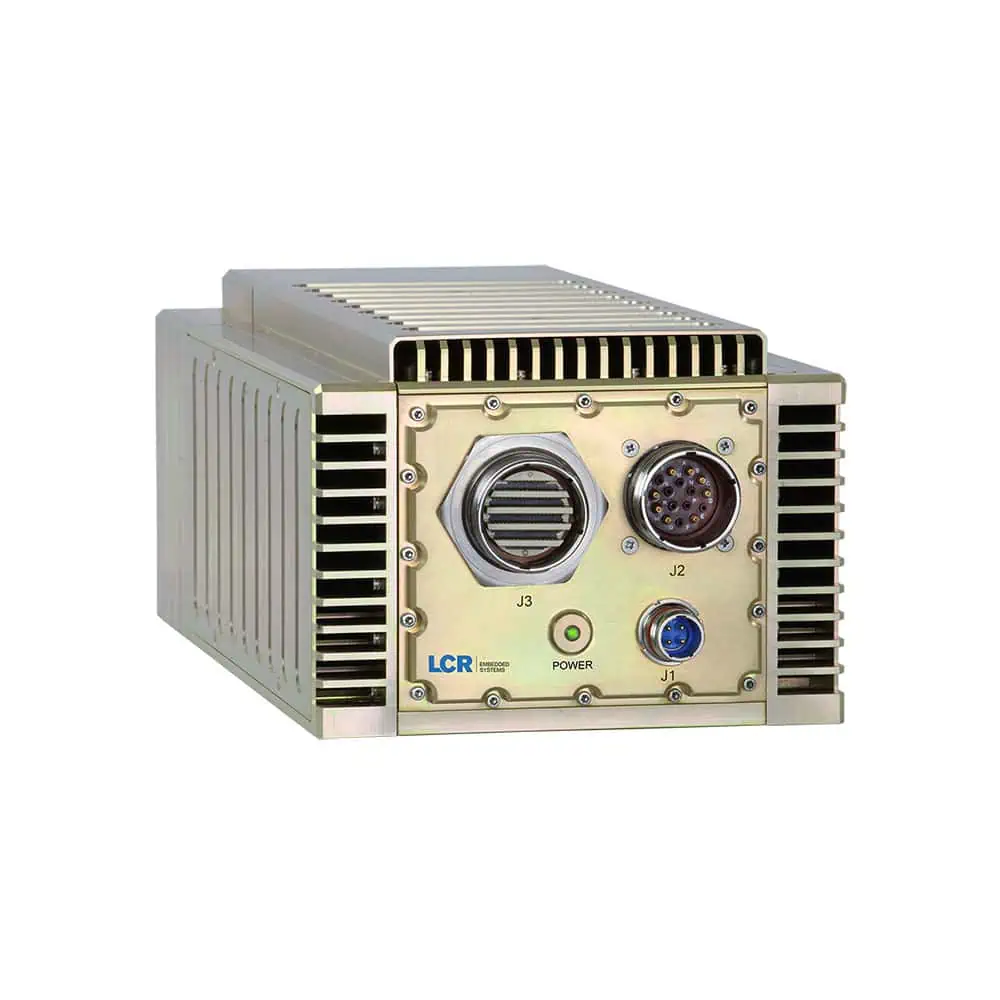
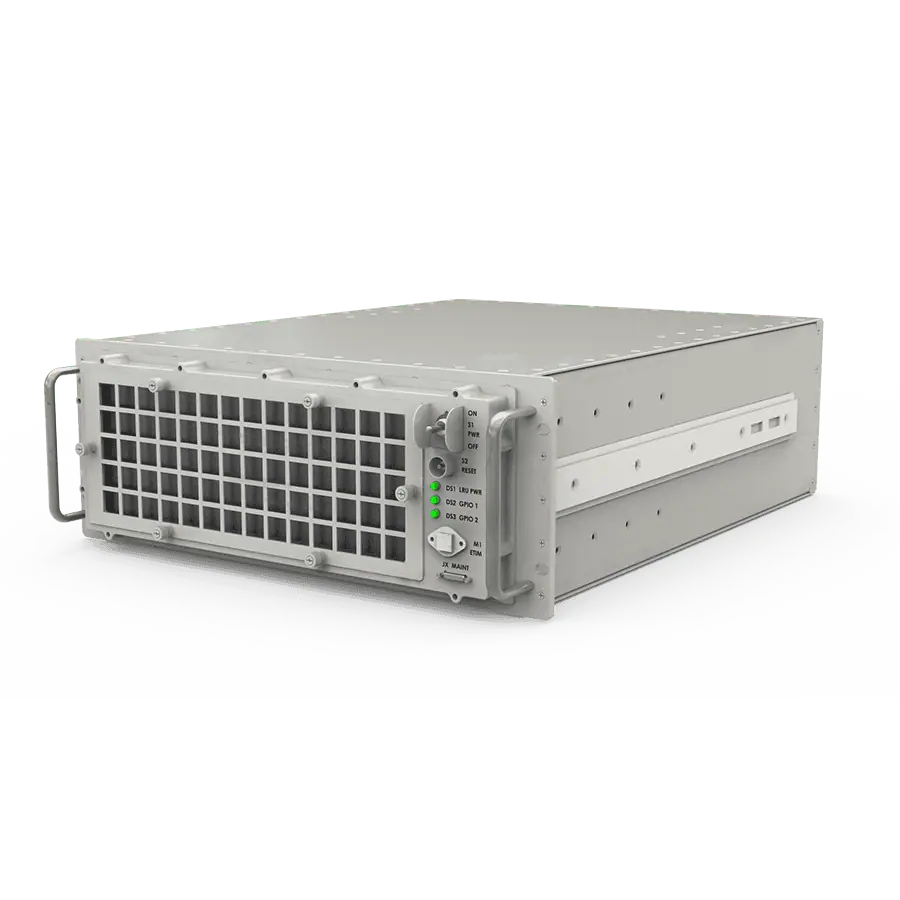
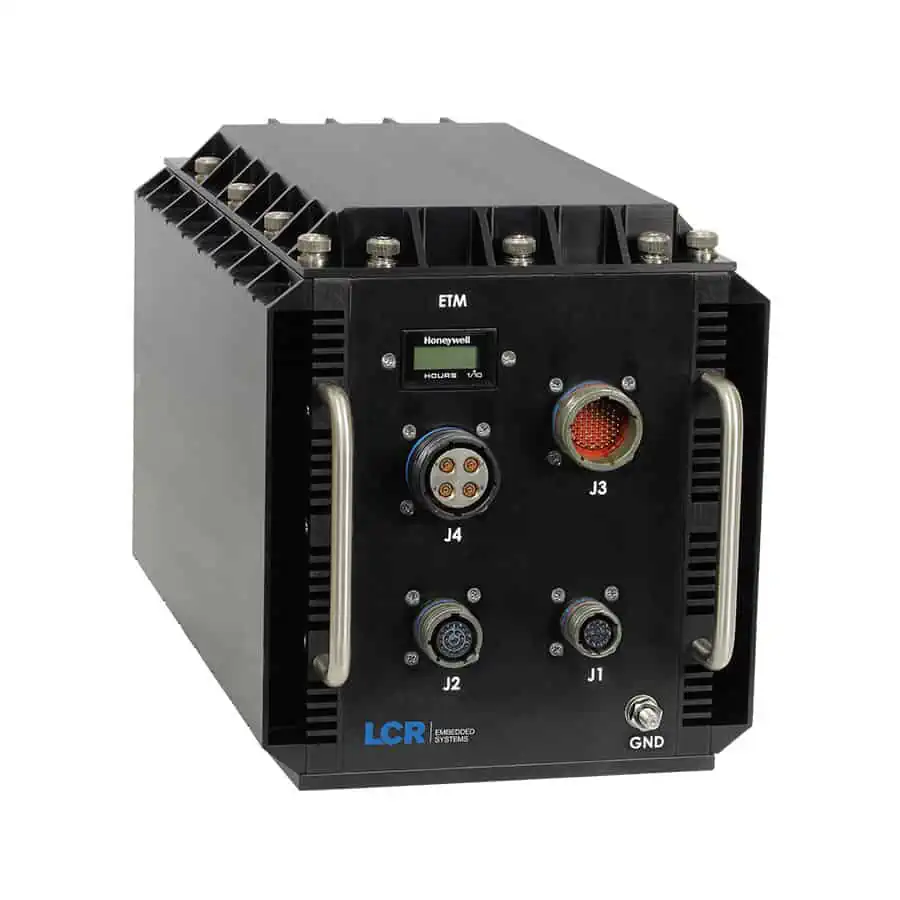
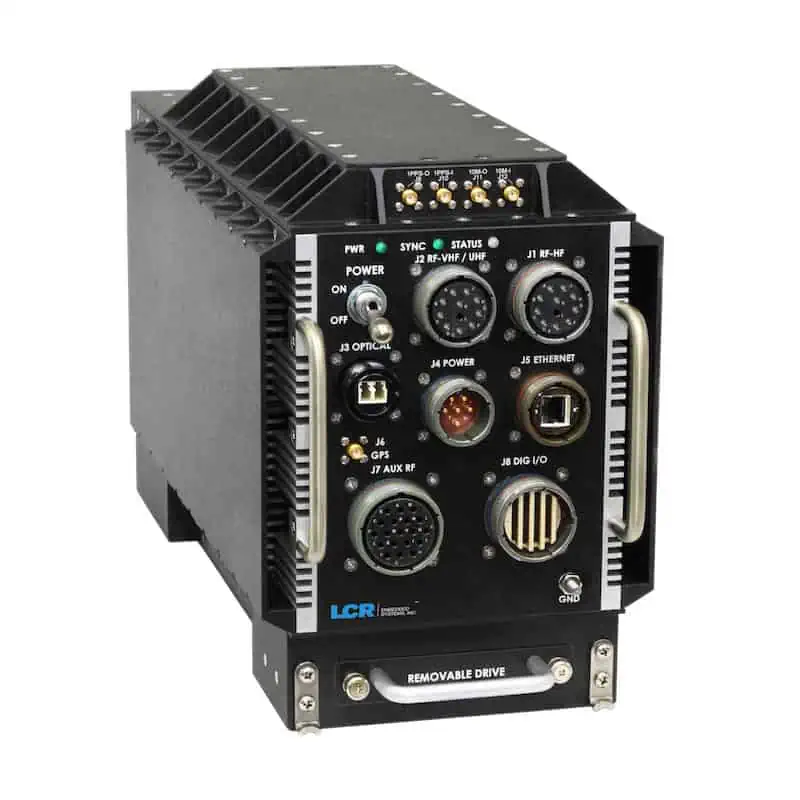
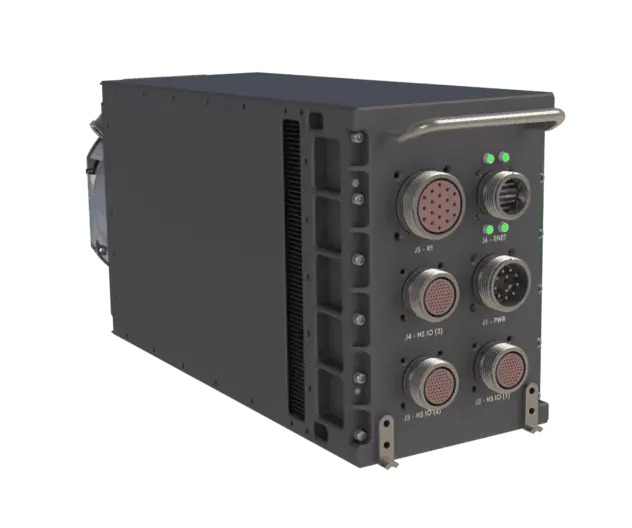
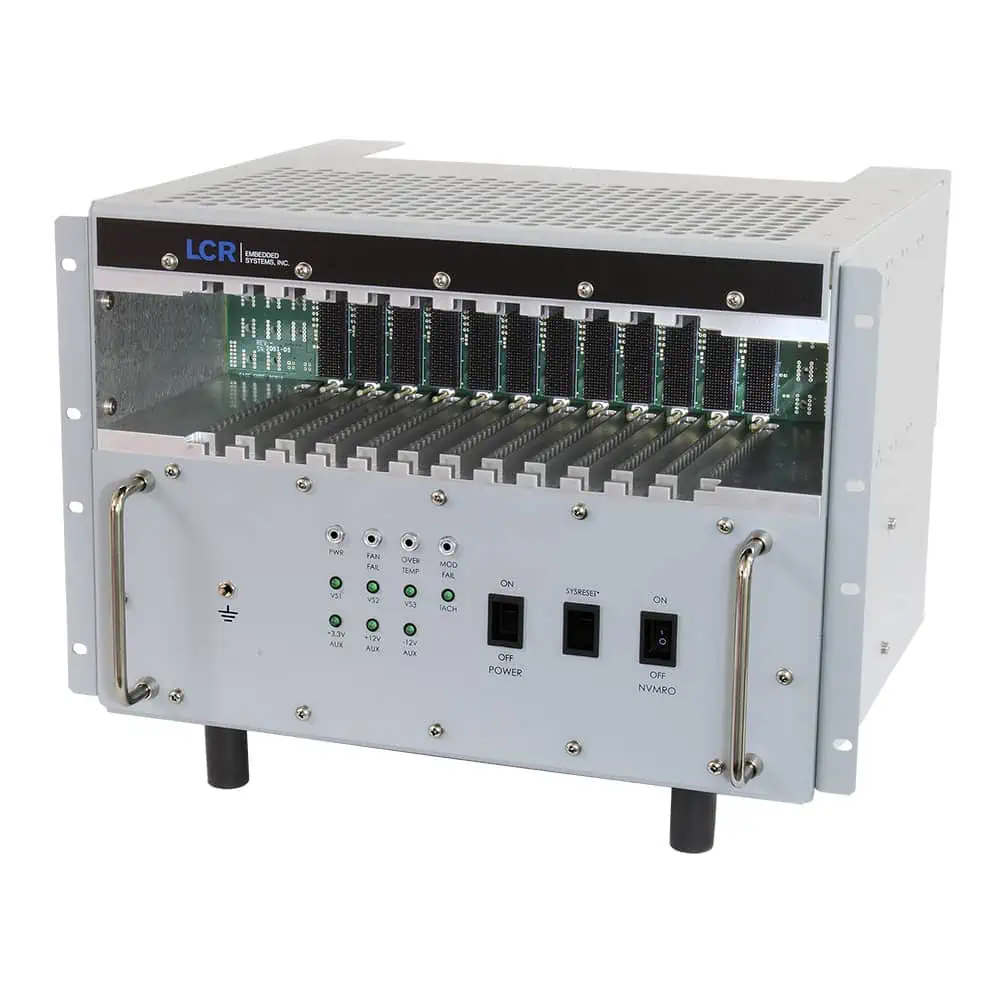
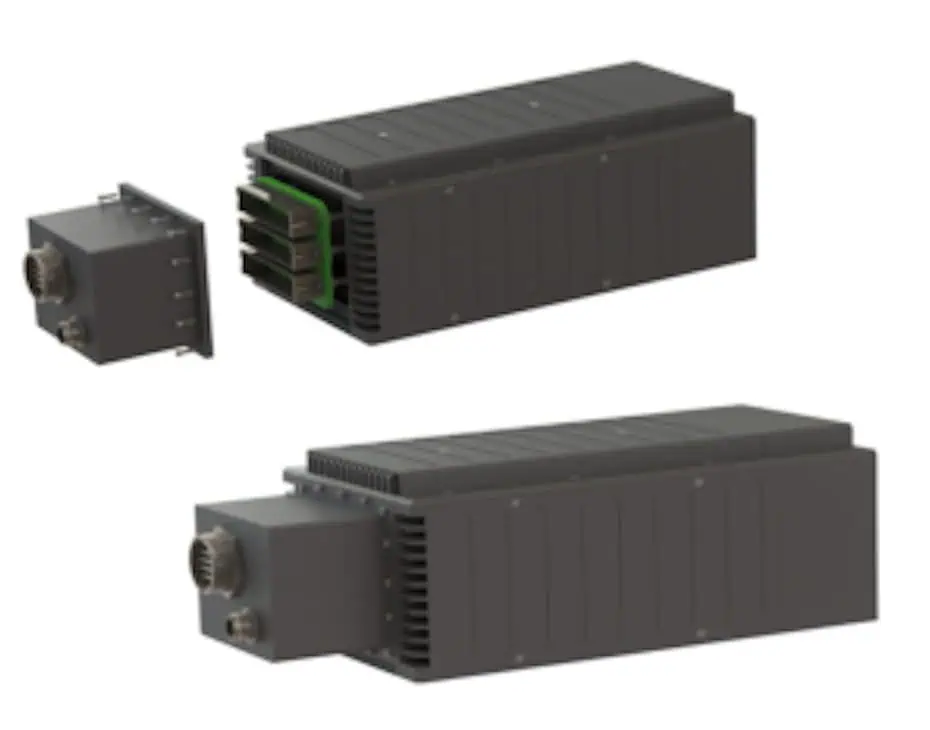
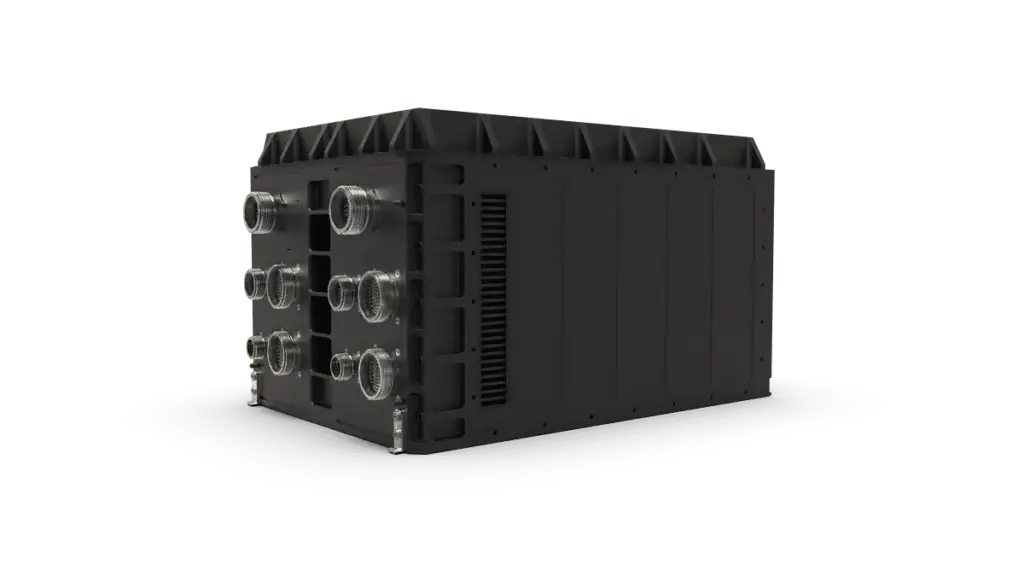
Ruggedization is crucial for protecting both internal and external electronic components.For instance, VITA 48.2 conduction-cooled ATR chassis utilize aluminum enclosures and secure locking mechanisms to prevent board movement and reduce connector fatigue.Proper routing and securing of internal cabling are also vital for maintaining system integrity.
Isolation Systems for Enhanced Protection
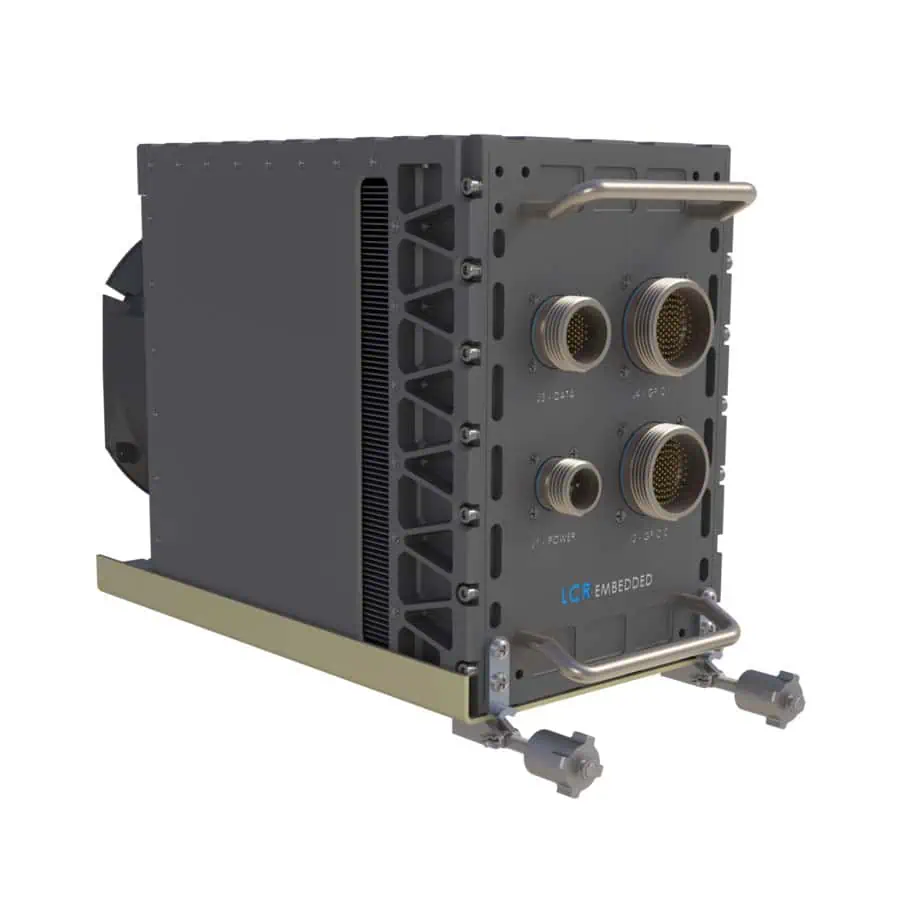
external isolation systems play a key role in minimizing damaging forces that could affect the chassis. Wire rope isolators are adaptable for various applications, whether for ground, aerial, or maritime assets. Shock trays equipped with standardized mounts and integrated isolators offer comprehensive chassis-level protection.
Layered Safeguards for Critical Electronics
To effectively shield essential electronics from shock and vibration in defense applications, a multi-layered approach is necessary.Combining rugged designs, isolation strategies, and rigorous environmental testing is essential for ensuring the survivability of systems in battlefield conditions.
For further insights, read the complete article or visit the LCR Embedded Systems website for more information.