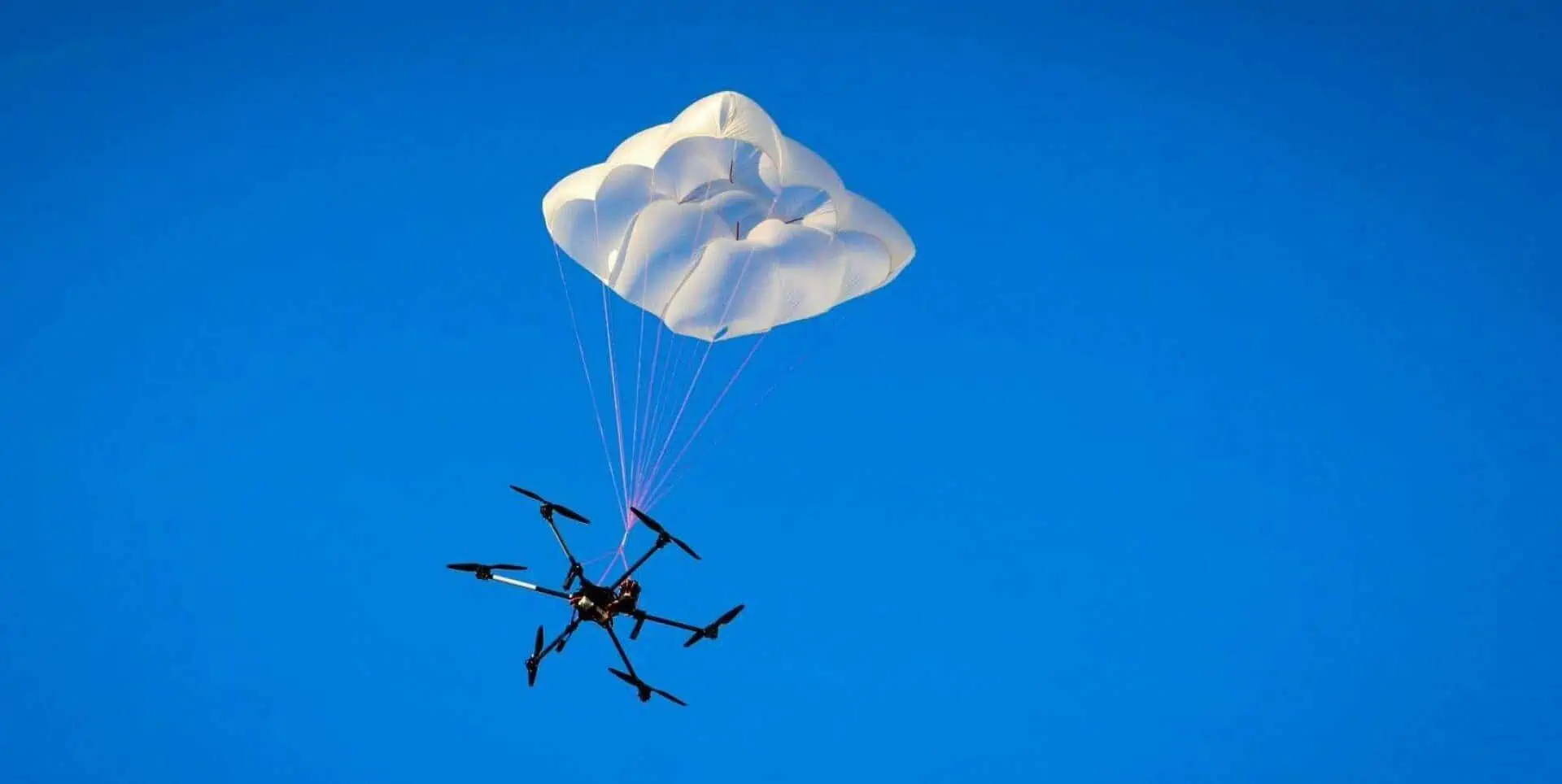


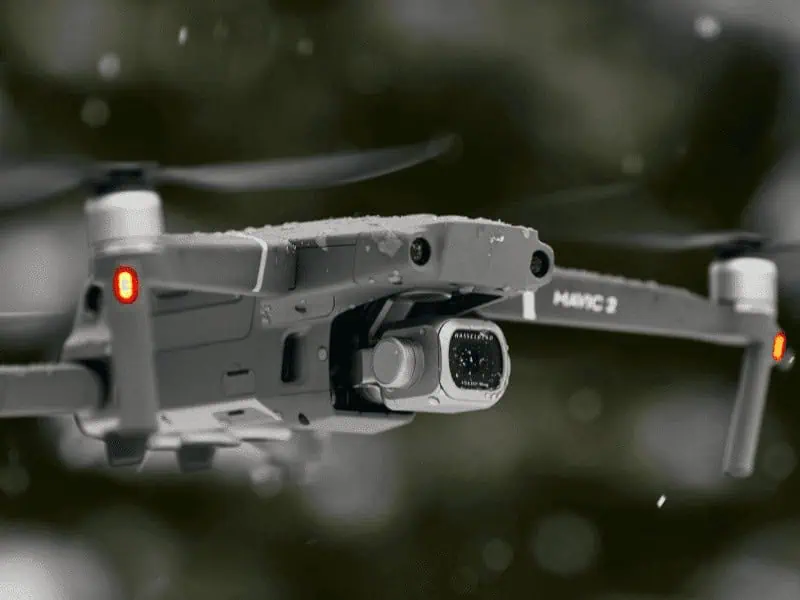
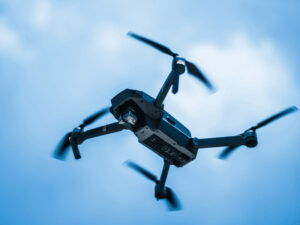
The landscape of security threats at nuclear facilities has transformed significantly due to the proliferation of consumer drones.Originally intended for leisure, these flying devices now pose serious risks to critical infrastructure.
This analysis by D-Fend Solutions delves into the escalating drone threats faced by nuclear facilities globally and discusses the robust security strategies being adopted to safeguard these vital sites.
Nuclear facilities fulfill various crucial roles: power plants generate electricity, research institutions push the boundaries of scientific inquiry, processing facilities manage material recycling, and storage sites ensure the safe containment of radioactive waste. Some of these locations also possess defensive capabilities.
The easy access to unmanned aerial vehicles (UAVs) introduces distinct security challenges.These vulnerabilities can be categorized into several key areas:
Surveillance Threats
Drones equipped for aerial photography pose a critically important security risk, as unauthorized users can capture detailed images that expose facility layouts and structural weaknesses. Video footage can further compromise security by revealing patrol patterns and timing gaps in protective measures. drones with remote sensing capabilities can identify infrastructure flaws that might not be visible from the ground. The systematic mapping of access points creates enduring security threats, as this intelligence can be exploited for future breaches. Most alarmingly, detailed reconnaissance of defensive positions can severely undermine a facility’s security protocols, making them less effective.
Potential Attacks
The risk of sabotage through drone technology encompasses various attack vectors. drones armed with explosives coudl target essential infrastructure, leading to catastrophic consequences. UAVs equipped with chemical dispersal systems pose threats to personnel and may contaminate sensitive areas. electronic warfare capabilities could disrupt vital interaction networks and control systems. Even simple collisions with drones could damage sensitive equipment or trigger emergency shutdowns.The most alarming scenario involves coordinated assaults using multiple drones, which could overwhelm existing defense mechanisms and exploit weaknesses in customary security frameworks.
Operational Interruptions
Incidents involving drones often necessitate the activation of emergency protocols, leading to immediate facility closures nonetheless of operational status. Evacuations disrupt critical processes and may require complex restart procedures. Production halts can directly affect power distribution networks, potentially impacting regional electricity supplies. The resources consumed in responding to drone incursions divert personnel and attention from other essential tasks. Beyond immediate operational disruptions, economic losses can accumulate rapidly during investigations and subsequent facility downtime.
Global security Incidents
United Kingdom
Recent disclosures under the Freedom of Data Act have revealed numerous UAV sightings near UK nuclear sites from 2021 to 2023. These incidents exhibited varying levels of sophistication and necessitated different response strategies.
The initial wave of documented incidents prompted extensive security responses across multiple facilities. Immediate activation of alarm systems mobilized security teams within moments of detection. Rapid deployment protocols allowed for thorough searches of facilities, even though many drones managed to leave before interception was possible. Enhanced perimeter monitoring identified gaps in existing surveillance, leading to system upgrades. Detailed documentation of incidents provided valuable insights for improving future response capabilities.
A subsequent series of events showcased the advanced capabilities of some intruding drones.High-altitude detection systems proved crucial when one drone operated at 20,000 feet, far exceeding conventional security measures. Multiple eyewitness accounts helped establish flight patterns and characteristics of the devices. Technical analysis indicated sophisticated operational planning behind several incursions.The effectiveness of responses varied significantly based on weather conditions and time of day.
Further sightings prompted extensive security operations throughout the affected regions. Coordinated search efforts involved both facility personnel and local law enforcement. Analysis of surveillance footage revealed patterns in drone behavior and approach vectors. Witness interviews provided critical details about device configurations and flight characteristics. Extensive threat assessments led to modifications in security protocols and detection capabilities.
United States
An analysis of FOIA data uncovered 57 UAV incursions across 24 nuclear facilities in the United States from 2015 to 2019. The Palo Verde facility in Arizona notably experienced multiple sophisticated breaches. Groups of five to six drones exhibited coordinated flight patterns, suggesting professional operation. These devices consistently evaded response measures, disappearing before security teams could implement countermeasures. The systematic nature of these incidents raised serious concerns about organized surveillance efforts.
France
french nuclear infrastructure has faced systematic UAV activity across various sites, revealing a pattern of coordinated surveillance. Security monitoring documented numerous facility intrusions, primarily during nighttime hours when detection and response capabilities are more challenging. Flight patterns indicated advanced navigation capabilities and detailed knowledge of facility layouts. the professional execution suggested either state-level actors or highly organized non-state groups behind the operations.
In response to initial incidents, Électricité de France implemented enhanced monitoring systems.Their security teams developed detailed documentation procedures for tracking flight paths and device characteristics. continuous assessments across multiple locations revealed patterns in drone activities and potential vulnerabilities in existing security measures. Regular evaluations of response protocols led to improved coordination between facility security and local law enforcement.
The strategic implications of these incidents are significant. Advanced planning evident in flight patterns suggests detailed pre-operation surveillance. The technical sophistication displayed in drone operations indicates the use of professional-grade equipment and trained operators. The systematic targeting of specific facilities reveals careful selection of objectives rather than random intrusions.
Establishing Protective Strategies
Detection Technologies
Contemporary nuclear facilities require advanced aerial monitoring systems that integrate various detection technologies and response protocols. These systems must ensure comprehensive coverage while maintaining operational efficiency.
Flight Path Analysis
Modern trajectory analysis systems enable security teams to predict potential flight paths and target areas within facility boundaries. Real-time speed measurement capabilities assist in classifying drone types and assessing their operational capabilities. Continuous altitude tracking supports threat assessment by revealing approach patterns and potential payload capacities. Analyzing direction changes provides insights into operator intent and mission objectives. Monitoring flight duration helps security teams anticipate battery limitations and likely extraction routes.
Launch Site Detection
Identifying drone launch positions has become essential for effective response coordination. Modern detection systems can triangulate origin points, enabling rapid deployment of law enforcement to operator locations. Analyzing access routes reveals patterns in launch site selection, supporting preventative security measures. Geographical assessments of surrounding areas help identify likely future launch positions. Considering environmental factors improves prediction accuracy under varying weather conditions.
Operator Location Tracking
Advanced detection systems now include features specifically designed to locate drone operators. This capability allows law enforcement to respond directly to control positions rather than focusing solely on the drones themselves.Evidence collection becomes more effective when security teams can quickly pinpoint operator locations. Understanding operator patterns leads to more effective preventive measures and strategic counter-positioning of security assets. Data gathered from multiple incidents helps establish patterns that support future incident prevention.
This comprehensive approach to drone defense exemplifies current best practices in protecting nuclear facilities. The continuous evolution of these systems is crucial as drone technology advances and new threats emerge. Regular evaluations and updates of all protocols ensure that security measures remain effective against emerging challenges while maintaining operational efficiency.
For the complete article, click here, or visit the D-Fend website for more information.