


Innovative Marine Inertial sensors Unveiled by Silicon sensing
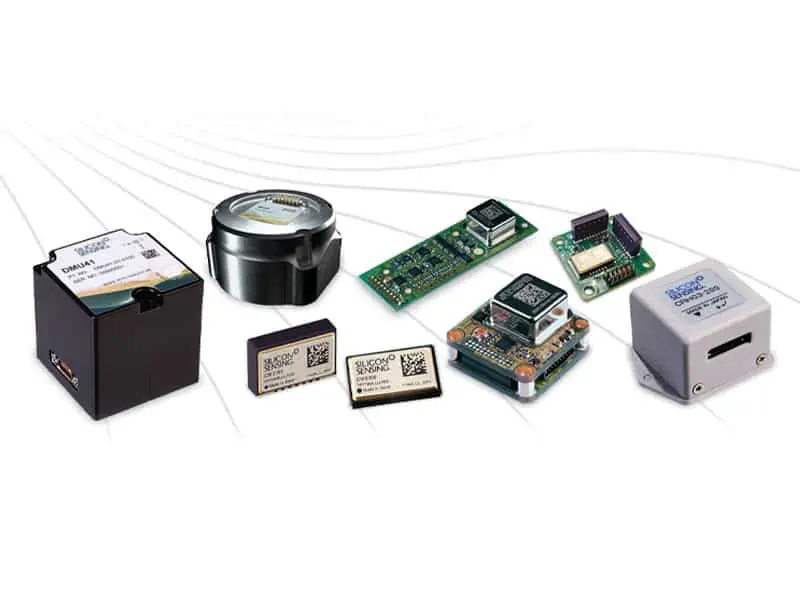
At the 2022 Oceanology International trade exhibition in London, Silicon Sensing announced the launch of its latest compact MEMS-based technologies. Among these innovations is what the company touts as the most advanced silicon MEMS inertial measurement unit (IMU) currently available, alongside two additional inertial sensors engineered for superior performance in challenging marine conditions.
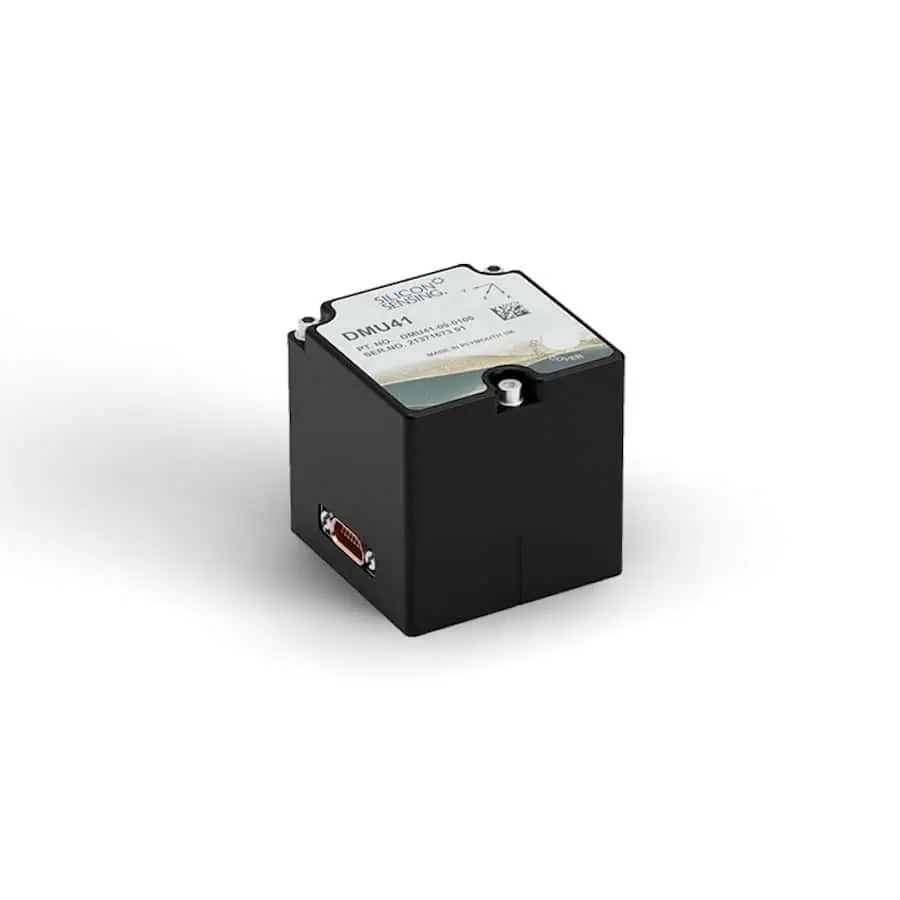
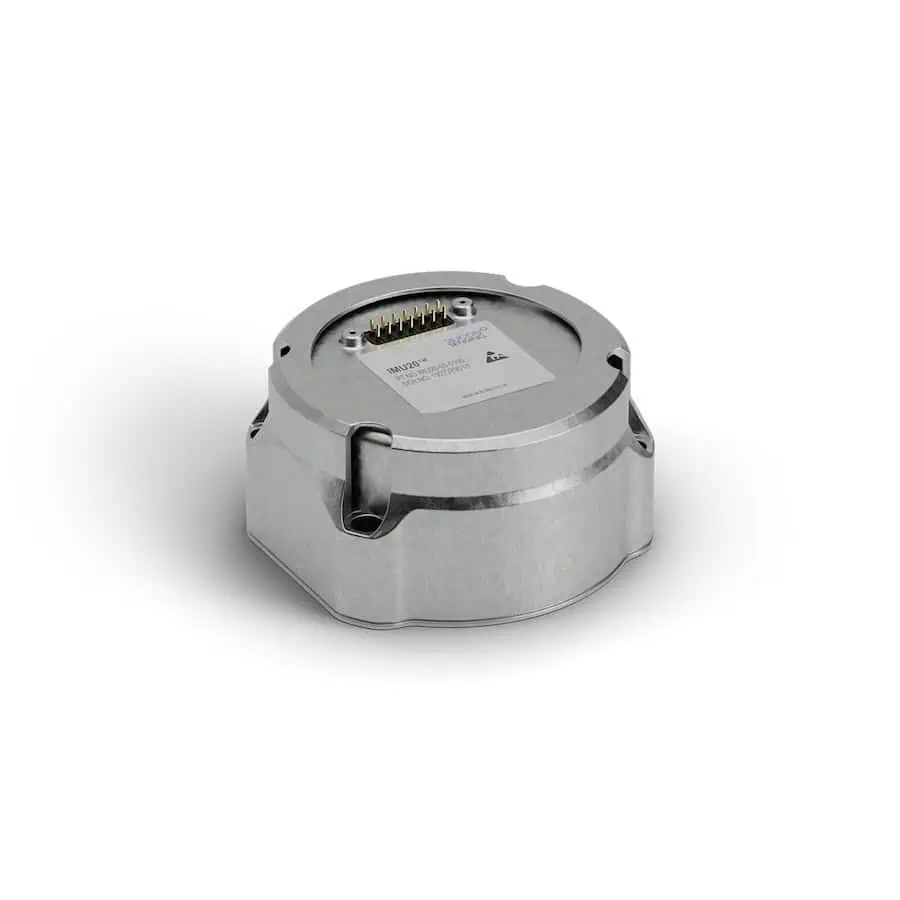
Introducing the DMU41: A Game-Changer in IMU Technology
The DMU41 stands out as a non-ITAR, tactical-grade IMU, measuring a mere 50x50x50mm and weighing under 200 grams. This model boasts a significant reduction in power consumption compared to its predecessor, the DMU30, while maintaining performance levels that rival larger, more expensive fiber optic gyro systems. this IMU is especially well-suited for controlling marine unmanned systems, including autonomous underwater vehicles (AUVs).
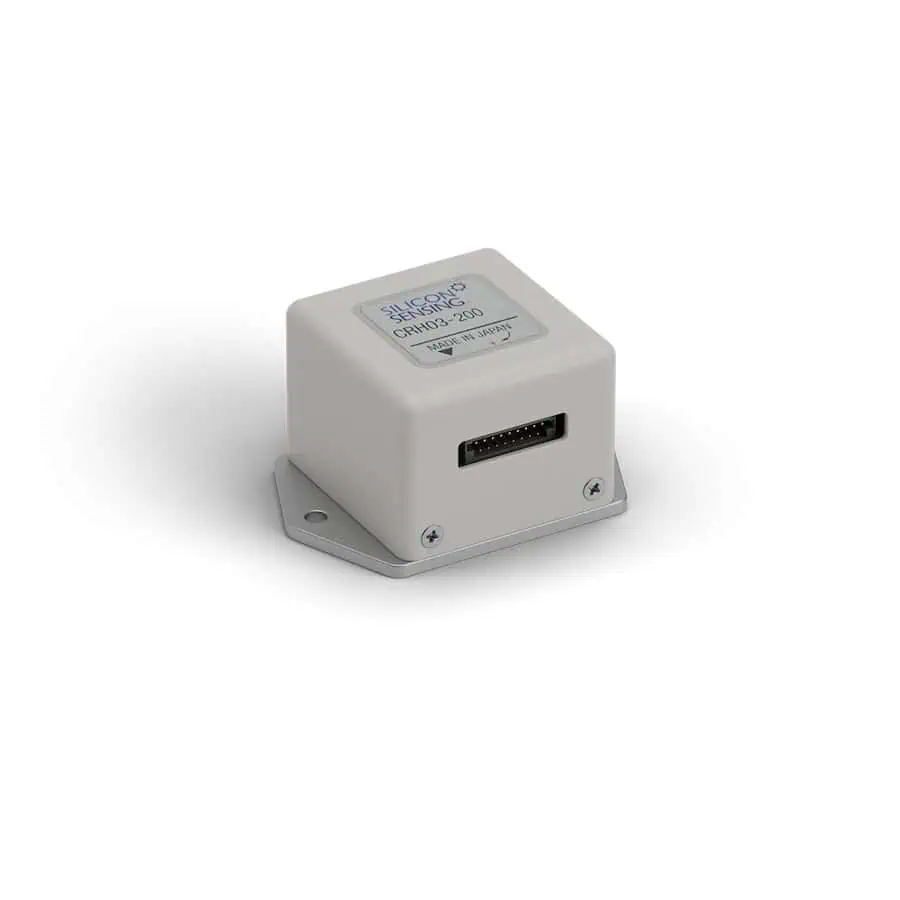
CRH03: Compact Gyro for Precision Tasks
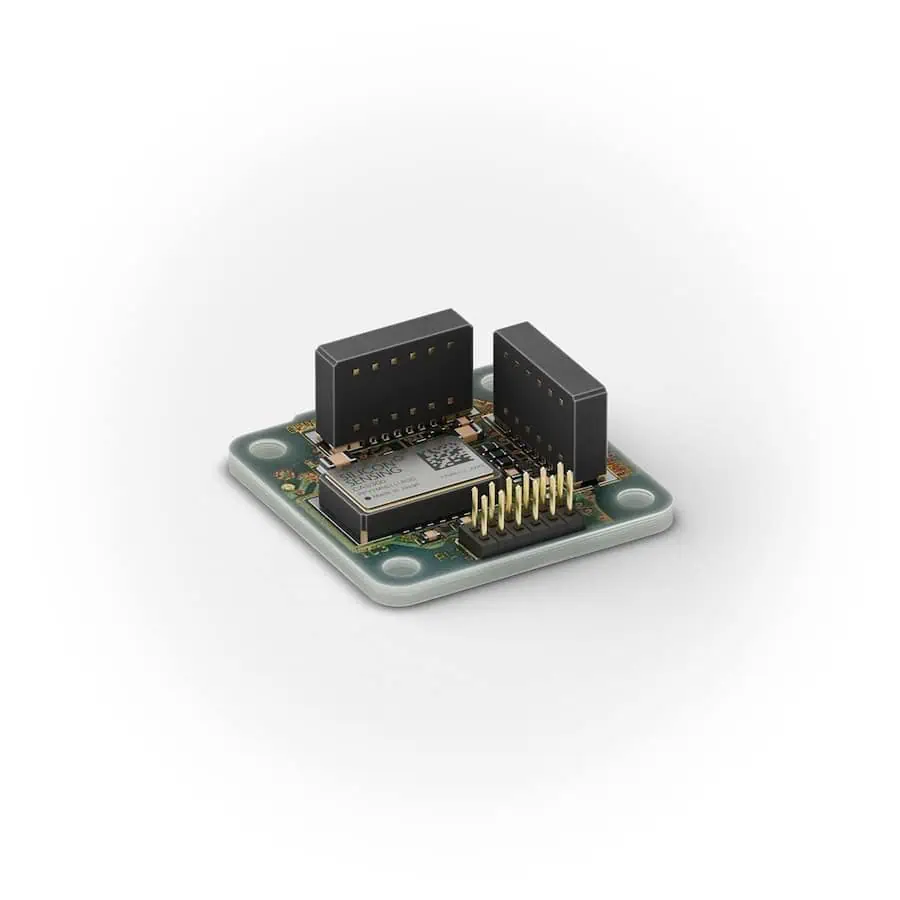
Another notable product, the CRH03, is a compact, standalone single-axis gyro designed for various applications such as maritime platform stabilization, guidance, control, and precision surveying. This non-ITAR device features a 30% reduction in power usage compared to the earlier CRH02 model. Enhanced drive electronics and sensor head improvements allow the CRH03 to withstand external vibrations while delivering bias characteristics comparable to fiber-optic gyros (FOGs) and dynamically tuned gyros (DTGs). It is available in five rate ranges,including a new option of 10 degrees per second.
CRS39A: Enhanced Gyro for Extreme Conditions
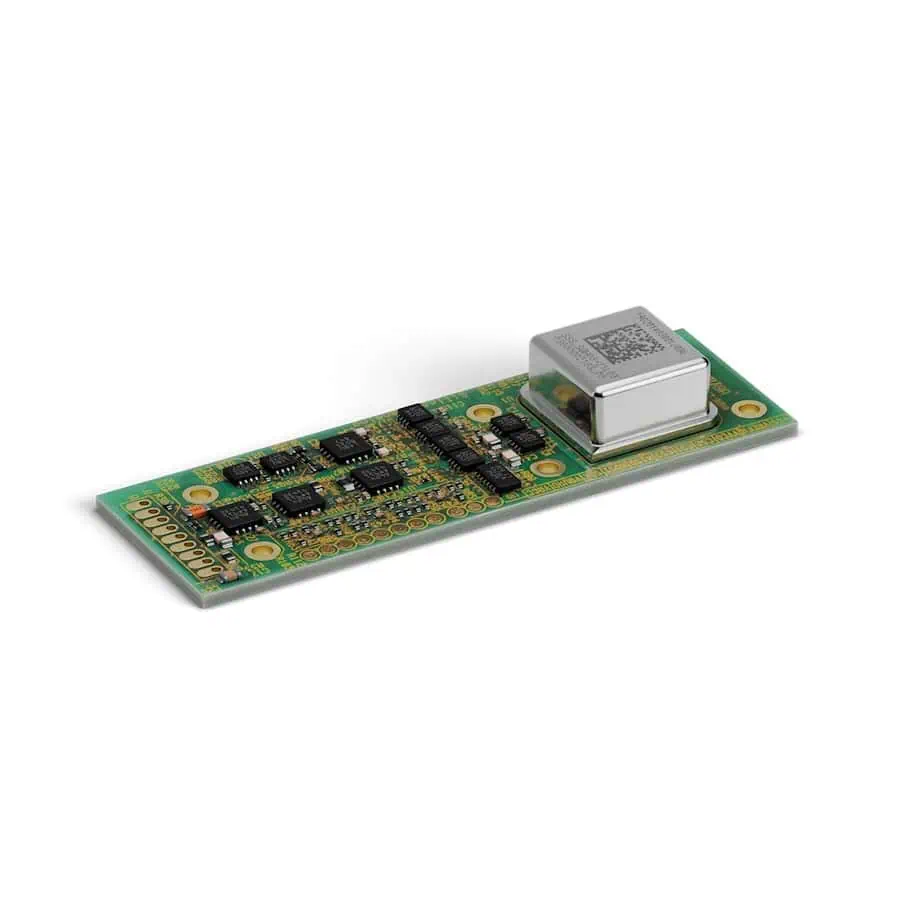
The CRS39A gyro, an upgrade from the established CRS39, is designed for applications like downhole drilling and north finding. This non-ITAR product has achieved a 40% reduction in volume by transitioning from a dual-board to a single-board design, making it easier to install in space-constrained environments. Enhanced micro-electromechanical systems (MEMS) and electronics provide improved bias instability, angle random walk, and noise and vibration resistance. Additionally, multiple onboard temperature sensors allow for performance tuning to meet the demands of extreme operating conditions.
Expert Insights on the new Innovations
Steve Capers, General Manager of Silicon Sensing, remarked, “Our focus at Silicon Sensing is on developing compact, high-performance inertial sensors and systems. The DMU41 represents a remarkable achievement, with a 54% reduction in volume and a 42% decrease in weight compared to its predecessor.These advancements enable the DMU41 to deliver precise motion sensing capabilities to the most compact marine platforms and restricted applications.”
“With these new devices, we are providing operators in the marine sector with enhanced options and opportunities, addressing the ongoing demand for improved and sustained performance in increasingly challenging surface and subsurface environments.”