

Innovative UAV (uncrewed aerial vehicles) and AAM (advanced air mobility) initiatives are setting enterprising goals, necessitating trust and dependability in every aspect.As these projects prepare for commercial operations, such as air taxis or delivery drones, navigating the intricate landscape of regulations and requirements becomes essential.
Only through the certification from aviation safety authorities like the FAA and EASA can pioneering aircraft programs gain the essential momentum to secure official operational licenses.
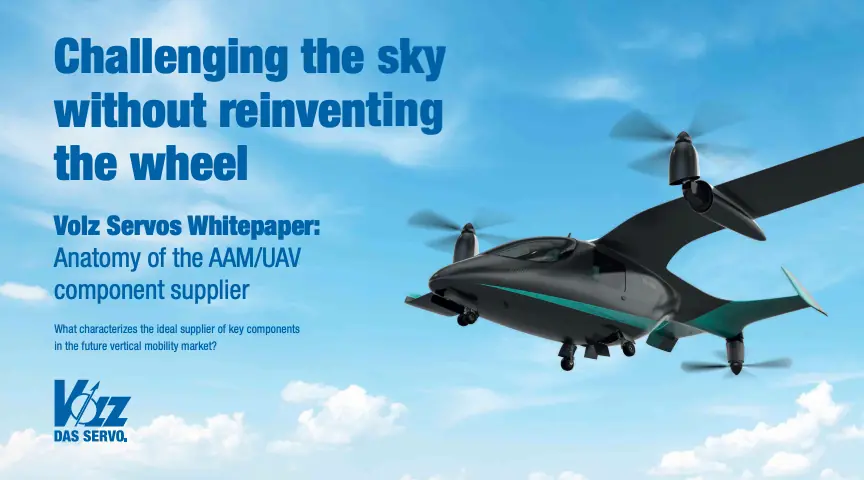
A extensive Whitepaper by Volz servos delves into:
- The fundamental requirements for obtaining certification for new flight systems
- The critical role suppliers play in the certification journey
- How established aviation giants and nimble startups can pinpoint the right collaborators for their ventures
Insights from Industry Experts
Urban Air Mobility (UAM) is becoming increasingly vital as urban populations expand, making transportation in these regions more challenging. UAM applications range from air taxis that link various city locations to remotely operated or autonomous aircraft that deliver medical supplies or equipment in densely populated areas.
This sector is marked by rapid development and ambitious timelines. Though, interviews in the Whitepaper reveal that experts unanimously stress the importance of integrating certification considerations early in the development of air mobility projects.
Aerospace Engineer Mike Hirschberg, executive director of the Vertical Flight Society, articulates this point: “Creating and operating a delivery drone is one thing.Though, for a small passenger-carrying aircraft or operations in urban settings, safety must be prioritized to ensure it meets certification standards.”
“Advanced Air Mobility is currently fostering a significant new economic landscape that,unlike previous models,requires lower capital investments,facilitating quicker implementation of innovative aviation technologies. The primary challenges now lie in securing aviation approvals and navigating regulatory frameworks, which is why companies should collaborate with certified suppliers early in the development process,” states Prof. Dr.Florian Holzapfel, a Professor of flight system Dynamics at TU Munich.
The essential criteria for achieving certification for a new flight system include:
- Adherence to civil aviation regulations
- Thorough documentation
- Components sourced from EASA-approved manufacturers
The complexity of these requirements necessitates specialized knowledge and experience, along with supplier partners who can meet these standards.
To discover the right suppliers that can definitely help ambitious aviation projects soar, the Volz Servos Whitepaper provides invaluable insights from experts across buisness and academia.
Access the Whitepaper here >>