

Revolutionizing Hurricane Research with teledyne Gliders
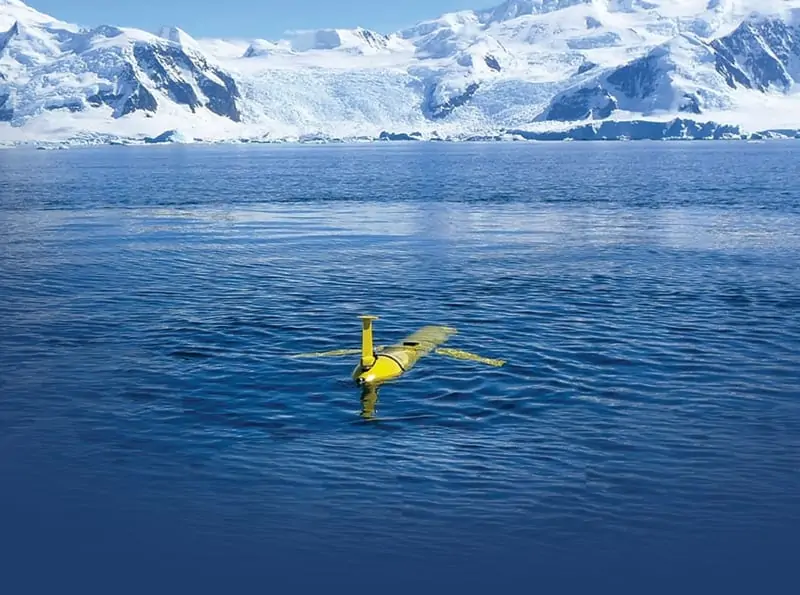
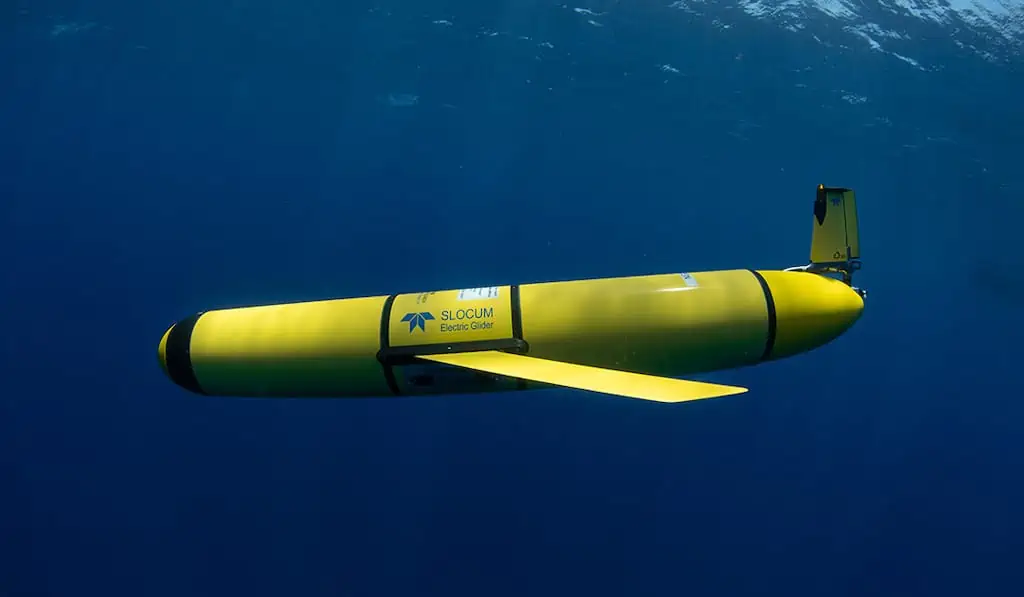
Teledyne Marine is at the forefront of transforming hurricane research and forecasting through its advanced Slocum gliders.
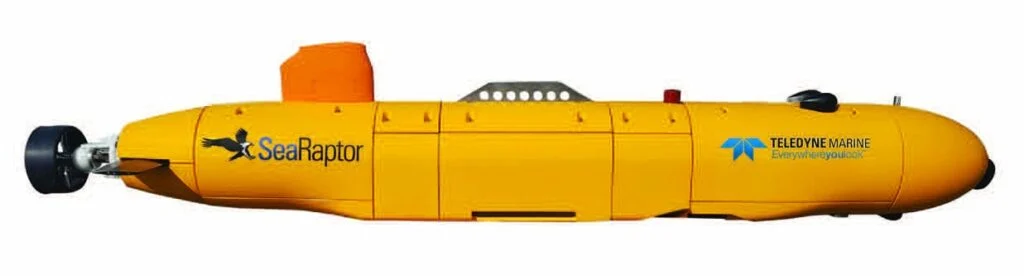
Dedicated to innovation and quality,Teledyne Marine provides high-performance autonomous underwater vehicles (AUVs) that cater to a variety of applications,including oceanographic studies and environmental assessments.
For over twenty years, Teledyne Slocum gliders have been essential in oceanographic research, offering scientists and organizations a reliable means to gather crucial data from the oceans.
The company has achieved a remarkable feat,with more than 1,100 Slocum gliders deployed globally,aiding numerous scientific and commercial projects.
These applications encompass oceanography, climate studies, oil and gas exploration, and environmental monitoring.
Enhancing Hurricane Forecasting
Teledyne’s Slocum Storm gliders have gained recognition for their vital contributions to hurricane forecasting, collaborating with NOAA, the US navy, and academic institutions.
These gliders create picket lines ahead of approaching storms, measuring subsurface water temperatures along the storm’s trajectory. This data is crucial in assessing whether the ocean’s heat energy will intensify or diminish a tropical cyclone.
This innovative methodology significantly improves the accuracy of storm intensity models.Understanding hurricane behavior is critical,given their destructive potential and the severe impact they have on both coastal and inland areas.
Key Contributions of Teledyne Slocum Gliders
- Real-time Data Acquisition: Equipped with advanced sensors, Teledyne Slocum Gliders measure various oceanic parameters, such as temperature, salinity, and depth-averaged currents.
- Enhanced Forecasting Models: in the last five years, these gliders have contributed over 500,000 data profiles to hurricane models, significantly improving forecast precision.
- Prolonged Deployment: with extended endurance capabilities, Teledyne Slocum gliders can operate for months, covering the entire hurricane season and ensuring continuous data collection throughout storm development.
- Risk Mitigation: The information gathered by these gliders is crucial for refining storm intensity forecasts, leading to more accurate predictions that support timely evacuations and disaster preparedness.
Clayton Jones, Senior director of Technology at Teledyne Marine, remarked, “We take immense pride in the role our gliders play in hurricane research. These autonomous underwater vehicles enable the collection of essential subsurface ocean data in extreme conditions, ultimately contributing to saving lives and safeguarding our coastal and inland communities. Our technology exemplifies the power of innovation and collaboration in tackling some of the world’s most urgent challenges.”