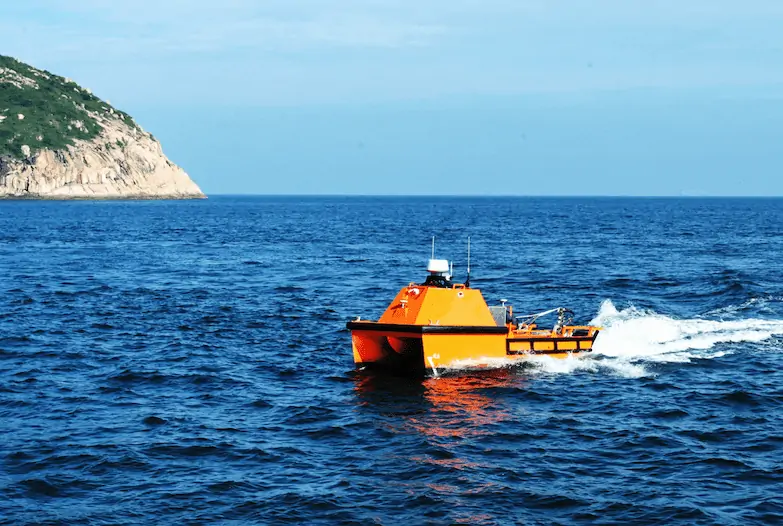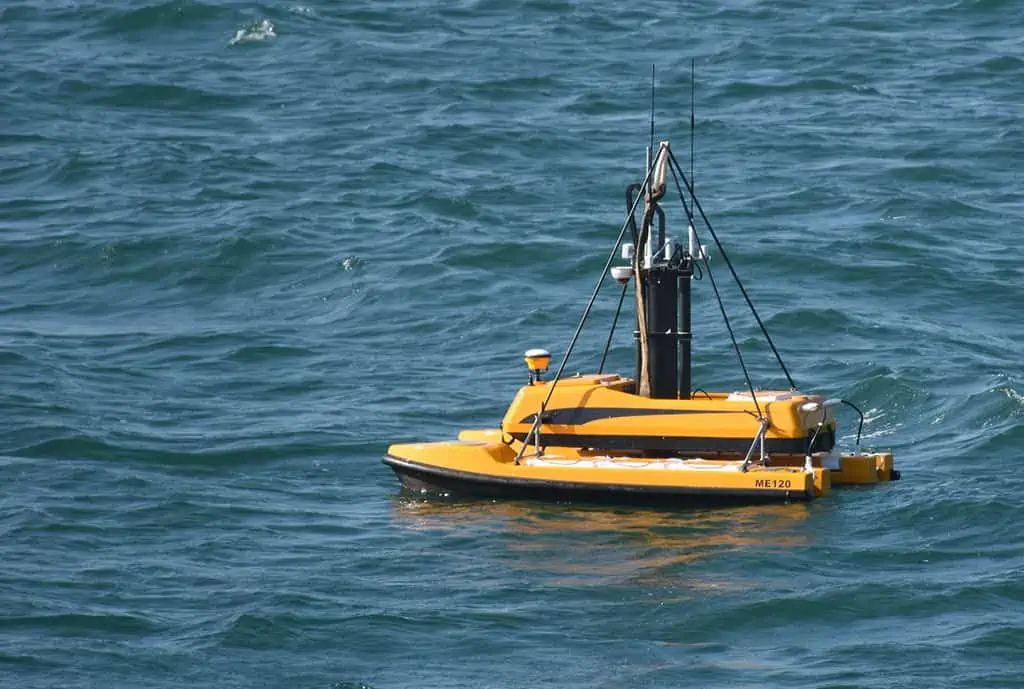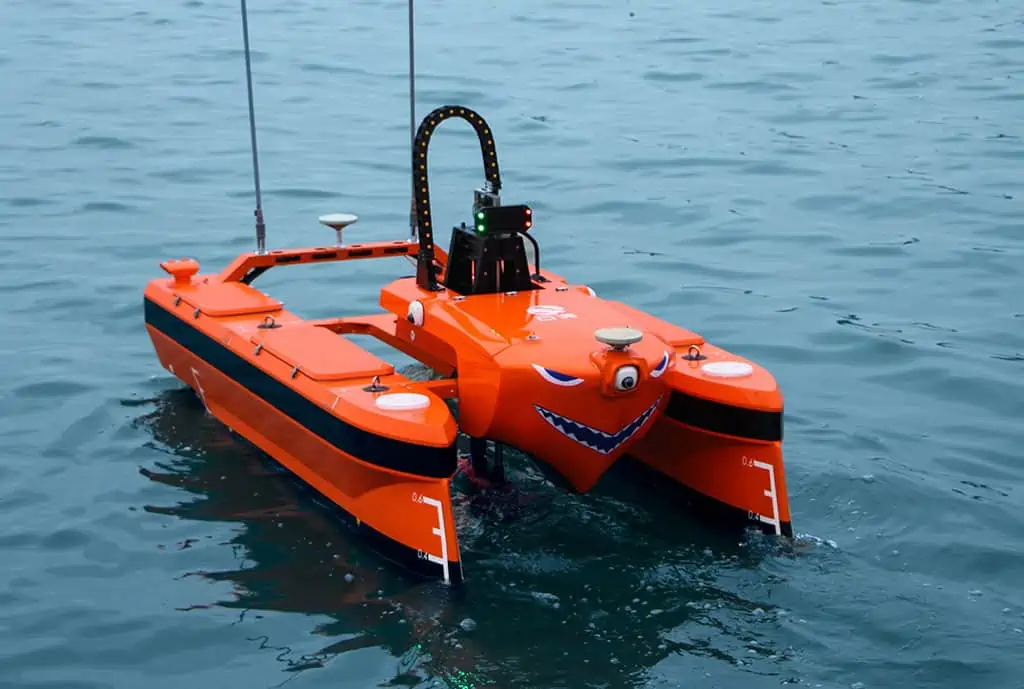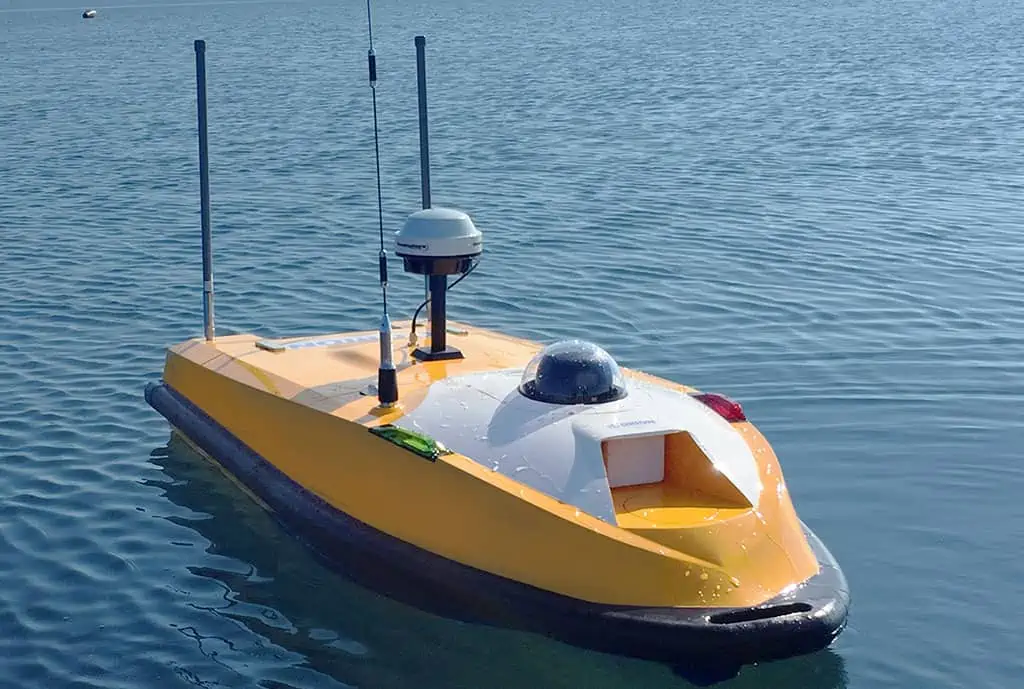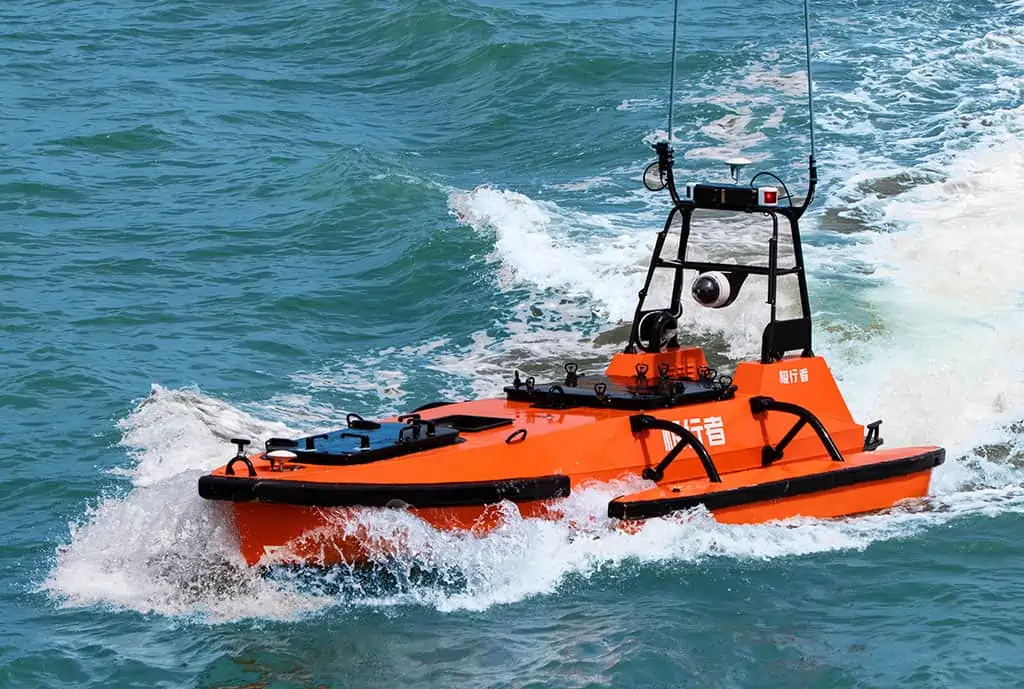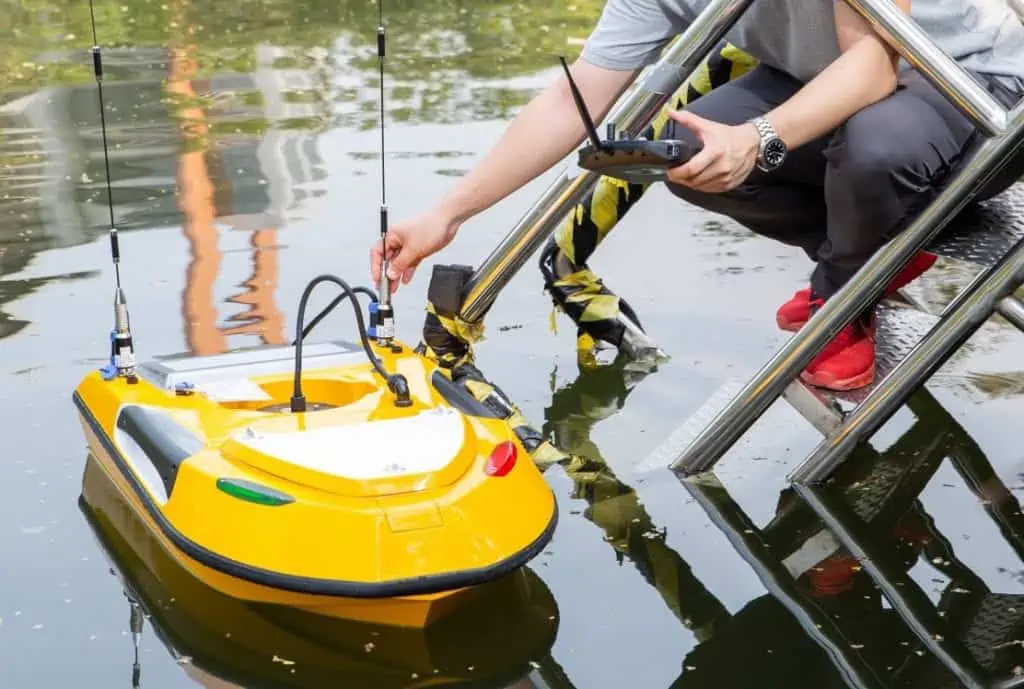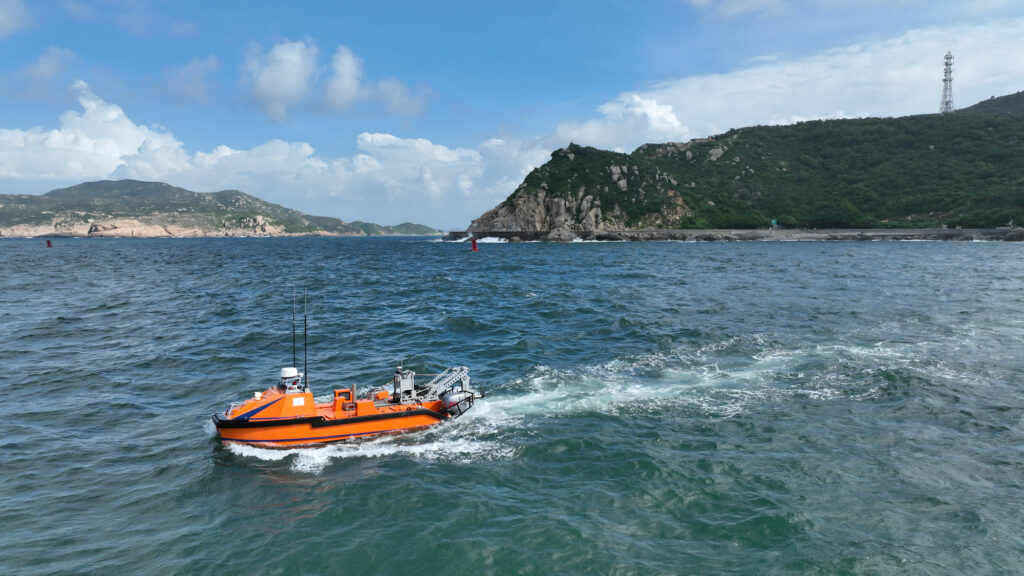

OceanAlpha has successfully introduced its SL40 USV, marking it as the inaugural unmanned vessel sanctioned by the hamburg Port Authority for hydrological data collection within the port’s jurisdiction.
Overview:
As one of the globe’s largest container ports, the Port of Hamburg is embracing digital conversion and automation to enhance its operational efficiency and future readiness. The integration of drones and unmanned vessels is pivotal in refining port management processes.In 2020, the Hamburg Port Authority selected the OceanAlpha SL40 USV as its autonomous platform of choice.
Kongsberg contributed by equipping the platform with sonar technology and mission integration tools.A significant launch event was held by the Hamburg Port Authority, where the vessel was officially named Echo.1, becoming the first unmanned craft authorized for hydrological data collection in the Hamburg port area.
Context:
The Hamburg Port Authority operates its own surveying team, responsible for conducting regular assessments of the seabed and quay structures. A notable challenge faced by the HPA is the presence of areas within the port that are inaccessible to traditional workboats, such as shallow waters and quaysides, which can compromise the accuracy of survey data.In such scenarios, a USV emerges as an ideal solution to facilitate hydrographic surveys in these challenging environments.
Proposed Solution:
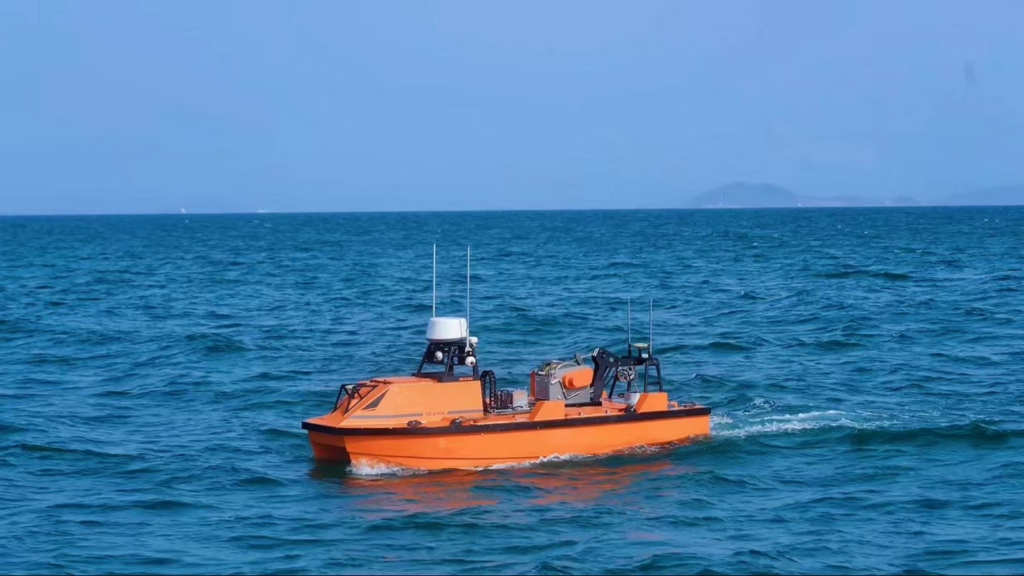
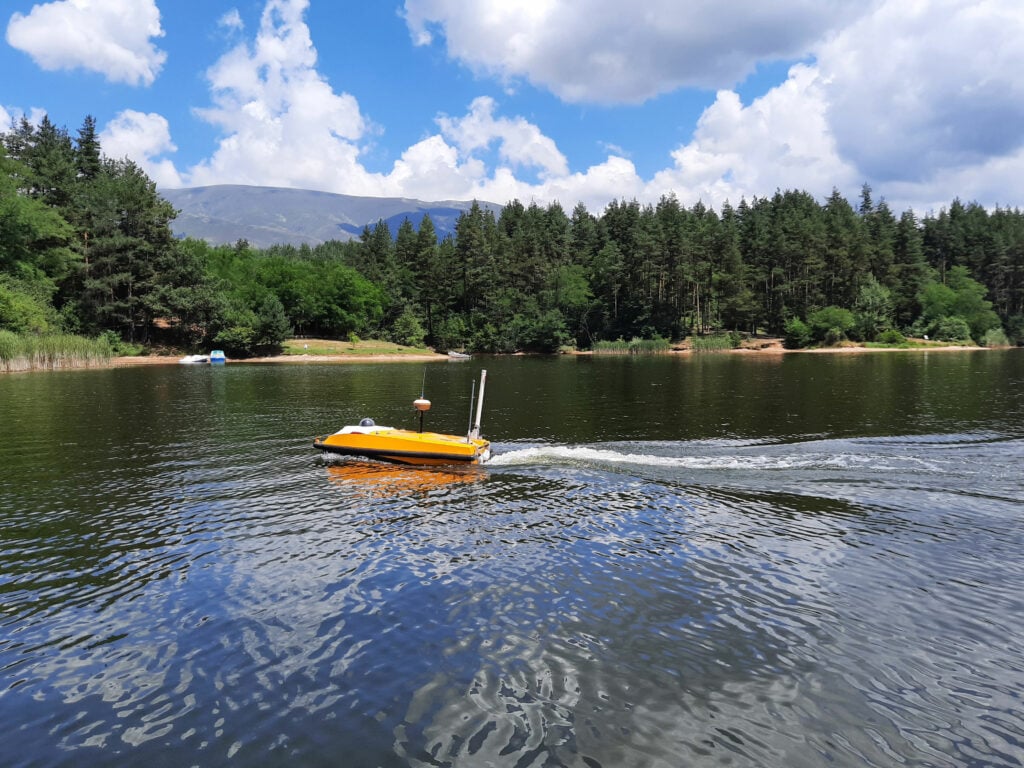
The Hamburg Port Authority opted for the OceanAlpha SL40 USV platform to incorporate various payload equipment. The SL40 boasts several key features:
- Compact Design: Measuring 1.65 meters in length, it allows for easy maneuverability and transport.
- Shallow Draft: With a draft of just 15 cm, it can navigate extremely shallow waters.
- Versatile: It offers ample moon pool space and compartments for diverse payload equipment integration.
- Powerful Performance: Capable of reaching speeds up to 5 m/s, even against waves and currents.
The sonar system selected includes Kongsberg’s Mesotech M3 sonar, which utilizes dual transducer sets to concurrently gather image and bathymetric data. This technology is frequently employed for underwater inspections and dock cleaning.The motion sensor features SBG’s Ekinox series integrated inertial navigation system paired with an RTK GNSS receiver, making it ideal for confined spaces. Additionally, it incorporates AIS, a vessel horn, and a 4G network for enhanced functionality.
Survey Operations:
The OceanAlpha USV base station software provides an intuitive interface for mission planning and supports the import of mission lines from third-party software like Hypack and Qinsy. The software offers real-time updates on USV status and video feeds via a PTZ camera. The SL40 USV is also equipped with millimeter-wave radar for collision avoidance, ensuring safe navigation in the bustling Hamburg port. It features an automatic return function in case of dialog loss or low battery levels.
Fig. 4 OceanAlpha USV Base Station Software
In challenging areas, the USV can switch to a remote manual control mode, allowing operators to adjust the mission route as needed. This versatility aids in maximizing the collection of bathymetric data.
The survey operations feature a multi-interface display, showcasing bathymetric data through Qinsy software, monitoring mission status via the USV base station software, sonar control settings, and real-time video feeds of the aquatic environment.
- Data collection using Qinsy Software
- Monitoring through OceanAlpha USV Base Station Software
- M3 sonar control interface
- USV camera feed
The USV efficiently conducted surveys and gathered data within the port, achieving maximum coverage even in shallow waters.
Final Thoughts:
The SL40 USV, equipped with the advanced M3 sonar, is capable of collecting data in areas that traditional survey vessels cannot access due to its minimal draft of 15 cm. This innovation has significantly enhanced the hydrological data collection efforts at the Port of Hamburg. Its compact size and excellent maneuverability make it ideal for deployment and transport, complementing existing survey vessels. Furthermore, it operates with zero emissions, contributing to environmental sustainability in the port.
The Echo.1, based on the SL40 integration, stands as the first unmanned vessel officially sanctioned by the Shipping Police Department of the Hamburg Port Authority for fundamental hydrological data collection. Beyond its current role in bathymetric maintainance, this platform is pioneering the use of autonomous water drones in port operations.Future upgrades will expand its capabilities for additional applications within the Port of Hamburg.