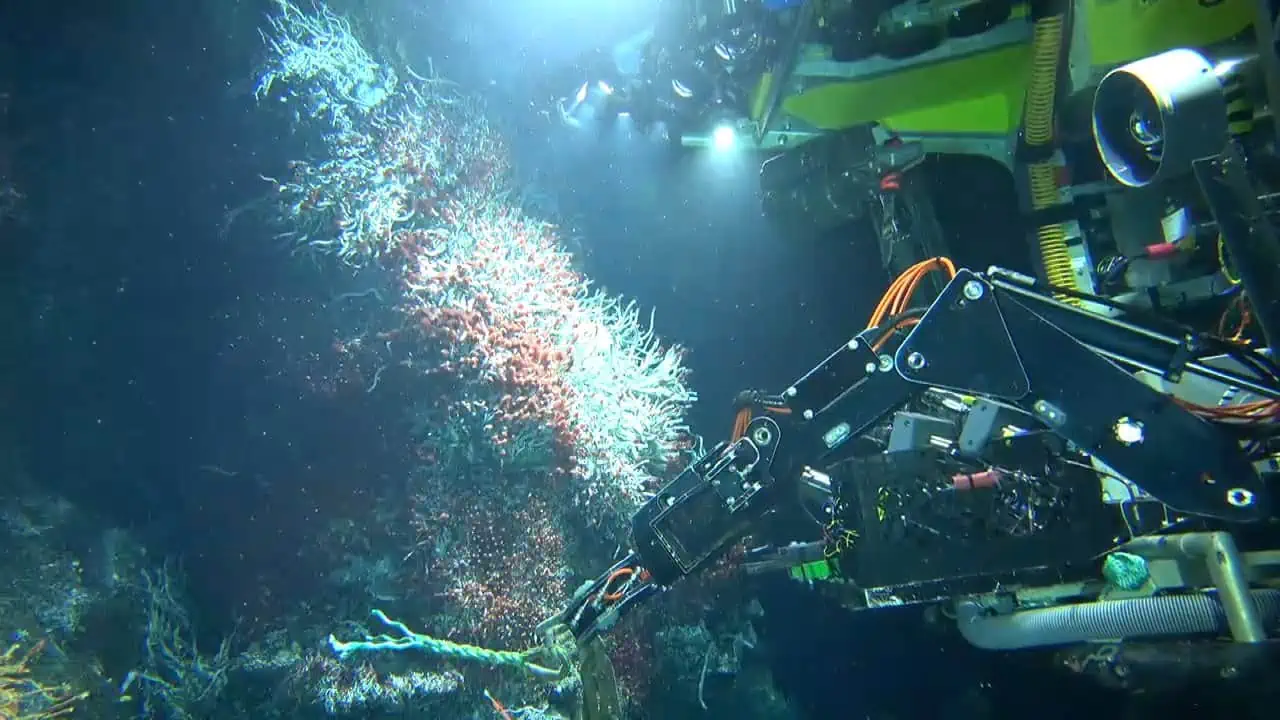


The Earth’s oceans, covering over 70% of its surface, remain largely uncharted, with more then 80% still waiting to be explored. SubC Imaging is at the forefront of changing this narrative, enhancing our ability to engage with these mysterious waters. Read more >>
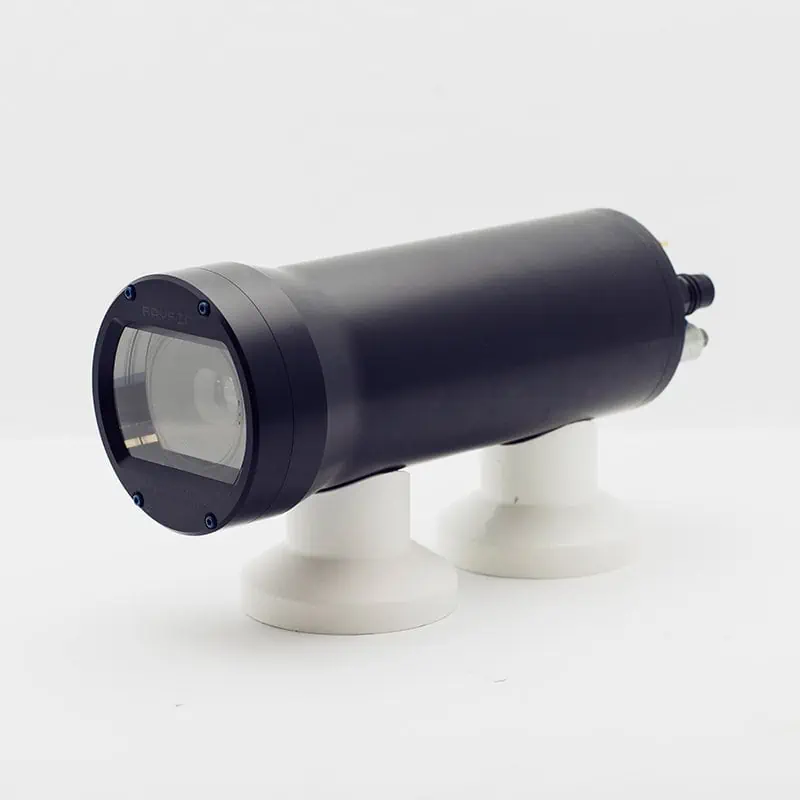
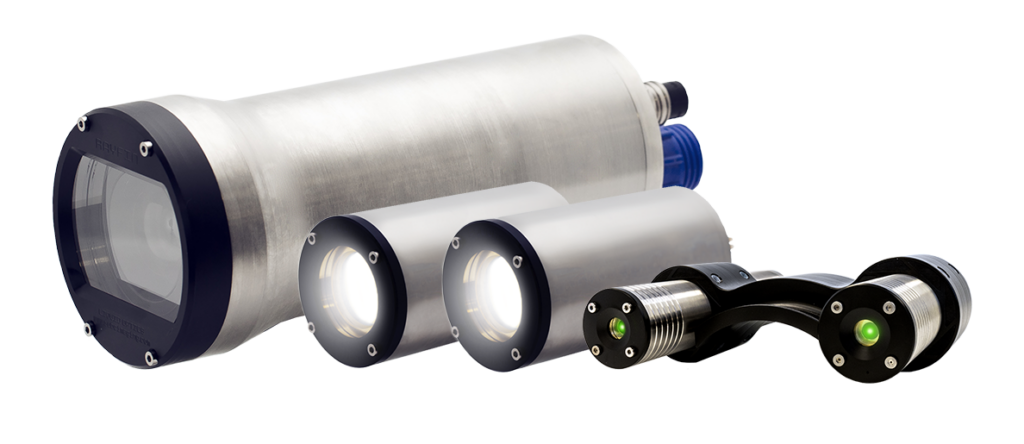
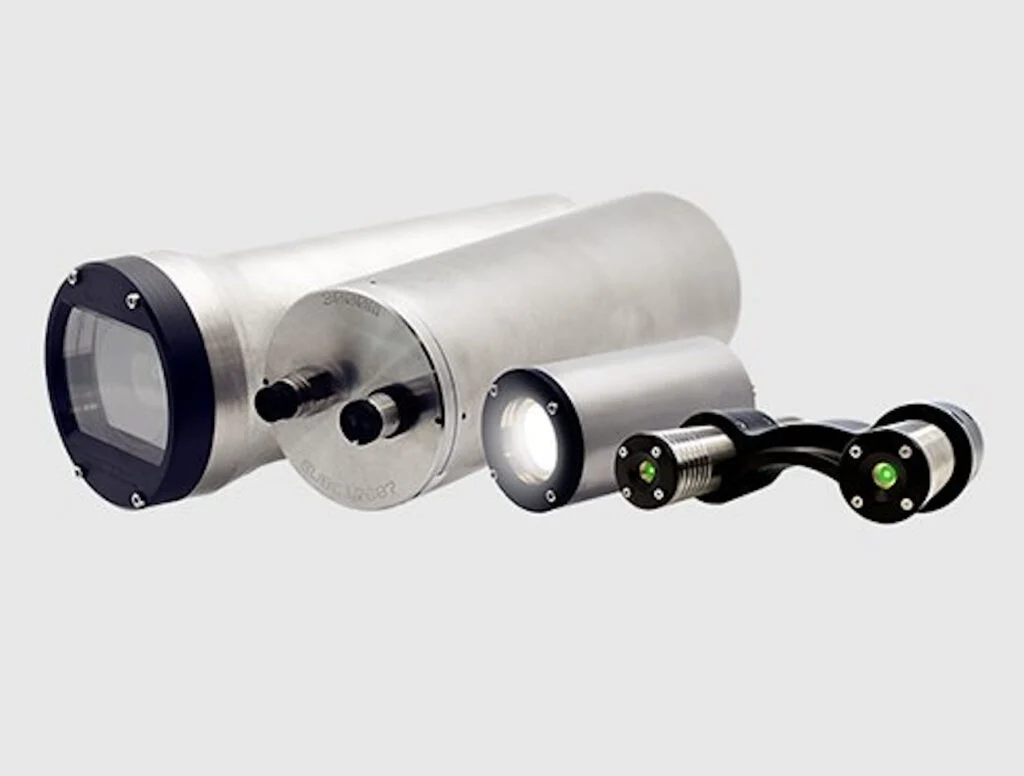
Utilizing state-of-the-art cameras, underwater lighting, lasers, and sophisticated software, SubC Imaging is pioneering real-time video streaming that revolutionizes underwater operations.
Adam Rowe, the Vice President of Software at SubC Imaging, stated, “Our expertise in ocean exploration tools drives us to seek innovative ways to gather oceanic data. We are committed to continuous betterment and challenging the status quo.”
“We create and refine tools based on user feedback, ensuring that SubC Imaging leads the charge in underwater video technology. Our goal is to provide clients with user-pleasant tools that yield remarkable data.”
The advancements made by SubC Imaging enable various industries to gather, analyze, and apply underwater data in real time.This capability is transformative for remote missions, allowing immediate responses to challenges while prioritizing safety, efficiency, and cost-effectiveness.
Advancements in Underwater Video Technology
Since the inception of subsea video technology in the 1940s, underwater imaging has played a crucial role in various oceanic sectors.
Currently, it serves as a essential component of research efforts like the European Union’s Marine Strategic Framework Directive (MSFD). However, many existing systems still depend on outdated techniques, which restrict the quality and immediacy of the data gathered.
For over a decade, SubC Imaging has been addressing these limitations by developing high-quality imaging systems that meet contemporary needs. Their advanced deep-sea cameras and real-time software deliver thorough, reliable data for researchers, engineers, and marine operators alike.
the Importance of Real-Time streaming
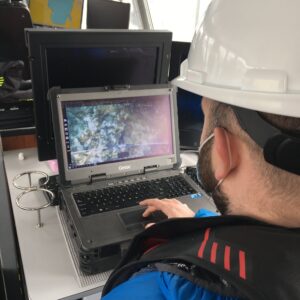
Despite technological advancements, conventional underwater operations often rely on manned vessels for equipment deployment and management. This method is not only expensive but also resource-heavy and less efficient compared to autonomous solutions.
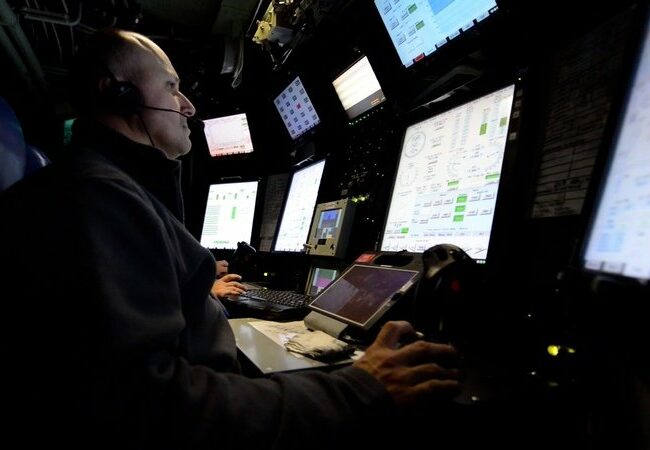
Real-time streaming is changing this landscape by facilitating instant data transmission from autonomous surface vessels (ASVs) and remotely operated vehicles (ROVs). This transition not only cuts down on deployment expenses but also improves decision-making processes.
Challenges such as equipment malfunctions, environmental concerns, and improper installations can now be detected and resolved in real time, reducing potential losses and enhancing results.
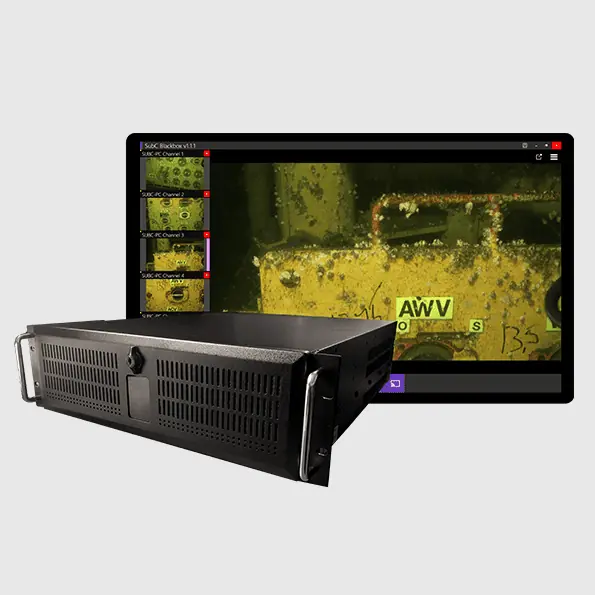
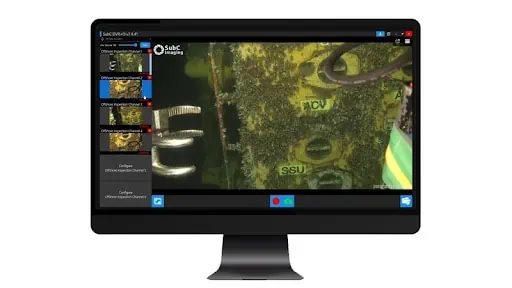
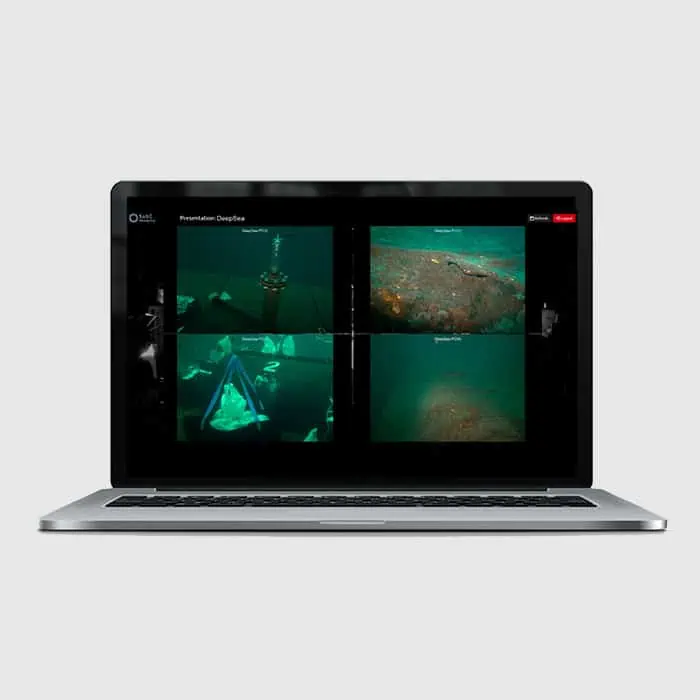
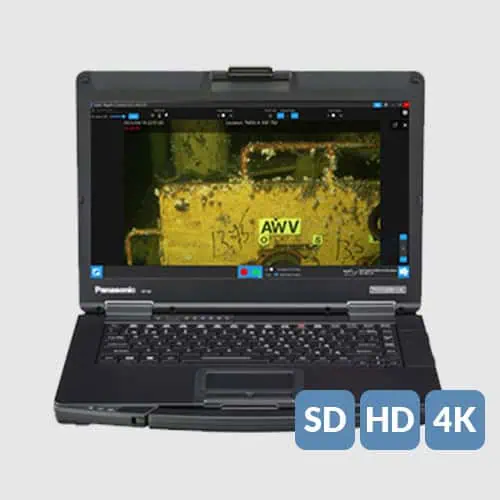
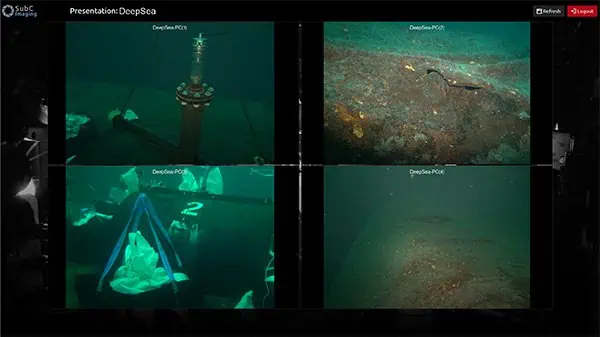
SubC Imaging’s Real-Time Streaming software exemplifies this evolution.Built with user input in mind, the platform provides HD video streaming to multiple locations concurrently. With adjustable bandwidth, it functions over various connection types, from high-speed satellite links to low-bandwidth networks, ensuring global accessibility.
Demonstrated Success in the Field
Scott Doucet, Supervisor of the Fugro Remote Operations Center for the Americas, remarked, “Initially, there was skepticism among the vessel crew about the solution’s effectiveness; however, we proved them wrong. the video streaming performed excellently! We successfully provided both audio and video feeds to the divers through the SubC software.”
“This enabled both the archaeologists and the client on the beach, and also the dive supervisor offshore, to see and hear the diver’s feed. Furthermore, it facilitated an audio presentation that allowed for real-time discussions about the operations in a highly efficient manner.”
The software’s user-friendly setup and dependable performance have made it an essential tool for remote operations, fostering seamless collaboration among teams in diffrent locations.
Shaping the Future of Remote Ocean Operations
Real-Time Streaming technology allows teams to access live video feeds for prompt decision-making, considerably reducing environmental impact and enhancing crew safety. By integrating with autonomous vehicles, this solution promotes more sustainable operations while cutting costs.
Uncrewed systems equipped with subc Imaging technology present clear benefits:
-
Cost Savings: Decreased reliance on large, crewed vessels leads to significant budget reductions, allowing for resource allocation to additional projects.
-
Enhanced Safety: Remote operations lower the risk to personnel while maintaining operational effectiveness.
-
Environmental Duty: Autonomous deployments are less intrusive, utilizing less fuel and minimizing the ecological impact of missions.
Diverse Applications Across Sectors
SubC Imaging’s solutions are revolutionizing industries that depend on underwater data.From aquaculture to oil and gas, their Real-Time Streaming software supports a variety of applications:
-
Marine Renewable energy: Monitor turbines and other infrastructure with live data for proactive maintenance.
-
Ocean Science: conduct real-time observations and data collection to enhance understanding of marine ecosystems.
-
Oil and Gas: Perform pipeline and infrastructure inspections remotely, ensuring compliance and safety.
Addressing Challenges in Remote Operations
As ocean industries move towards increased automation, real-time data delivery tackles the challenges posed by traditional deployments. However, success hinges on robust cybersecurity measures, regulatory compliance, and adequate training.
-
Cybersecurity: SubC Imaging’s systems utilize AES encryption and secure logins to ensure data integrity and confidentiality.
-
Regulatory Compliance: The software adheres to international standards, promoting ethical and lawful operations.
-
Training: SubC Imaging offers hands-on support to guarantee seamless integration into existing workflows.
The demand for real-time data is on the rise, fueled by the growing adoption of autonomous and remote systems. SubC Imaging’s Real-Time Streaming software stands at the forefront of this conversion,delivering high-quality video data even in the most challenging environments.
By facilitating collaborative decision-making and reducing operational costs, SubC Imaging is not only addressing the needs of today’s industries but also setting the benchmark for the future of ocean exploration.
Explore the original article or visit the SubC Imaging website for more data.