

In this article,Triad explores the applications of MANET and highlights its advantages over other technologies in enhancing data communication,connectivity,situational awareness,and operational capabilities in A2/AD environments.
The military stands as one of the primary adopters of Mobile Ad Hoc Networks (MANET). Engaged in diverse missions, often under hostile conditions, branches such as the Army, Navy, Marines, Air Force, and coast Guard require a robust data network linking personnel, vehicles, ships, aircraft, and command centers. This network must be resilient against hacking, jamming, and enemy targeting. The increasing demand for data transfer over vast distances and among numerous endpoints complicates the integration of transceivers,amplifiers,and antenna systems.
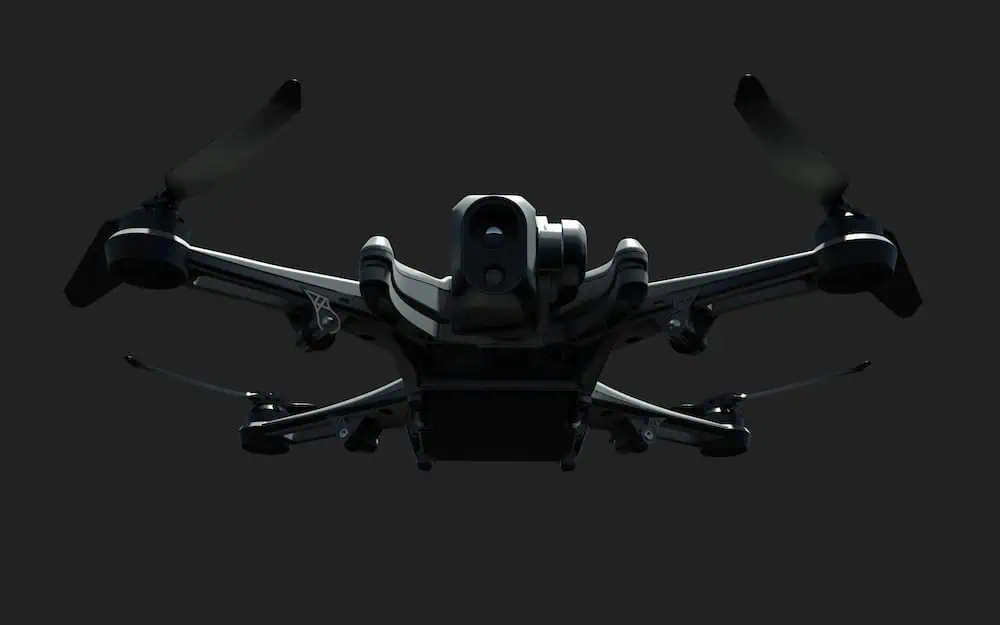
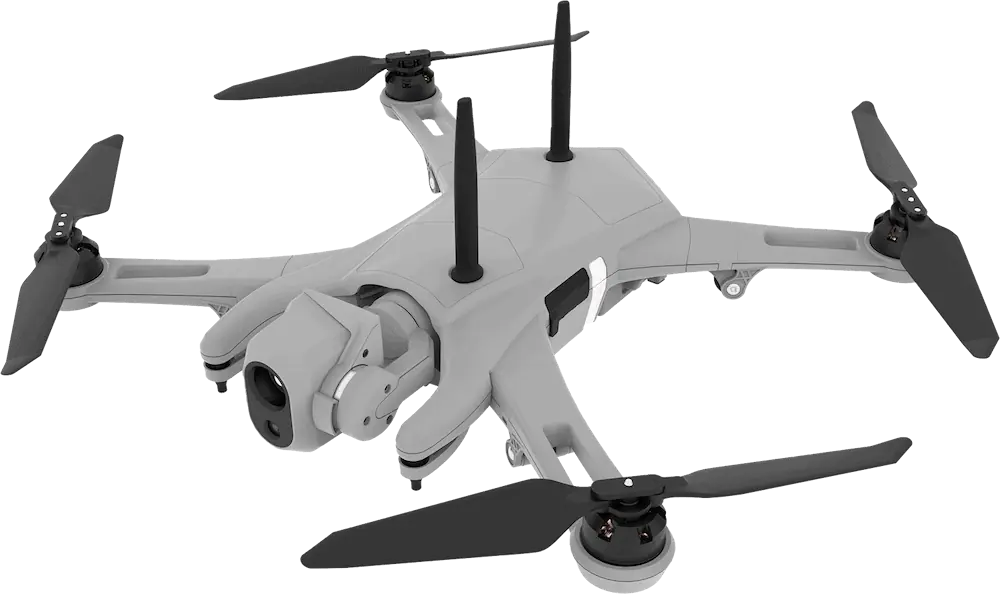
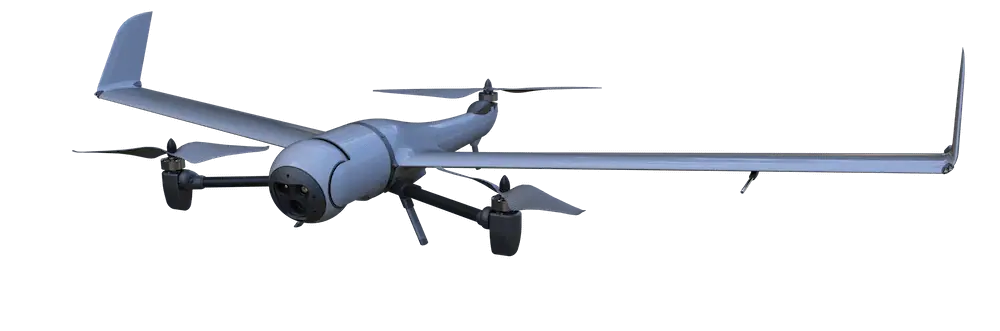
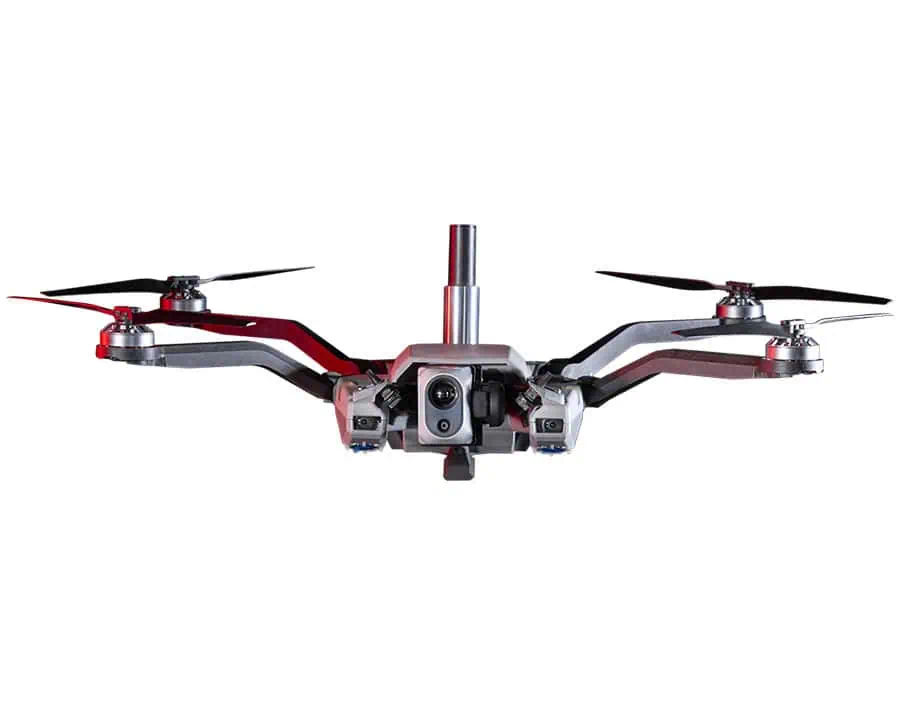
Unmanned systems leveraging MANET technology have emerged as a strategic approach to counter adversaries. These autonomous, high-capacity platforms can function independently in anti-access/area-denial (A2/AD) scenarios, seamlessly adding or removing network members, thus facilitating data transfer in challenging environments.
Prior to the advent of MANET, existing communication technologies for off-site or off-platform systems fell short in three critical areas:
- Capacity to manage high-volume data
- Ability to operate autonomously
- Capability for self-forming and self-healing networks
Let’s delve into these existing technologies, ultimately leading to the conclusion that MANET, notably in conjunction with MIMO, offers superior performance.
High-Frequency (HF) Radio Technology
While HF radio technology can cover extensive distances, it demands critically important power, can be unreliable under certain weather conditions, and suffers from limited bandwidth.
Very High Frequency (VHF) and Ultra High Frequency (UHF) Radio
Tactical VHF/UHF radios utilize line-of-sight links for immediate voice and data transmission. Although they meet high-capacity requirements, their reliance on complex configurations and control nodes prevents true autonomous network formation and healing.
Satellite communications (SATCOM)
SATCOM provides reliable long-distance communication from virtually any mission location and boasts increased bandwidth capacity, even though it struggles to keep pace with rising demand.
However, SATCOM systems can be prohibitively expensive and complex, often necessitating large dish antennas that occupy valuable space in crowded environments. Furthermore, SATCOM remains a prime target for near-peer adversaries and faces challenges in autonomous operation and self-forming networks, requiring intricate negotiation and timing systems.
Tactical Data Links
Tactical data links address many of these needs with various types and applications designed for high-capacity data transfer.They typically operate in point-to-point or point-to-multipoint configurations with a fixed network topology and user list. However, few tactical data link technologies can function independently and in an ad-hoc manner in military contexts.
Introducing: MANET & MIMO/MANET
Mobile Ad Hoc Networks (MANET) consist of mobile devices such as laptops, smartphones, radios, or sensors that communicate wirelessly, providing essential network functionality without a fixed infrastructure. These networks can adapt to changing locations and reconfigure themselves dynamically. MANETs can be limited to a local group of devices or connected to the Internet, enabling information exchange regardless of geographic constraints or infrastructure remoteness.
MIMO (Multiple-Input Multiple-Output) technology enhances wireless communication by utilizing multiple transmitters and receivers to transmit more data simultaneously. When integrated into a tactical MANET, MIMO significantly boosts data communication, connectivity, and situational awareness. Coupled with the self-forming and self-healing capabilities of MANET,MIMO/MANET systems are exceptionally well-suited for A2/AD environments.
Currently, MIMO/MANET technology represents the moast advanced solution available, excelling in high-capacity data transfer, autonomous operation, and self-forming and self-healing networks.
Broader Applications
Beyond military use, MIMO/MANET technology has greatly enhanced communication in remote or hostile settings where fixed infrastructure is unavailable. Applications span commercial sectors, such as emergency response and disaster relief, as well as law enforcement, computer data networks, and sensor networks for monitoring various environmental factors like vibration, temperature, pressure, toxins, and pollution.
triad RF Systems provides a range of THPR High Power Radio Systems,incorporating the Silvus Streamcaster SC4200 and SC4400,the DTC SOLO8,and the Microhard 2×2 MIMO pMDDL,among others. These fully integrated high-power systems support UHF, L, S, and C bands, delivering output power levels of up to 100W per channel.
Naval operations occur in dynamic environments that necessitate diverse communication links or off-ship bearers to relay information to and from maritime assets.As the volume of data transferred over longer distances increases, the complexity of managing transceivers, amplifiers, and antennas also rises. Additionally, near-peer adversaries continuously seek to disrupt maritime communications, prompting significant advancements in MANET radio technology.
For further insights, download our Tech brief: Keys to Prosperous naval Defense Using MIMO/MANET Radio System Deployments>