


BAE Systems Achieves Milestone with PHASA-35 Stratospheric Flight
Engineers from the UK have marked a significant achievement by successfully conducting a stratospheric flight test of the High Altitude Pseudo Satellite (HAPS) uncrewed Aerial System (UAS), known as PHASA-35.
Flight Details and Performance Assessment
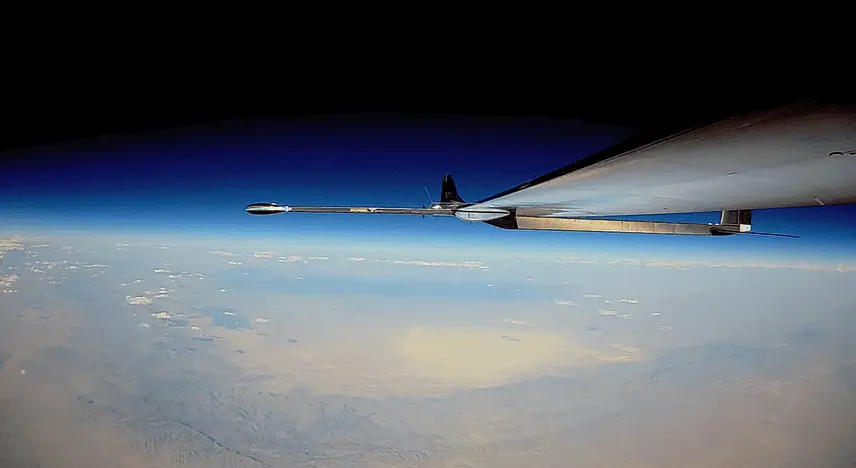
During a 24-hour mission, PHASA-35 ascended to an impressive altitude of over 66,000 feet, reaching the stratosphere before executing a safe landing. This trial, held in New Mexico, provided engineers with valuable insights into the performance of this innovative solar-powered drone in the upper layers of the atmosphere.
Technological Innovations Behind PHASA-35
With a wingspan of 35 meters and a payload capacity of 15 kilograms, PHASA-35 incorporates cutting-edge technologies such as advanced composite materials, refined energy management systems, solar electric cells, and photovoltaic arrays. These features enable the drone to harness solar energy during daylight hours, which is then stored in rechargeable batteries to sustain flight through the night.
Applications and Future Potential
This flight represents a pivotal moment in the development of PHASA-35, which has been in progress sence 2018. Designed by Prismatic ltd, a subsidiary of BAE Systems, the drone is intended to operate above weather disturbances and conventional air traffic. Its capabilities could serve a variety of purposes, including long-duration intelligence, surveillance, reconnaissance, and security operations.
Moreover, PHASA-35 holds promise for enhancing communication networks, potentially supporting 4G and 5G services. Its versatility extends to applications in disaster response and border security,offering an option to conventional aerial and satellite systems.
Innovative Research and Development at FalconWorks™
The PHASA-35 initiative is part of FalconWorks™,a newly established centre within BAE Systems’ Air sector dedicated to advanced and agile research and development. This center aims to deliver a range of innovative combat air capabilities for the UK and its allies.
Future Trials and Development Plans
This successful flight is the first in a series of planned trials designed to evaluate system performance, support ongoing development, and validate testing parameters, paving the way for PHASA-35’s entry into both defense and commercial markets globally.
Statements from Leadership
Dave Corfield, CEO of prismatic Ltd, expressed enthusiasm about the achievement, stating, “This is a remarkable milestone for everyone involved and highlights BAE Systems’ commitment to investing in new technologies and markets. The first stratospheric flight of PHASA-35 indicates that this vehicle is poised to become the preferred solution for long-endurance, high-altitude, and communication applications in the future.”
Cliff Robson, Group Managing Director for BAE Systems’ Air Sector, added, “PHASA-35 is pioneering new frontiers, unlocking the stratosphere for innovative possibilities. The collaboration of our global team,combined with advanced solar and power management technologies,showcases our dedication and ambition in overcoming the challenges associated with novel technologies.”
Test Flight Coordination and Support
The recent trials were conducted at Spaceport America in New Mexico, utilizing the White Sands Missile range, and were sponsored by the US Army Space and Missile Defense Command Technical Center. The test flight was coordinated with support from personnel at the Naval Surface Warfare Center, Port Hueneme Division, Detachment White Sands.
Explore suppliers and manufacturers of Long Endurance UAS >>